Can magic mushrooms cause schizophrenia

Can Magic Mushrooms Cause Schizophrenia?

Can Magic Mushrooms Cause Schizophrenia?

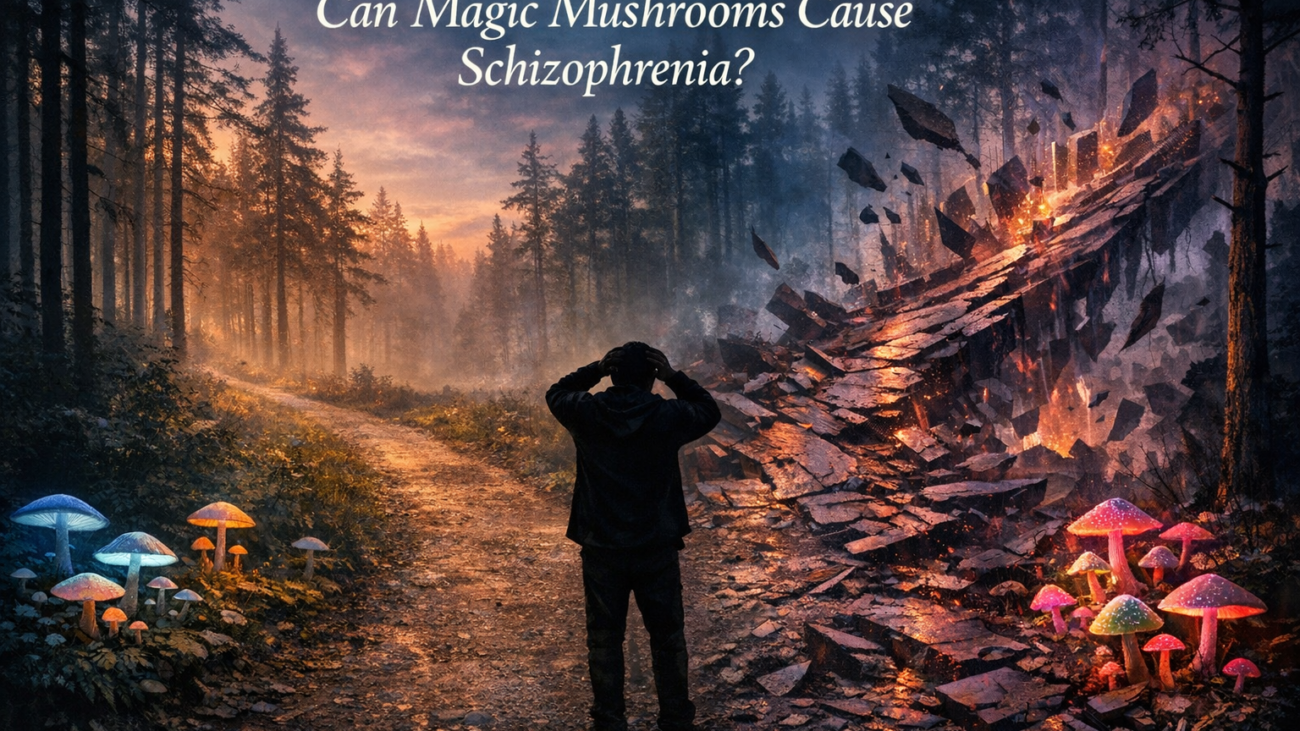
Many people wonder, can magic mushrooms cause schizophrenia? Magic mushrooms, mainly containing the psychedelic compound psilocybin, are gaining popularity for both recreational use and potential therapeutic benefits. However, there is growing concern about whether these substances might trigger or worsen schizophrenia, especially in vulnerable individuals.

What Are Magic Mushrooms and How Do They Affect the Brain?

Magic mushrooms contain psilocybin, which the body converts into psilocin. This compound primarily acts on serotonin 5-HT2A receptors in the brain, altering perception, mood, and cognition. Users often experience visual distortions, changes in time perception, and emotional shifts. These effects differ from the symptoms of schizophrenia but can sometimes mimic psychosis-like states.

Hallucinogens like psilocybin cause mostly visual pseudo-hallucinations where the user maintains insight that these experiences are not real, whereas schizophrenia typically involves auditory hallucinations and a loss of reality testing.

Research Linking Magic Mushrooms to Psychosis and Schizophrenia

A large population-based study from Ontario, Canada, examined over 9 million people aged 14–65 between 2008 and 2021. It found that individuals who visited emergency departments for hallucinogen-related incidents, including psilocybin use, had a substantially increased risk of being diagnosed with schizophrenia within three years. About 4% of these individuals developed schizophrenia, compared to 0.15% in the general population—representing a 21-fold increase in risk.

Even after adjusting for other substance use and mental health conditions, the risk remained 3.5 times higher. These findings suggest an association but do not establish a direct causal link because other factors, such as an underlying predisposition to psychosis, may explain the increased risk.

Who Is Most at Risk?

  • People with Personal or Family History of Psychosis: Clinical trials on psilocybin for depression or anxiety routinely exclude individuals with schizophrenia or a family history of it, as they are more vulnerable to adverse reactions.
  • Heavy or Repeated Use: Case reports document psychosis after high doses or frequent use of psilocybin, often beyond therapeutic levels.
  • Co-occurring Substance Use: Chronic cannabis use has been linked as a factor increasing the risk of psychosis when combined with hallucinogens.
  • Underlying Mental Health Conditions: Personality disorders, depression, and prodromal symptoms may increase susceptibility.

What Does Psilocybin-Induced Psychosis Look Like?

Psilocybin can occasionally trigger symptoms including hallucinations, delusions, paranoia, and disorganized thinking. Some individuals have experienced prolonged psychotic episodes lasting days or weeks, sometimes with catatonia or severe mood disturbance. These episodes often occur after high doses and in those with previous mental health challenges.

However, psilocybin’s hallucinogenic effects typically differ from schizophrenia in duration, symptom type, and insight level. Psilocybin experiences usually resolve as the drug’s effects wear off, while schizophrenia is a chronic condition that requires long-term management.

Understanding the Brain Mechanisms

Both schizophrenia and psilocybin-induced states involve the serotonin system, especially the 5-HT2A receptor. Classic antipsychotics block these receptors, reducing both schizophrenia symptoms and hallucinogen effects. The dopamine system also plays a critical role in schizophrenia. These overlapping pathways explain why psilocybin can mimic some psychotic symptoms but do not mean it directly causes schizophrenia in healthy individuals.

Implications for Psychedelic-Assisted Therapy

Growing therapeutic interest in psilocybin requires caution. Controlled studies exclude high-risk individuals and closely monitor participants to minimize adverse reactions. Screening to identify those with risk factors is essential. Harm reduction approaches also encourage educating people about the risks of high doses, frequent use, and combinations with other substances like cannabis.

For those interested in growing magic mushrooms or using them recreationally, understanding mental health risks is crucial to making safer choices.

Key Takeaways

  • Magic mushrooms can produce transient hallucinations but do not directly cause schizophrenia in most users.
  • There is increased risk of psychosis and schizophrenia diagnosis in those with emergency hallucinogen-related health crises, likely due to underlying vulnerabilities.
  • Heavy, repeated use and coexisting mental health or substance issues greatly increase the chance of adverse psychiatric outcomes.
  • Ongoing research is needed to clarify long-term risks and improve screening for psychedelic therapies.

If you want to learn more about safe consumption or concerns about health effects, including “are magic mushrooms bad for your liver?,” reliable resources can provide balanced information.

References and Further Reading

Can magic mushrooms cause schizophrenia

Are magic mushrooms bad for your liver

Are Magic Mushrooms Bad for Your Liver?

Are Magic Mushrooms Bad for Your Liver?

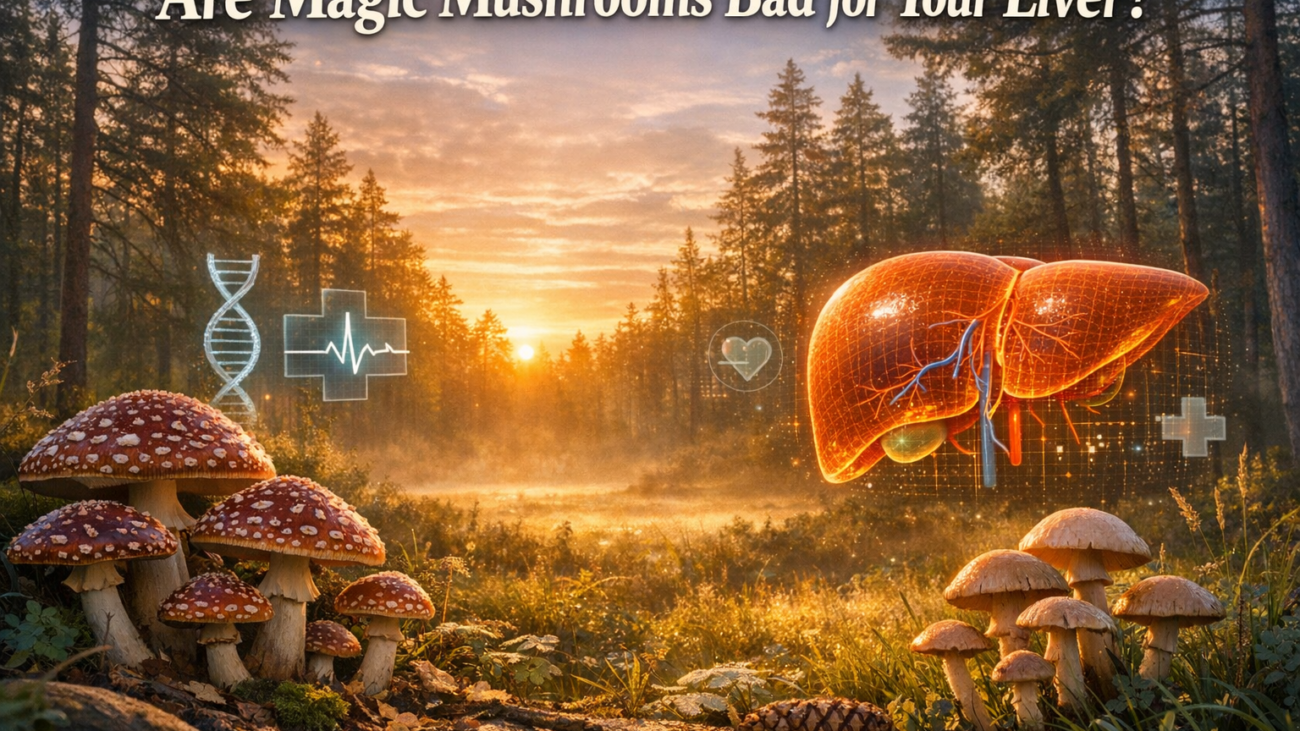
Many people wonder, are magic mushrooms bad for your liver? This is a common concern, especially given that the liver processes many substances we ingest. Magic mushrooms, which contain the psychoactive compound psilocybin, have gained popularity both recreationally and in clinical research. Understanding their impact on liver health is important for anyone interested in shrooms, whether for microdosing or psychedelic experiences.

Understanding Psilocybin and Liver Function

Psilocybin is the primary active chemical in magic mushrooms, converted in the body to psilocin, which interacts mainly with serotonin receptors in the brain. Unlike many toxic substances, psilocybin is not known to be hepatotoxic (harmful to the liver). Scientific studies, including recent animal research, suggest that psilocybin does not cause significant liver damage or disrupt liver function in normal use.

Mushroom Toxicity and Liver Risks

It’s important to distinguish magic mushrooms from other types of mushrooms that can cause severe liver damage. Some wild mushrooms contain amatoxins, potent toxins that can lead to acute liver failure. These mushrooms belong to genera such as Amanita, Galerina, and Lepiota. Accidental ingestion of these hepatotoxic mushrooms can be fatal.

However, psychedelic magic mushrooms, including those commonly known as magic psilocybin mushrooms, do not contain these liver toxins. Reports of mushroom-related liver injury are almost exclusively related to toxic, mistaken mushroom consumption rather than psilocybin.

What Research Reveals About Psilocybin and Liver Health

A recent mouse study examined psilocybin’s effects on liver inflammation triggered by lipopolysaccharide (LPS), a compound that induces an immune response. Interestingly, researchers found that psilocybin actually reduced inflammatory markers in the liver, such as TNF-α and IL-6, which are associated with liver injury.

This anti-inflammatory effect suggests that psilocybin may have some protective qualities against liver inflammation, although these findings are preliminary and focused on acute inflammatory models. The study also showed no significant changes in typical liver damage markers like ALT or AST enzymes after psilocybin treatment.

Considerations When Using Magic Mushrooms

  • Source matters: Always obtain magic mushrooms from a reliable source. Consuming wild mushrooms without positive identification risks toxicity and liver damage.
  • Dosage and frequency: Microdosing magic mushrooms involves very small amounts unlikely to stress the liver, but regular or heavy use should be approached cautiously.
  • Underlying liver conditions: People with pre-existing liver disease should consult a healthcare professional before using psilocybin, as individual responses may vary.
  • Legal and health risks: Psilocybin remains a Schedule I substance in many places, and spores for growing magic mushrooms are regulated; misuse carries both legal and health risks.

Mushroom Safety and Liver Health

Public health authorities emphasize caution around mushroom ingestion due to risks of mistaking toxic species for safe ones. The Utah Poison Control Center has issued alerts related to amatoxin poisoning, though confirmed cases involving psilocybin mushrooms causing liver failure are unheard of. If you or someone else experiences symptoms like nausea, vomiting, or jaundice after mushroom consumption, contact poison control immediately.

Additional Resources

For advice on psychedelic mushroom legality and safe use, you may find this guide on Are magic mushrooms legal in New York helpful.

Those interested in the broader context of psychoactive substances can check out puff boyz vape dmt for related products and information.

Summary

In summary, are magic mushrooms bad for your liver? The available evidence suggests no direct hepatotoxic effects from psilocybin when consumed responsibly. Instead, psilocybin may even reduce liver inflammation in certain contexts. The bigger risk lies in misidentifying toxic wild mushrooms or consuming substances contaminated with harmful compounds.

Staying informed, sourcing mushrooms carefully, and consulting healthcare providers when in doubt are your best defenses for protecting liver health while using magic mushrooms.

Are magic mushrooms bad for your liver

Are magic mushrooms legal in New York

Are Magic Mushrooms Legal in New York?

Are Magic Mushrooms Legal in New York?

If you’ve been wondering, are magic mushrooms legal in New York, the short answer is no. Psilocybin mushrooms—commonly known as magic mushrooms or shrooms—remain illegal under both federal and New York State law. These mushrooms contain psilocybin, a psychoactive compound classified as a Schedule I controlled substance. This means they are considered to have no accepted medical use and a high potential for abuse.

Current Legal Status of Magic Mushrooms in New York

Under New York Penal Law, possessing, selling, or cultivating psilocybin mushrooms is illegal. The law treats psilocybin similarly to other controlled substances like heroin or cocaine. There are hefty penalties for possession and distribution, and no legal exceptions for medical or recreational use, including microdosing.

  • Possession: Simply having magic mushrooms—even a small amount—is a criminal offense.
  • Selling or distributing: Selling or intent to sell magic mushrooms leads to more severe felony charges.
  • Cultivation: Growing magic mushrooms is treated like manufacturing a controlled substance and carries serious felony penalties.

Understanding Possession Charges

New York categorizes possession offenses by the amount of psilocybin or mushrooms involved:

  • 7th Degree Possession (Class A misdemeanor): Less than 25 milligrams. This offense can lead to up to 1 year in jail, fines, and probation.
  • 4th Degree Possession (Class C felony): 25 milligrams or more, with penalties up to 15 years in prison.
  • 3rd Degree Possession (Class B felony): 125 milligrams or more, punishable by up to 25 years in prison.
  • 2nd Degree Possession (Class A-II felony): 625 milligrams or more, potentially resulting in life imprisonment.

Prosecutors must also prove that you knowingly possessed the mushrooms, which means awareness of the drug’s presence. Given the strict penalties, hiring experienced legal counsel is important if you face such charges.

Penalties for Selling and Distribution

Sale or intent to sell magic mushrooms in New York carries even harsher consequences. The severity depends on the quantity involved and where the sale takes place:

  • 5th Degree Sale (Class D felony): Sale of mushrooms weighing less than 25 mg. Penalties can reach seven years in prison.
  • 3rd Degree Sale (Class B felony): Sale involving 25 mg or more, with potential sentences up to 25 years.
  • 2nd Degree Sale (Class A-II felony): Sale of 125 mg or more, with possible life imprisonment.
  • Enhanced Penalties: Selling near school zones or to minors results in additional charges and longer sentences.

Magic Mushroom Spores and Growing Mushrooms

While psilocybin mushrooms are illegal, the spores themselves occupy a legal gray area in New York. Spores do not contain psilocybin and therefore are not explicitly banned. However, once spores are germinated and begin producing psilocybin-containing mycelium, this activity is considered manufacturing a controlled substance, which is a felony.

This distinction means that possessing spores may be legal, but cultivating or growing magic mushrooms is not tolerated by law enforcement.

Microdosing and Legal Risks in New York

Some people use microdoses of psilocybin for potential mental health benefits, but in New York, the law makes no exceptions for microdosing magic mushrooms. Any amount of psilocybin—no matter how small—can result in criminal charges, making microdosing illegal.

How New York Compares to Other States

New York’s approach to psilocybin remains one of prohibition and strict enforcement. In contrast, states like Oregon and Colorado have moved toward decriminalization or regulated use, allowing supervised therapeutic access or decriminalizing small amounts.

These emerging legal landscapes elsewhere have sparked significant discussion, but as of now, New York has not passed any laws to decriminalize, legalize, or provide medical access to psilocybin.

Legal Defenses and Resources

If you face charges related to magic mushrooms, there may be defenses based on procedural issues such as illegal search or lack of knowledge of possession. New York also has drug treatment courts that provide alternatives to incarceration, focusing on rehabilitation.

It’s essential to consult an attorney familiar with psilocybin NY law to understand your options and the potential consequences.

Additional Information

For more on the effects and risks of psilocybin, check out resources like Are magic mushrooms bad for your brain. If you’re interested in products related to magic mushrooms, magic mushroom vape options offer another way enthusiasts approach the substance, although all remain illegal in New York.

For broader information about psychedelics and related products, visit puff boyz.

Are magic mushrooms legal in New York

Can I vape freebase DMT

Can You Vape Freebase DMT? What Matters

Can I Vape Freebase DMT? The Short Answer

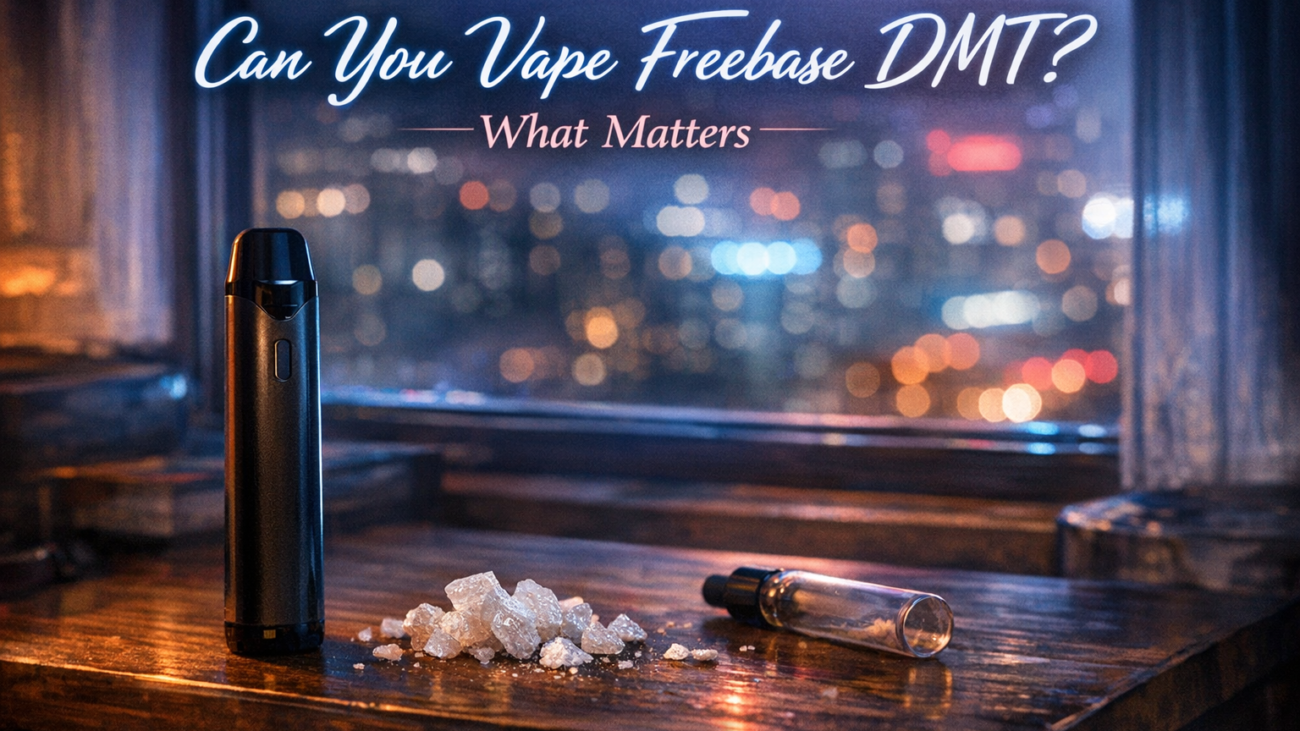
People usually ask “Can I vape freebase DMT?” after hearing about DMT vape pens or watching someone smoke crystalline DMT. Technically, freebase DMT can be vaporized and inhaled, but that doesn’t mean it is safe, legal, or predictable. Understanding the chemistry, methods, and risks is essential before anyone goes near it.

Freebase DMT vs Other Forms

To understand freebase DMT vaping, you first need to know what “freebase” means compared with other DMT forms.

What Is Freebase DMT?

Freebase DMT is the non-salt, non-ionized form of N,N-dimethyltryptamine. It is usually found as crystals or powder that are:

  • White to yellow, sometimes orange if impure
  • Waxy, sandy, or crystalline in texture
  • Extremely bitter and harsh when heated or tasted

This form vaporizes and burns at relatively low temperatures, which is why it is used for smoking or vaporizing. It is not typically used for oral dosing, because DMT is rapidly broken down in the gut and liver by monoamine oxidase (MAO) unless combined with MAO inhibitors, as in ayahuasca.

Other Common DMT Forms

Besides freebase DMT, there are other ways DMT appears:

  • DMT salt forms (like DMT fumarate): more stable and water-soluble, used in research injections or sometimes for oral mixes.
  • Ayahuasca and similar brews: plant-based teas containing DMT plus natural MAO inhibitors from vines like Banisteriopsis caapi.
  • DMT vape liquids: solutions where freebase DMT is dissolved into a carrier (e.g., propylene glycol, vegetable glycerin, or other solvents) to fit into vape cartridges.

Each form has its own pharmacology, duration, and risk profile. Freebase DMT vaping specifically refers to inhaling vapor from crystalline freebase, either with a pipe, special device, or a cartridge-based system.

How Vaporizing Freebase DMT Works

When someone asks “Can I vape freebase DMT?”, they usually mean one of two things: smoking/vaping crystals on a pipe, or using a pre-filled DMT vape pen.

Smoking or “Direct Vaping” Crystalline DMT

Traditional freebase DMT use involves placing crystals in a glass pipe (or similar device) and heating from below until they vaporize. Key points:

  • DMT vaporizes around ~160–180°C (320–356°F), but many people accidentally burn it at much higher temps.
  • Higher heat leads to harsh smoke, destroyed DMT, and potentially toxic byproducts.
  • Inhalation hits very quickly—within seconds—and peak effects usually arrive within 2–5 minutes, fading after 15–30 minutes.

This method gives very rapid, intense psychedelic effects and near-total loss of coordination while peaking, which is why harm-reduction groups emphasize having a sober sitter and a very safe environment.

DMT Vape Pens and Carts

DMT vape pens are small battery-powered devices that look like nicotine or cannabis vapes but contain DMT instead. The cartridge typically contains:

  • Freebase DMT dissolved in a solvent (often PG/VG or other carriers)
  • Sometimes flavorings or other additives

The device heats the liquid to produce vapor at lower temperatures than an open flame. In practice, this can make inhalation smoother and more efficient than a hot pipe, meaning less DMT is lost to burning.

Commercially, these devices are illegal and unregulated in most countries. Some online vendors, such as those offering products like a Buy Dmt Vape Pen section, operate in a legal gray or clearly illegal market. Quality, dose, and contents cannot be verified independently without lab testing.

What Freebase DMT Vaping Feels Like

Research on smoked or inhaled DMT shows a very fast, short-acting psychedelic state. Reports of freebase DMT vaping describe similar features:

Onset, Peak, and Duration

  • Onset: 10–60 seconds after inhalation
  • Peak: around 2–5 minutes
  • Main effects resolved: 15–30 minutes, with afterglow or residual changes up to an hour

Common Psychological Effects

  • Intense visual changes (patterns, colors, environments)
  • Distortion of time, body, and sense of self
  • Strong emotions, from bliss and awe to terror or confusion
  • Feeling of leaving the body or “breaking through” normal reality

During the peak, many people are unable to speak, coordinate movement, or respond to surroundings. This has obvious safety implications if the setting is not controlled.

Physical Effects and Risks

  • Increased heart rate and blood pressure
  • Possible chest pressure, dizziness, or nausea
  • Lung irritation from hot vapor or solvents
  • Rare but serious risks of arrhythmias or seizures, especially in vulnerable people

Cardiovascular and seizure risks are one reason researchers screen out participants with heart disease, uncontrolled hypertension, or seizure history in clinical trials.

Is It Safe to Vape Freebase DMT?

“Can I vape freebase DMT safely?” has no simple yes or no answer, but several concerns show why caution is necessary.

Chemical and Device Risks

Freebase DMT vaping introduces multiple layers of uncertainty:

  • Unknown purity: street DMT may contain plant fats, leftover solvents, or other contaminants.
  • Unclear dose: crystal weight, device efficiency, and inhalation pattern all change how much you actually inhale.
  • Solvent toxicity: some black-market carts use carriers or flavorings that break down into harmful chemicals when heated.
  • Hardware safety: low-quality vape devices can overheat or leach metals.

Unlike research-grade DMT used in clinical work, freebase from informal sources rarely undergoes analytical testing. Sensory checks (smell, look, taste) cannot confirm identity or safety. Drug-checking labs and reagent tests, where available, are far more reliable than guessing.

Psychological and Medical Vulnerabilities

DMT is a powerful agonist at serotonin 5-HT2A receptors, similar to other classical psychedelics. The intensity of freebase DMT vaping can be destabilizing for people with:

  • Personal or family history of psychosis, bipolar disorder, or severe mood disorders
  • Current severe anxiety or trauma-related conditions
  • Cardiovascular disease, uncontrolled high blood pressure, or seizure disorders

There is also a small but real risk of persistent perceptual changes (sometimes called HPPD) or prolonged anxiety after intense psychedelic sessions.

Interactions with Medications and Substances

Combining DMT with other drugs, especially serotonergic medications or stimulants, can increase risk. Examples include:

  • SSRIs, SNRIs, MAOIs, and some other antidepressants
  • MDMA, certain research chemicals, and other tryptamines
  • Cocaine, amphetamines, or strong stimulants

Serotonin syndrome is rarely reported with smoked DMT alone, but mixing psychoactive substances always adds unpredictability.

For more in-depth clinical pharmacology on DMT routes and safety, peer-reviewed reviews in journals such as Frontiers in Neuroscience (NIH-hosted) summarize current scientific knowledge.

Legality of Vaping Freebase DMT

Regardless of the method, N,N-dimethyltryptamine is classified as a controlled substance in many countries.

  • United States: DMT is a Schedule I substance under federal law. Possession of freebase DMT, DMT vape carts, or any DMT pen is illegal.
  • Canada, UK, EU, Australia, New Zealand: DMT is controlled (Schedules/Class A or similar). Penalties vary but can be severe.
  • Local decriminalization: Some US cities and states have decriminalized certain plant psychedelics in small amounts, but that does not legalize extracted DMT crystals or commercially produced vapes, and it does not change federal law.

For legal background, see overviews from organizations such as the U.S. Drug Enforcement Administration and national health agencies.

Harm-Reduction Considerations for Freebase DMT Vaping

This article is educational, not an encouragement to use illegal substances. However, many harm-reduction workers prefer that people who choose to use do so as safely as possible.

If Someone Decides to Vape Freebase DMT Anyway

Common harm-reduction advice includes:

  • Know the substance: Use reagent test kits or lab testing where available. Do not assume something is DMT just from appearance or smell.
  • Start low: Ends are easier to escalate than to reverse. A small inhalation is safer than multiple heavy hits back-to-back.
  • Have a sober sitter: Someone calm, experienced with emergencies, and sober throughout.
  • Safe environment: Comfortable position (usually sitting or lying), away from sharp edges, roads, water, and heights.
  • Health check: People with heart disease, seizure history, or serious mental health conditions should avoid high-intensity psychedelics without medical supervision.
  • Avoid risky combinations: Avoid mixing with alcohol, stimulants, or other psychedelics.

DMT Vape Pens vs DIY Methods

Questions like “Can I use a vape pen for DMT?” come up often because people assume a standard nicotine or cannabis pen can be repurposed. In reality, compatibility depends on the device design, coil type, and solvents used. Articles such as Can I use a vape pen for DMT discuss practical aspects, but none of this removes the legal and health risks.

Vendors advertising brands like puff boyz vape dmt operate outside regulated medical frameworks, and their products are not evaluated by agencies like the FDA. From a safety perspective, unregulated psychoactive vapes carry significant unknowns.

Freebase DMT Vaping vs Other Routes

Research settings use other routes to study DMT because they are more controllable than improvised vaping.

Common Research and Traditional Routes

  • Intravenous or intramuscular injection: allows precise dosing and timing under medical supervision.
  • Oral with MAO inhibitors (ayahuasca or pharmahuasca): longer-lasting, slower onset; used in therapeutic and ceremonial contexts.
  • Insufflation or rectal routes: generally less efficient and more uncomfortable; some controlled reports show limited or no psychedelic effect at certain doses.

These routes show that DMT’s effect profile depends heavily on how it enters the body, not just on the molecule itself.

So, Can You Vape Freebase DMT?

From a purely technical perspective, yes—freebase DMT can be vaporized or used in a DMT vape pen. People do it, and the pharmacology of inhaled DMT is well-documented: fast onset, intense visuals and psychological effects, and a brief but powerful peak.

However, from a safety, legal, and medical standpoint, freebase DMT vaping carries considerable risk:

  • Unregulated products and unknown purity
  • High psychological intensity and loss of motor control
  • Cardiovascular strain and rare but serious complications
  • Criminal penalties in many jurisdictions

Anyone considering it should prioritize accurate information, legal awareness, and harm-reduction principles. For many people, if they are sincerely drawn to DMT work, waiting for or seeking legally sanctioned, medically supervised options may be the safer path than experimenting with black-market freebase DMT vaping.
Can I vape freebase DMT

Can I use a vape pen for DMT

Can I Use a Vape Pen for DMT?

Can I Use a Vape Pen for DMT?

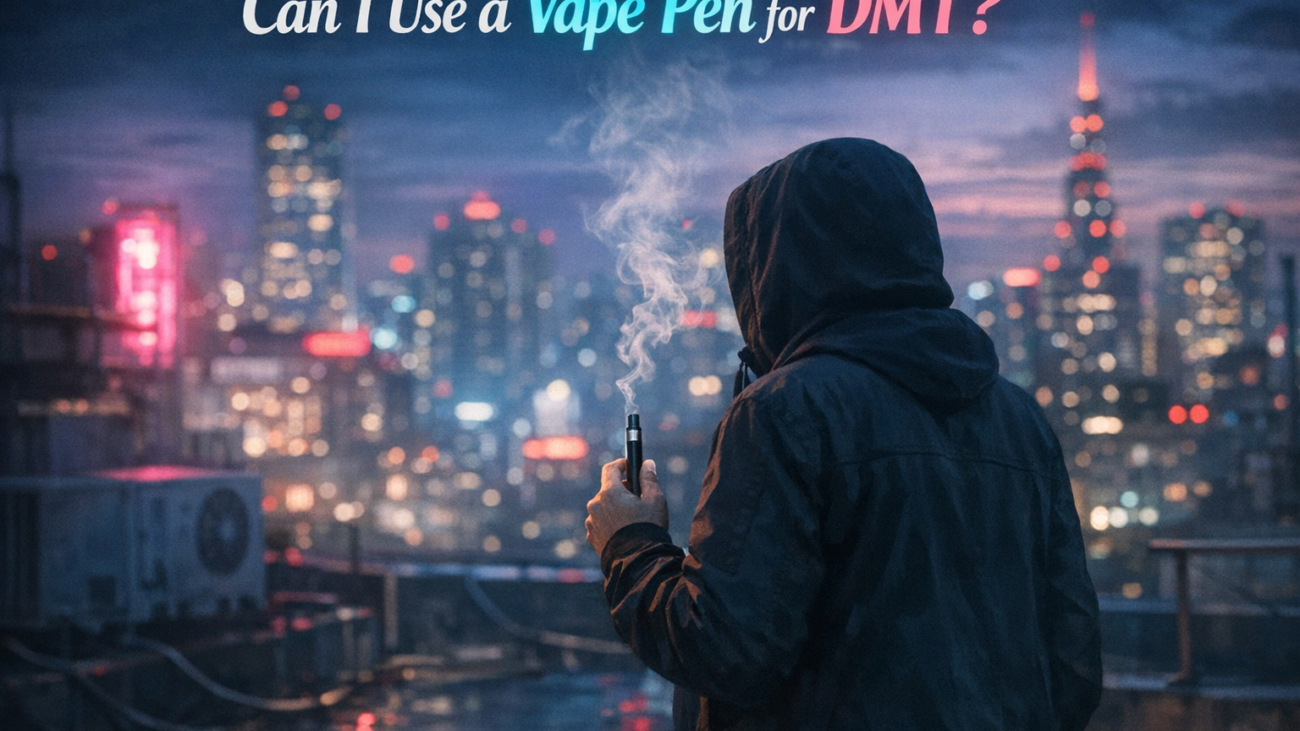
People often ask, “Can I use a vape pen for DMT?” because vape devices seem convenient and discreet. The honest answer is complicated: some devices can physically vaporize DMT, but there are serious safety, health, and legal concerns you need to understand before going anywhere near this idea.

What Is DMT and Why Do People Vape It?

What DMT Is

N,N-Dimethyltryptamine (DMT) is a powerful psychedelic found in some plants, animals, and produced in trace amounts in the human body. It’s known for rapid, intense hallucinations and states of altered consciousness. In the U.S., DMT is a Schedule I controlled substance, meaning it is illegal to make, buy, possess, or use outside approved research.

Traditionally, DMT has been consumed in the form of ayahuasca, a plant-based brew used in ceremonial settings. With modern vaping tech, some people now use devices like puff boyz dmt vape or other Dmt Vape Carts to inhale vaporized DMT instead of smoking the crystal on glass pipes.

Why Vaping DMT Became Popular

People gravitate toward DMT vape carts because they:

  • want fast onset and short duration compared with other psychedelics
  • like the portability and low odor of vape pens
  • find cartridges easier than weighing crystals and learning smoking technique
  • assume “vaping” is gentler or safer than smoking

These perceived benefits often overshadow the real risks, which are significant.

DMT Vape Compatibility: Which Devices Can Physically Work?

When people ask “Can I use a vape pen for DMT?” they usually mean “Can my nicotine or THC pen handle DMT?” Device suitability for DMT depends on how the drug is formulated and how your pen works.

Standard Nicotine or THC Pens

Most off-the-shelf vape pens are designed for:

  • thin nicotine e-liquids, or
  • THC oils and distillates

These are very different from dry DMT crystals. The device’s coil resistance, power output, and wicking material are tuned for specific viscosities. Dumping raw DMT into a standard e-liquid pod or THC cart can:

  • burn or decompose the DMT instead of vaporizing it
  • overheat the coil and produce toxic byproducts
  • leak, clog, or permanently damage the cartridge

Cartridges Specifically Formulated With DMT

Some products are sold as DMT vape carts or prefilled DMT pens. These usually mix DMT with solvents or carriers designed to vape at common temperatures. While this can make the device more compatible, the core issues remain:

  • no quality control in illegal markets
  • unknown potency lot to lot
  • no guarantee of what is really inside the cartridge

Before assuming that branded products are reliable, read objective information such as Do DMT vapes work to understand what users actually report and what limitations they face.

Temperature and Device Suitability for DMT

DMT vaporizes within a relatively narrow temperature range. Too low, and you get weak or no vapor; too high, and the substance can burn and produce harsh smoke instead of clean vapor. In practice:

  • many cheap pens have poor temperature control, leading to inconsistent dosing
  • high-heat hits can be extremely rough on the lungs
  • tuning a pen for DMT often requires more technical knowledge than casual users have

So while some vape hardware can be configured to vaporize DMT, that does not mean it is safe, legal, or wise to try.

What Using a DMT Vape Pen Feels Like

Onset and Duration

Inhaled DMT, whether through a traditional pipe or a vape pen, acts very quickly:

  • onset: 10–30 seconds
  • peak effects: 5–20 minutes
  • overall duration: typically under 60 minutes

This rapid launch leaves almost no time to gauge how strong the trip will be or back out once you realize the dose was too high.

Common Psychological Effects

People often report:

  • intense visual hallucinations (geometric patterns, vivid colors, shifting shapes)
  • distorted sense of time, space, and self
  • feeling separated from the body or entering “other” realms
  • encounters with seemingly autonomous “entities”
  • strong emotions ranging from bliss to terror

The intensity is usually far greater than LSD or psilocybin at common doses. For some, this is fascinating. For others, it is overwhelming and frightening.

Physical and Mental Health Risks of DMT Vaping

Short-Term Physical Effects

Inhaling DMT vapor can cause:

  • rapid heart rate and elevated blood pressure
  • dilated pupils
  • dizziness, nausea, or vomiting
  • loss of coordination and balance
  • chest tightness, coughing, or breathing discomfort
  • in rare cases, seizures, especially with other substances involved

Psychological Risks

From a mental health perspective, DMT can:

  • trigger intense anxiety, panic, or paranoid thinking
  • produce terrifying hallucinations or “bad trips”
  • worsen existing depression, bipolar disorder, or psychosis
  • leave people disoriented and unable to control their behavior

Because the onset is so fast, a bad reaction can feel inescapable and extremely distressing. There is no simple “off switch” once the vapor is inhaled.

Long-Term and After-Effect Concerns

Research on long-term DMT vaping is limited, but data from hallucinogen use in general shows:

  • some users develop flashbacks or Hallucinogen Persisting Perception Disorder (HPPD)
  • visual disturbances (trails, halos, static) may linger
  • pre-existing mental health conditions can worsen over time
  • repeated cardiovascular stress may impact heart health

You can read scientific summaries on psychedelics and mental health from trusted resources like the National Institute of Mental Health or clinical reviews in journals accessible via PubMed.

Legal Status and Testing Considerations

Legal Risks

In many countries, including the United States, DMT is illegal to possess or distribute. Getting caught with DMT crystals, DMT vape carts, or prefilled pens can lead to:

  • arrest and criminal charges
  • fines and possible jail time
  • loss of employment or professional licenses
  • problems with immigration or travel

Drug Testing Windows

Standard workplace tests do not always include DMT, but specialized panels can. Approximate detection times reported in the literature are:

  • blood: up to ~2 hours
  • saliva: up to ~12 hours
  • urine: up to ~24 hours
  • hair: up to 90 days, especially with repeated use

These numbers can vary based on dose, metabolism, and testing methods.

Why DMT Vape Pens Are Especially Risky

Unpredictable Potency and Quality

Illegal DMT cartridges often have:

  • no lab testing or verified ingredient list
  • unknown DMT concentration
  • solvents, thickeners, or flavorings that may be harsh or toxic when heated

Two identical-looking hits can differ drastically in strength. That unpredictability, combined with rapid onset, raises the risk of overwhelming trips and dangerous behavior.

Ease of Use Can Encourage Overuse

A small, discreet vape pen makes it easy to:

  • take repeated hits in a short time
  • use alone without a sober sitter
  • use in unsuitable environments (public places, at work, driving beforehand)

These patterns increase the chances of accidents, injuries, or risky decisions while under the influence or during the comedown.

Interactions With Medications and Other Drugs

DMT affects serotonin receptors. Combining it with:

  • SSRIs or other antidepressants
  • MAOIs
  • certain pain medications or illicit opioids
  • other psychedelics or stimulants

can raise the risk of serotonin syndrome, cardiovascular problems, extreme agitation, or seizures. People often overlook these interactions when they assume vaping is “lighter” than other methods.

Safer-Use Considerations and Harm Reduction

Nothing makes vaping DMT risk-free, and in many places it is flatly illegal. But if someone is determined to use it despite warnings, harm reduction practices can at least reduce some dangers:

  • avoid if you have heart disease, high blood pressure, or mental health diagnoses involving psychosis, bipolar disorder, or severe anxiety
  • never combine with other substances, especially alcohol, stimulants, or serotonergic meds
  • have a trusted, sober sitter in a calm, controlled environment
  • start with the lowest possible dose and wait to see full effects before considering more
  • sit or lie down to avoid falls or injuries
  • stop immediately if you feel chest pain, difficulty breathing, or extreme agitation

These steps reduce but do not eliminate the risks, particularly the legal and psychological ones.

When to Seek Help

If you or someone you care about:

  • uses DMT or other hallucinogens regularly
  • feels unable to cut back
  • has ongoing anxiety, depression, or flashbacks after use
  • starts neglecting work, school, or relationships because of substance use

it may be time to talk with a mental health or addiction specialist. Evidence-based treatment can address both substance use and any underlying issues driving it.

Summary: Should You Use a Vape Pen for DMT?

So, can I use a vape pen for DMT from a purely technical perspective? Some devices can vaporize DMT, especially if the drug is formulated into a cartridge. But when you factor in health risks, mental health impact, unpredictable potency, drug interactions, and serious legal consequences, the practice is high-risk and often harmful. Understanding these realities helps you make a better-informed, more cautious decision about your own safety and well-being.

Can I use a vape pen for DMT

Are magic mushrooms bad for your brain

Are Magic Mushrooms Bad for Your Brain?

Are Magic Mushrooms Bad for Your Brain?

Magic mushrooms, containing the active compound psilocybin, have long fascinated both researchers and the public. Amid growing interest in their therapeutic uses, many wonder: are magic mushrooms bad for your brain? The answer isn’t straightforward. Scientific studies reveal both short-term disruptions and potential long-term changes in brain function, some beneficial, others potentially risky.

How Do Magic Mushrooms Affect the Brain?

Psilocybin influences the brain primarily by acting on serotonin receptors, which play a key role in mood, perception, and cognition. When consumed, psilocybin temporarily disrupts normal brain activity, especially in large-scale networks such as the default mode network (DMN). This network is linked to self-awareness, internal thought, and the brain’s sense of time and space.

Research using brain imaging techniques like fMRI shows that psilocybin causes widespread changes in how brain regions communicate, a phenomenon called functional connectivity (FC). These changes are much more intense and extensive than those caused by stimulants like methylphenidate.

  • The disruption of the DMN contributes to experiences of “ego dissolution” — a feeling of losing one’s sense of self. This effect underlies many of the hallucinogenic and mystical experiences attributed to magic mushrooms.
  • Activity between other brain areas, including the hippocampus (involved in memory) and thalamus (sensory relay), also changes significantly.

Short-Term vs. Long-Term Brain Changes

Most alterations in brain function caused by psilocybin are temporary. Studies report that brain networks largely return to their normal state within days after ingestion. However, certain changes, especially a reduced connectivity between the DMN and hippocampus, can persist for weeks.

This lasting effect might explain some of the reported long-term benefits, such as improvements in mood or personality traits like openness and emotional flexibility. In clinical settings, controlled doses of psilocybin have been associated with decreased depression, anxiety, and PTSD symptoms. The theory is that psilocybin promotes a more flexible, less rigid brain state that allows new cognitive patterns to emerge.

Potential Risks for Brain Health

Despite promising therapeutic research, magic mushrooms are not risk-free. The intense and sometimes unpredictable effects can lead to anxiety, paranoia, or frightening hallucinations. There is also concern about possible:

  • Memory and cognition disruption: Some studies suggest altered memory recall and detail fabrication under the influence of psilocybin, which could have implications for mental health if negative memories resurface.
  • Psychosis risk: While rare, mushrooms might trigger persistent psychotic episodes or schizophrenia-like symptoms in vulnerable individuals.
  • Flashbacks: Unwanted, spontaneous re-experiencing of psychedelic effects can occur days or weeks later, with distressing consequences.
  • Misidentification and contamination: Wild mushrooms or street-sourced products may contain harmful toxins or be laced with other substances, increasing neurotoxicity risks.

Because of these risks, self-medicating with shrooms brain effects in uncontrolled environments is dangerous. Research emphasizes the importance of supervision, precise dosing, and professional guidance.

Microdosing and Cognitive Effects

Microdosing magic mushrooms—taking very low, sub-hallucinogenic doses—is popular among some people aiming to boost creativity, focus, or mood. Scientific evidence on microdosing’s cognitive effects remains limited and mixed. While some users report benefits, others see no lasting change or even side effects like anxiety.

More rigorous studies are needed to verify how microdosing affects brain function over time, and whether it carries similar risks or benefits as higher doses.

Growing Magic Mushrooms and Legal Considerations

Interest in growing magic mushrooms for personal or therapeutic use is rising. However, legal restrictions vary widely by location. For example, if you’re curious, you might want to check “Are magic mushrooms legal in Texas” to understand local regulations.

Purchasing spores or products labeled as “magic mushroom spores” online is common, but cultivating or possessing actual mushrooms is illegal in many areas. Always research laws thoroughly before attempting to grow or buy shrooms from sources like those offering magic mushrooms for sale.

Summary: Weighing the Brain Benefits and Risks

In summary, are magic mushrooms bad for your brain depends on dose, context, individual health, and supervision. Controlled research highlights that psilocybin has powerful effects on brain networks linked to self-awareness and cognition. These effects can offer valuable therapeutic benefits under proper care while presenting potential risks, especially with unsupervised use.

If you are curious about psilocybin’s impact on your mind, it’s best to learn from credible sources and avoid street products. Further research will clarify how these “magic” substances interact with brain health and mental wellness.

For trustworthy information on psychedelics and brain science, you may visit resources like the National Institute of Mental Health (NIMH) or research articles published in journals such as Nature.

For those interested in exploring psychoactive substances responsibly, reputable sellers like puff boyz dmt vape offer products with transparency, but remember the importance of informed, cautious use.

Are magic mushrooms bad for your brain

Do DMT vapes work

Do DMT Vapes Work? What Users Report

Do DMT Vapes Work? What People Say They Feel

People asking “do DMT vapes work” usually want to know if a small pen can really produce a strong psychedelic trip. The short answer from most users is yes: when they contain real DMT and are made correctly, these vapes can deliver a very fast and intense effect. But the story is more complicated once you look at how they work, what the effects feel like, and the risks involved.

Quick Overview: What Is DMT?

DMT (N,N-Dimethyltryptamine) is a powerful psychedelic compound found in certain plants and in very small amounts in the human body. It affects serotonin receptors in the brain, which are involved in mood, perception, and sense of self.

DMT has a long history of use in traditional ayahuasca brews in South America. In modern settings, it is usually taken as a smoked crystal, a component of ayahuasca, or via vape pens and cartridges.

In the United States and many other countries, DMT is a Schedule I controlled substance. Possession or sale can carry serious legal penalties. An overview of its legal status and pharmacology is available from the U.S. Drug Enforcement Administration and scientific reviews in journals indexed by PubMed.

What Are DMT Vapes and How Do They Work?

DMT vapes are devices that heat DMT in a cartridge or pod so the user can inhale it as vapor. On the outside, they often look similar to nicotine or cannabis vapes, which is part of why they have become popular.

Most pens share these basic parts:

  • A battery that powers the device
  • A heating element (coil) that warms the liquid
  • A cartridge containing a DMT solution or DMT-infused oil
  • A mouthpiece to inhale the vapor

When you inhale, the battery heats the coil, the DMT solution vaporizes, and the vapor enters the lungs. From there, it moves quickly into the bloodstream and then the brain. Because inhalation bypasses digestion, the onset is very rapid compared with ayahuasca or edible forms.

Do DMT Vapes Work as Well as Smoking Crystals?

People who ask “do DMT vapes work” often compare them to the older method of smoking DMT crystals from a pipe. Reports vary, but some common themes show up:

  • Onset speed: Vaped DMT usually hits within 10–30 seconds, similar to smoking crystals.
  • Intensity: Many users say a good DMT vape can feel just as strong as a traditional pipe, especially at higher temperatures or with potent formulas.
  • Consistency: Some find vapes easier to dose because each pull is similar, while others report inconsistent potency from hit to hit.
  • Harshness: Vapes are often described as smoother on the lungs than burning crystal in a pipe, which can be quite harsh.

The actual result depends heavily on how much DMT is in the cartridge, the quality of the device, and how the person inhales. Reputable brands, such as those discussed on pages like Are DMT vape pens good, focus on making dosing and delivery more consistent, but the market as a whole is very uneven.

What Do DMT Vape Effects Feel Like?

While individual reactions differ, descriptions of DMT vape effects show several recurring patterns.

Onset and Time Course

  • Onset: usually within seconds of inhalation
  • Peak effects: around 2–10 minutes after a strong series of pulls
  • Total duration: often 15–30 minutes of strong effects, with an afterglow or lingering confusion for another 30–60 minutes

Common Subjective Effects

Users frequently report:

  • Intense visual patterns, geometric designs, and vivid colors (often with eyes closed)
  • Strong distortions in time and space; minutes can feel much longer
  • A sense of leaving the body or entering another “place” or “dimension”
  • Perceived contact with “entities” or “beings”
  • Profound emotional states, ranging from bliss and unity to terror and panic
  • Difficulty speaking or moving during the peak

These are some of the typical DMT vaporization results users share online. Many say the effects feel “more real than real,” even though the trip is short.

Why DMT Vapes Feel So Strong

DMT binds mainly to 5-HT2A serotonin receptors in the brain, which play a central role in how we perceive reality. When a high dose reaches these receptors quickly, perception can shift in seconds.

Because vaping sends DMT straight to the lungs, it can reach the brain faster and more efficiently than oral use. That rapid spike in concentration is why a few pulls from a small pen can feel overwhelming.

Why Some People Say DMT Vapes “Don’t Work”

Not everyone has the same response. Some users report that their pen “doesn’t work” or that the effects are much weaker than expected. Common reasons include:

  • Low or fake DMT content: Some cartridges contain little or no real DMT, or use other substances instead.
  • Wrong technique: Very shallow hits, exhaling too quickly, or not taking enough pulls in a short window can limit absorption.
  • Device problems: Weak batteries, clogged cartridges, or low temperatures may not fully vaporize the contents.
  • Tolerance or cross-tolerance: Recent heavy use of psychedelics can blunt the effects for some people.

This is where brand and product quality matter. A cartridge marketed as a DMT Vape Cartridge without verified content can be wildly unpredictable. Sites such as the Dmt Vape Cartridge listings from puff boyz vape are examples of how some vendors try to standardize potency and formulation, but independent testing is still rare in this gray market.

Short-Term Risks and Side Effects

Even if DMT vapes “work” in the sense of producing strong effects, there are real risks involved.

Physical Effects

  • Rapid heart rate and increased blood pressure
  • Dilated pupils
  • Dizziness, loss of coordination, or faintness
  • Nausea (less common than with ayahuasca, but still reported)

For people with heart or blood pressure issues, these changes can be dangerous.

Mental and Emotional Effects

  • Panic, intense fear, or a sense of “going crazy”
  • Paranoia or disturbing visions
  • Short psychosis-like episodes in vulnerable individuals
  • Confusion during and after the trip, sometimes lasting hours

Because the onset is so fast, there is almost no time to prepare if the trip turns frightening. Many users say that “bad trips” on DMT can feel more overwhelming than on longer-acting psychedelics, precisely because the intensity ramps up so quickly.

Longer-Term Concerns

Long-term research on DMT, especially via vaping, is still limited, but several concerns follow from what we know about psychedelics and from user reports:

  • Recurring visual disturbances or flashbacks after use
  • Worsening of underlying anxiety, depression, or psychotic disorders
  • Repeated cardiovascular strain from frequent sessions
  • Psychological dependence on intense states as an escape from daily life

DMT does not appear to cause classic physical withdrawal, but some people develop a pattern of frequently returning to the trip to avoid emotions or responsibilities. Vapes, because they are portable and discreet, can make repeated use easier.

How DMT Vapes Compare With Other Psychedelics

People sometimes think DMT vapes are “safer” because the trip is shorter. The reality is more nuanced.

  • Duration: DMT vapes are much shorter than LSD or psilocybin, but the peak intensity per minute can be higher.
  • Control: Once a strong dose is inhaled, there is no way to stop it; the user has to ride it out for the next 10–30 minutes.
  • Setting: Because they are easy to hide, some people use them in cars, at parties, or in public places, which raises the risk of accidents or legal issues.

Many harm-reduction advocates recommend the same basic safety steps often repeated for other psychedelics: a calm, familiar environment, a sober, trusted sitter, and avoiding use if you have a history of serious mental health issues.

Quality, Purity, and Legal Risks

Another part of answering “do DMT vapes work” is asking what exactly is inside the pen. Unlike regulated medicines, these products usually lack standardized testing:

  • Some may contain synthetic cannabinoids, ketamine, or other drugs instead of or in addition to DMT.
  • Contaminants from poor manufacturing or solvents can harm the lungs.
  • Labels may exaggerate potency or misstate ingredients.

Regardless of purity, DMT remains illegal in many places. Being caught with a DMT cartridge can carry the same penalties as any other form of the drug, even if it looks like a regular vape from the outside.

What Users Looking Into DMT Vapes Should Consider

If you are reading user reports and product descriptions on sites such as puff boyz vape, keep a few questions in mind:

  • How confident are you that the product actually contains what it claims?
  • Are you in a safe physical and emotional environment if the trip becomes intense or frightening?
  • Do you have cardiovascular or mental health conditions that might increase risk?
  • Are you prepared for the legal consequences if the cartridge is discovered?

User reviews can describe how a particular pen feels, but they cannot remove the underlying medical and legal risks. Even when DMT vapes work exactly as advertised, the outcome can still be unpredictable.

Summary: Do DMT Vapes Work, and Is It Worth It?

In practice, many people report that DMT vapes do work: they can deliver rapid, intense DMT vape effects in a small, discreet device. The fast onset and short trip are major reasons they’ve become so widely discussed online.

At the same time, the combination of potency, unpredictability, limited quality control, and legal status makes them a high-risk choice. Understanding how DMT vaporization results can affect both body and mind is essential before deciding what to do with the information you’ve read here.

Do DMT vapes work

Are magic mushrooms legal in Texas

Are Magic Mushrooms Legal in Texas?

Are Magic Mushrooms Legal in Texas?

If you’re wondering, are magic mushrooms legal in Texas, the answer is clear: no. Psilocybin-containing mushrooms, commonly referred to as magic mushrooms or shrooms, remain illegal in Texas under state and federal law. Despite a growing interest nationwide in the medicinal and therapeutic potential of psilocybin, Texas maintains strict prohibitions on their possession, use, cultivation, and distribution.

Understanding Magic Mushrooms and Psilocybin

Magic mushrooms are fungi that contain psychoactive compounds, primarily psilocybin and psilocin, which create hallucinogenic effects. Users report altered perception, visual hallucinations, and introspection. These mushrooms are often consumed dried, brewed as tea, or in other edible forms.

Psilocybin is classified as a Schedule I controlled substance federally, indicating no accepted medical use and a high potential for abuse. In Texas, the Controlled Substance Act places psilocybin mushrooms in Penalty Group 2-A, alongside substances like MDMA and PCP, making violations subject to serious legal penalties.

Texas Laws on Magic Mushrooms

Under the Texas Penal Code and Texas Controlled Substance Act, it is illegal to possess, use, cultivate, sell, or distribute magic mushrooms. The state imposes felony charges for any amount, with penalties varying based on the quantity found. Being caught with shrooms in Texas can result in:

  • State jail felony for less than 1 gram, with up to 2 years in jail.
  • Second-degree felony for possession of 1 to 4 grams, punishable by up to 20 years in prison.
  • First-degree felony for 4 to 400 grams, which can lead to 5 to 99 years of imprisonment.

Possession: Actual vs. Constructive

Texas law distinguishes between actual possession—where the mushrooms are found on your person—and constructive possession—where you have control over the substance even if it’s not physically on you (such as in a vehicle or home). Both carry serious penalties.

Exceptions and Enforcement Variations

One notable exception is in Travis County, where the District Attorney José Garza introduced a policy in 2021 that makes possession of 1 gram or less of certain narcotics, including magic mushrooms, a low priority for prosecution. While this provides some leniency, it applies only in Travis County and does not legalize magic mushrooms statewide.

New Trends: Mushroom-Like Edibles Without Psilocybin

Recently, edibles resembling magic mushrooms have become more visible in Texas, appearing on social media, convenience stores, and smoke shops. These products are marketed to mimic psilocybin’s effects but do not contain actual psilocybin or other controlled substances. Instead, they use legal compounds that create similar sensations, which places them in a legal gray area.

Consumers should exercise caution with these new products, as their safety, ingredients, and long-term effects are often unclear. Even though these edibles avoid psilocybin’s illegal status, their legal standing might still be questionable, and they may carry health risks.

Growing Magic Mushrooms in Texas

Growing magic mushrooms is also illegal in Texas. The cultivation of psilocybin mushrooms is treated the same as possession or distribution, and is classified as a felony offense. Even possessing grow kits magic mushrooms can result in criminal charges.

Legal Rights If Caught with Magic Mushrooms

If you are stopped or searched in Texas, remember you have constitutional rights under the Fourth Amendment against unlawful search and seizure. Law enforcement generally needs a warrant or probable cause to search your person, vehicle, or property.

If arrested, an experienced attorney can challenge the validity of the search or seizure, potentially suppressing evidence. While magic mushrooms remain illegal, defending your legal rights can impact the outcome of a case.

Risks of Using Magic Mushrooms in Texas

Aside from legal consequences, magic mushrooms carry health risks such as psychological distress, impaired judgment, and potential for dangerous behavior. For information on potential harm, consider reading more about are magic mushrooms harmful.

Final Thoughts

To sum up, the question are magic mushrooms legal in Texas is answered decisively by current laws: they are not legal. Possession, use, sale, or cultivation can lead to severe felony charges. While some counties show leniency for small amounts, this does not amount to legalization.

Emerging market trends include mushroom-like edibles without psilocybin, but these products require caution and further research regarding safety and legality. If you are considering anything related to magic mushrooms in Texas, knowing your rights and the law is critical.

For more information about related products, see puff boyz dmt vape.

Additional Resources

Are magic mushrooms legal in Texas

Are DMT vape pens good

Are DMT Vape Pens Good? What to Expect

Are DMT Vape Pens Good? First, Understand What They Are

People often ask, “Are DMT vape pens good?” because they’ve heard stories about intense visuals, spiritual breakthroughs, and short trips that fit into a lunch break. Before deciding anything is “good,” you need a clear view of what DMT is, how vape pens deliver it, and what can go wrong.

This guide walks through effects, risks, DMT pen quality concerns, and what you can realistically expect, so you can make an informed decision rather than relying on hype or marketing.

What Is DMT and How Does It Work?

DMT (N,N-Dimethyltryptamine) is a powerful psychedelic compound found in certain plants, some animals, and produced in small amounts by the human body. It’s the main psychoactive ingredient in the Amazonian brew ayahuasca and is sometimes called the “spirit molecule” because of its intense, often mystical effects.

When inhaled, DMT reaches the brain very quickly and binds mainly to serotonin 5‑HT2A receptors. This sudden flood of activity can radically change perception, thinking, and sense of self within seconds. DMT is classified as a Schedule I controlled substance in the U.S. and many other countries, meaning it’s illegal to manufacture, possess, or distribute.

What Are DMT Vape Pens?

A DMT vape pen is a small, battery‑powered device that heats DMT in liquid or oil form so it can be inhaled as vapor. These pens usually include:

  • A rechargeable battery
  • A heating element (coil or ceramic core)
  • A cartridge filled with DMT solution, sometimes mixed with flavorings or thinning agents
  • A mouthpiece to inhale the vapor

Because they are compact and easy to conceal, devices like puff boyz nn dmt pens appeal to people who want strong psychedelic effects without preparing pipes or brews.

Why DMT Pens Became Popular

  • Speed: effects hit in seconds and peak within a few minutes.
  • Convenience: no need to weigh crystals, prepare plants, or light a pipe.
  • Discretion: looks like a nicotine or cannabis pen.
  • Short duration: most of the acute trip is over in 5–30 minutes.

Are DMT Vape Pens Good? How People Judge “Good”

When people ask “Are DMT vape pens good?”, they usually mean at least one of these:

  • Do they produce strong and reliable psychedelic effects?
  • Are they safe for the body and mind?
  • Is the DMT pen quality consistent between brands or batches?
  • Is using a pen a better option than other methods (smoking, ayahuasca)?

The honest answer is that DMT pens can produce powerful effects, but there are serious trade‑offs in safety, legality, and mental health that many online DMT vape review posts gloss over.

What Does a DMT Vape Pen Trip Feel Like?

Individual reactions vary, but common reports include:

  • Intense geometric patterns and vivid colors, often behind closed eyes
  • Strong visual distortions of surroundings, or a sense of leaving the body
  • Encounters with “beings” or entities
  • Loss of time, identity, and sense of physical body
  • Powerful emotions: awe, fear, euphoria, or a mix of all three

Because onset is so rapid, there is almost no “ramp‑up” period. People can go from sober to completely immersed in another reality within 10–20 seconds. That speed is one reason DMT pens are risky: if the trip turns dark or overwhelming, it’s too late to “step back.”

How Long Do Effects Last?

  • Onset: seconds to a minute after inhaling
  • Peak: about 5–15 minutes
  • Total duration: most effects fade within 30–60 minutes

The short duration may sound positive, but rapid, intense peaks can be harder on the heart, mind, and sense of control than a slower‑building psychedelic session.

Short‑Term Risks: What Can Go Wrong Right Away

Even a single use can carry medical and psychological risks, especially with unregulated pens.

Physical Risks

  • Rapid heart rate and increased blood pressure
  • Dizziness, nausea, or vomiting
  • Loss of coordination and balance
  • Chest discomfort or palpitations
  • Rarely, seizures, particularly with other substances on board

Psychological Risks

  • Severe anxiety, panic, or terror
  • Paranoia and frightening hallucinations
  • Confusion and disorientation
  • Risk of unsafe behavior (running into traffic, falls, self‑harm) during the trip

DMT can also trigger or worsen underlying mental health conditions like depression, bipolar disorder, or psychosis. For people with a personal or family history of schizophrenia or severe mood disorders, this risk is especially high.

Long‑Term Risks: Beyond the Trip

Researchers are still studying long‑term impacts, but several concerns are already clear from clinical observations and user reports.

Possible Long‑Term Effects

  • Recurring “flashbacks” or visual disturbances weeks or months later
  • Worsening anxiety, panic attacks, or mood swings
  • Feeling disconnected from reality (derealization) or from yourself (depersonalization)
  • Strain on the cardiovascular system from repeated spikes in heart rate and blood pressure
  • Psychological dependence, where life starts revolving around planning the next trip

There is not strong evidence of classic physical withdrawal like opioids or alcohol, but that does not mean frequent use is harmless. Mental health fallout can be significant.

DMT Pen Quality and Purity: Why It Matters

DMT itself is only part of the picture. The rest of the cartridge—the solvents, thinners, and possible contaminants—also matters. The black‑market nature of most DMT pens means you rarely know what you are inhaling.

Common Quality Concerns

  • Unknown potency: two pens from the same seller may have very different strengths.
  • Adulterants: some cartridges contain other drugs or synthetic chemicals to alter effects.
  • Cutting agents: vitamin E acetate and other thinners used in some illicit vapes have been linked to serious lung injury.
  • Lack of testing: no consistent lab verification for purity, heavy metals, or solvents.

People seeking to Buy Dmt Vape often assume a labeled cartridge guarantees quality. Without independent lab reports and clear ingredient lists, that assumption is risky.

Comparing DMT Pens to Other Methods

Vaping vs. Smoking Crystals

  • Vaping: easier to dose in puffs, more discreet, but potency can be uneven between hits.
  • Smoking: requires more preparation and technique but may give slightly more control over how quickly you inhale the full dose.

Vaping vs. Ayahuasca

  • Ayahuasca: hours‑long journey, usually in a ceremonial context with preparation and support, and strong physical effects like nausea and vomiting.
  • DMT pen: brief, sharp peak typically without guidance, and easy to repeat impulsively.

Ayahuasca is not inherently “safe,” but the slower onset and presence of experienced guides in traditional settings changes the risk profile compared with isolated, quick‑hit use.

Can You Overdose on a DMT Vape Pen?

Fatal overdose from DMT alone appears rare, but very high doses can cause:

  • Extreme agitation, fear, or psychosis
  • Dangerously high blood pressure and heart rate
  • Risky or violent behavior during the trip
  • Lasting psychological trauma after one frightening session

Mixing DMT with other substances raises the danger sharply. Combining it with SSRIs or MAOIs can contribute to serotonin syndrome, a medical emergency. Alcohol, benzodiazepines, stimulants, opioids, or other psychedelics also complicate the picture and can create unpredictable, hazardous states.

For an overview of health and safety issues from psychedelic vaping, see educational resources from NIH/NIDA and harm‑reduction organizations like DanceSafe.

Are DMT Vape Pens Addictive?

DMT does not seem to cause classic physical dependence. However, people can develop strong psychological dependence, especially when pens make it so easy to use frequently.

Signs Use May Be Becoming a Problem

  • Craving trips to escape stress or emotional pain
  • Using alone more often, or hiding use from friends and family
  • Needing more frequent or higher doses to feel satisfied
  • Neglecting work, study, or relationships because of use or recovery time
  • Persistent anxiety or mood changes between trips

Is DMT from a Vape Safe Compared to Other Forms?

Some online discussions claim that because vape pens avoid combustion, they are a “cleaner” way to use psychedelics. That view ignores several issues:

  • Rapid onset makes intense reactions harder to manage.
  • Unknown cartridge ingredients can damage lungs and airways.
  • Potency varies widely, increasing the chance of accidentally taking too much.
  • Legal consequences are the same regardless of delivery method.
Is DMT from a vape safe, the short answer from medical and addiction specialists is no—especially outside of a structured, supervised, and legally sanctioned context.

What to Consider Before Using a DMT Pen

Before deciding for yourself if DMT vape pens are “good,” ask:

  • Am I aware of my personal and family mental health history?
  • Do I have cardiovascular or blood pressure problems?
  • Do I trust the source and composition of this cartridge?
  • Is there a sober, reliable sitter who understands the risks?
  • What legal and life consequences would I face if things go wrong?
  • Am I using this as a tool for insight, or as an escape from unresolved issues?

When to Seek Help

If you or someone you care about is:

  • Using DMT pens more often than planned
  • Experiencing ongoing anxiety, paranoia, or mood changes
  • Having trouble distinguishing trip memories from reality
  • Missing work, school, or obligations because of use

it may be time to talk with a mental health or addiction professional. Early support can reduce longer‑term harm and help address the reasons behind repeated high‑intensity psychedelic use.

So, Are DMT Vape Pens Good?

Viewed narrowly—fast, intense psychedelic effects in a small device—many users would say yes. Viewed through a wider lens that includes legality, mental health, physical safety, and DMT pen quality, the answer shifts. DMT vape pens are powerful, unpredictable tools with real potential for harm, especially when treated casually or used frequently.

If you are curious, treat that curiosity with respect. Weigh the risks carefully, seek unbiased information, and consider safer, more sustainable ways to work on the questions or struggles that might be driving your interest in DMT in the first place.

Are DMT vape pens good

Are magic mushrooms harmful

Are Magic Mushrooms Harmful? Short vs Long Term

Are Magic Mushrooms Harmful? Understanding the Risks and Effects

Magic mushrooms, containing the active compound psilocybin, have gained attention for their psychedelic effects and emerging potential in mental health treatment. But many wonder, are magic mushrooms harmful? This article examines their effects, possible risks, and safety considerations to provide a clear understanding of how magic mushrooms impact the body and mind.

How Magic Mushrooms Work and Their Effects

Psilocybin in magic mushrooms interacts with serotonin receptors in the brain, particularly in areas related to mood, perception, and cognition. This can lead to altered sensory experiences, including visual and auditory hallucinations, shifts in thought patterns, and changes in emotional states. Effects usually begin 15 to 45 minutes after ingestion and can last between 4 to 6 hours.

Short-Term Effects

  • Euphoria, heightened emotions, and creative thinking
  • Distorted perception of time and surroundings
  • Dilated pupils, dizziness, nausea, and muscle weakness
  • Potential anxiety, paranoia, or panic, especially at higher doses

The immediate effects can vary greatly depending on the dose, user’s mindset, environment, and past experiences. While some describe peaceful or spiritual experiences, others may face distressing “bad trips,” involving confusion, fear, and paranoia.

Physical Side Effects and Risks

Physically, magic mushrooms carry relatively low toxicity compared to many substances. However, effects like increased heart rate and blood pressure could pose risks for those with cardiovascular problems. Nausea and vomiting are common, as is muscle weakness or loss of coordination during intoxication.

Are Magic Mushrooms Harmful in the Long Term?

Unlike many drugs, psilocybin is not considered physically addictive, and classic withdrawal symptoms are rare. That said, long-term effects have not been well studied, especially with frequent use. Some users may experience persistent visual disturbances or “flashbacks,” which involve suddenly re-experiencing aspects of the trip without recent ingestion.

There is also concern about mental health risks. People with a personal or family history of psychiatric conditions, such as schizophrenia or bipolar disorder, may face a higher risk of long-term psychological problems triggered or worsened by psychedelic use.

Mental Health Risks

  • Potential for short-term psychosis or persistent psychotic disorders in vulnerable individuals
  • Anxiety and paranoia, which can be intensified during a trip
  • Psychological distress after use, including confusion or agitation

Dangers of Poisoning and Misidentification

One critical risk lies in confusing magic mushrooms with toxic look-alikes. Many wild mushrooms resemble psilocybin species but contain dangerous or deadly toxins. Consuming these by accident can cause severe illness, including liver and kidney failure, muscle spasms, and even death. Cooking or drying does not make poisonous mushrooms safe.

To minimize this risk, never consume wild mushrooms unless they have been expertly identified. For those interested in cultivation or spore collection, purchasing from reputable sources that offer magic mushroom spores ensures safer handling.

Potential Therapeutic Uses vs. Harm

Research into psilocybin’s role in treating depression, anxiety, PTSD, and substance use disorders is ongoing. Early clinical trials show promise, with some evidence that psilocybin under supervision may reduce depressive symptoms significantly. However, this therapeutic use contrasts sharply with unsupervised recreational use, where risks of psychological harm rise.

Because of these dangers, healthcare systems regulate access through clinical trials and special programs, emphasizing medical oversight and patient safety. This is very different from casual recreational use, which carries unpredictability regarding dose, purity, and individual response.

Managing Risks When Using Magic Mushrooms

  • Avoid magic mushrooms if you have a history of mental health disorders
  • Never mix with alcohol, stimulants, or other substances
  • Use in a controlled, safe environment with trusted people
  • Be aware of dosage and start low, especially for new users
  • Avoid consuming any wild mushrooms that have not been properly identified

For those interested in legality and regulation, it’s useful to review the status of psilocybin in different regions. For example, you can read about Are magic mushrooms legal in Michigan and related laws.

Summary

So, are magic mushrooms harmful? The answer depends largely on context, dosage, user background, and setting. Psilocybin does not have high physical toxicity or classic addiction potential, but it can cause significant psychological distress, especially in unsuitable environments or for vulnerable individuals. Accidental poisoning due to misidentification is a serious risk.

Emerging medical research offers hope for controlled therapeutic use, but recreational use remains unpredictable and can be dangerous. Understanding these factors and following safety guidelines is essential for anyone considering magic mushroom use.

For further trusted information on psychedelics and harm reduction, you can consult sources like the Centers for Disease Control and Prevention (CDC) and mental health resources.

Are magic mushrooms harmful