
 Cart is empty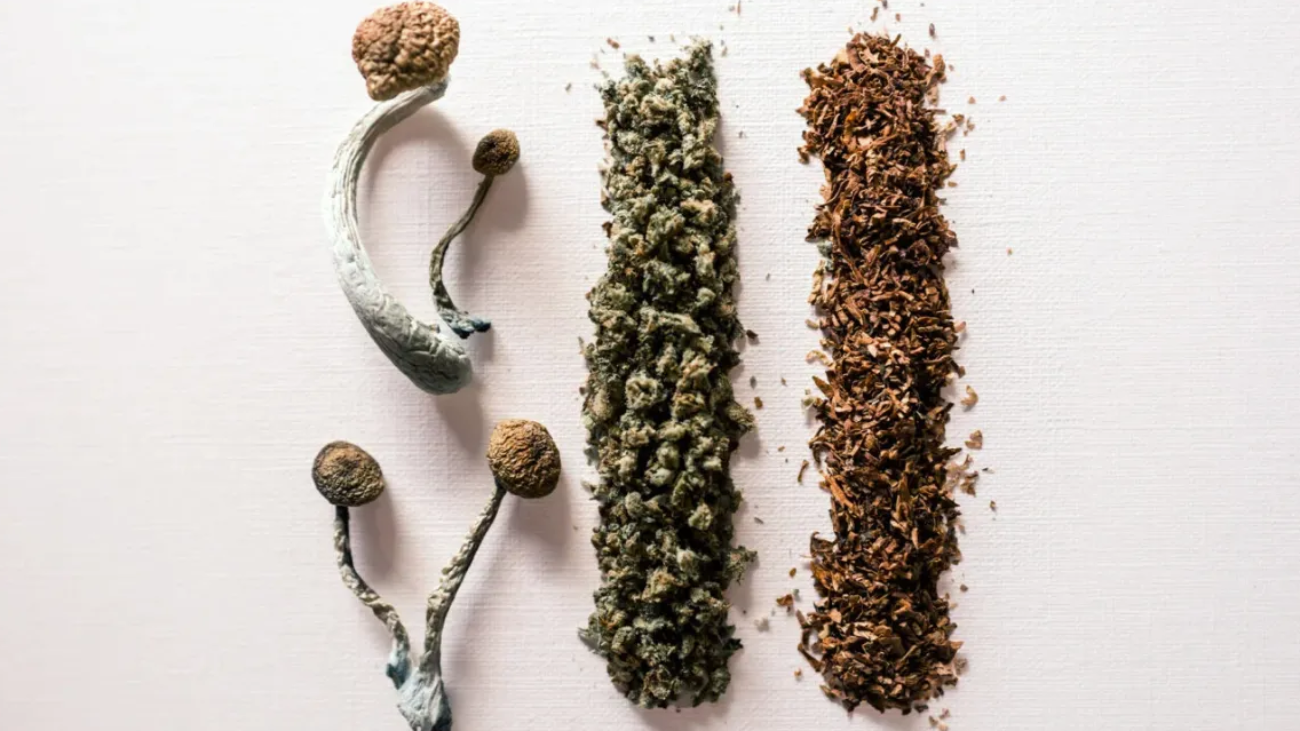
People ask this because smoking feels like the “fast lane” for a lot of substances. If inhaling nicotine or cannabis hits quickly, it’s natural to wonder if dried psilocybin mushrooms work the same way. The short answer: you can physically burn mushrooms and inhale the smoke, but it’s widely considered a bad idea. Most sources agree it’s usually ineffective for psychedelic effects and still comes with real respiratory downsides.
Why smoking shrooms usually doesn’t produce a real trip
Psilocybin is a heat-sensitive compound. When you smoke something, the material reaches very high temperatures at the burning tip. Multiple harm-focused articles point out that combustion heat can break down psilocybin before it ever reaches your body in a form that would create the classic psychedelic effects. In plain terms: you’re likely destroying the main active ingredient while still inhaling burnt organic matter.
There’s another practical issue: psilocybin typically becomes psychoactive after it’s converted in the body to psilocin. That conversion is associated with oral ingestion. Even if tiny amounts survived heat, smoking makes it hard to know what, if anything, you’re absorbing. That’s one reason people report weak, inconsistent, or “nothing happened” outcomes.
What you might feel if you try anyway
A lot of people expect visuals and deep mental shifts. What’s more common in reports and warnings is irritation and discomfort. Burning dried mushroom material can produce harsh smoke, which can lead to coughing, throat burn, watery eyes, and a headachey “gross smoke” feeling. Some people also describe dizziness or nausea, which can happen just from inhaling hot, irritating smoke and getting anxious about it.
If anything psychoactive happens, it may be from something else in the mix (like cannabis or tobacco), or from a placebo effect paired with expectation and stress. The core point is that smoking mushrooms is not a reliable route to the classic psilocybin effects people think they’re chasing.
Smoking shrooms with weed: why it doesn’t “activate” the mushrooms
One common idea online is, “If I mix shrooms with weed, the weed will carry it.” That’s not how chemistry works. Cannabis may get you high, but it doesn’t protect psilocybin from heat. You’re still combusting the mushroom material at temperatures that can degrade the compounds. So the weed part may do its usual thing, while the mushroom part mostly adds harshness, taste, and lung irritation.
The combination can also raise the odds of anxious reactions. Cannabis can amplify paranoia in some people. If you’re already nervous because “nothing is happening” or you’re worried you did something unsafe, that spiral can get intense fast.
The real risks: lungs first, then judgment
Even if it “doesn’t work,” it can still hurt your lungs. Inhaling burnt fungi is not the same as inhaling clean air. Dried mushrooms contain fibrous structural material (like chitin in fungal cell walls) and other components that don’t burn cleanly. You’re basically inhaling smoke from a weird, dusty plant-like substance. That can irritate airways, trigger coughing fits, and aggravate asthma or chronic bronchitis.
There’s also a second layer of risk: the decision-making risk. When people don’t feel the effects they expected, they sometimes take bigger and bigger chances, smoke more, mix more substances, or switch methods without thinking it through. That’s where accidents happen: panic, unsafe behavior, driving, or taking an unknown amount later because the first attempt “failed.”
Potency, contamination, and misidentification problems
Even outside the smoking question, mushrooms have variability issues. Potency can vary by species, strain, grow conditions, and storage. That makes any “dose logic” shaky. With smoking, you add another layer of uncertainty because you’re changing the delivery route in a way that likely destroys the active compound.
Contamination is another concern. Mushrooms can carry mold or bacteria if they weren’t dried and stored correctly. Heating doesn’t magically make contaminated material safe to inhale. Inhaling spores or burnt contaminants is the opposite of what you want for your lungs.

Misidentification is also serious. Some toxic mushrooms can look similar to psychedelic varieties. Smoking doesn’t protect you from poisoning, and it can make it harder to realize you used something unsafe until you’re already in trouble.
Mental health risks still matter, even with “ineffective” methods
Some articles on this topic widen the lens to overall psilocybin safety, and that’s worth keeping in mind. Psychedelics can intensify emotions and can be risky for people with certain mental health histories, especially psychosis-spectrum disorders or bipolar disorder. Even the attempt, paired with fear, regret, or a surprise reaction to cannabis, can trigger panic attacks.
A rare but real long-term issue discussed in harm-focused writing is HPPD (hallucinogen persisting perception disorder), where visual disturbances linger after use. The risk is generally considered low, but it’s another reason not to treat psychedelics like a casual experiment, and definitely not like a “let’s see what happens” smoke session.
Quick myths vs facts
Myth: “Smoking shrooms hits faster, so it’s stronger.” Fact: faster doesn’t matter if heat destroys what you’re trying to absorb, and the harsh smoke can make the whole situation feel worse.
Myth: “If I smoke more, I’ll break through.” Fact: you may just irritate your lungs more and raise anxiety without getting the effects you expected.
Myth: “Mixing with weed makes it work.” Fact: weed can change your headspace, but it can’t protect psilocybin from combustion.
If you’re curious, curiosity is fine, just don’t treat your lungs like a test lab, ever today.
“Is it legal?” depends on where you are
Laws are patchy. In many places, psilocybin mushrooms are illegal to possess, grow, or sell. Some jurisdictions have decriminalized personal possession, and some have supervised therapeutic programs, but that doesn’t automatically mean home use is legal or safe. If legal consequences matter for your life, work, school, custody, immigration, don’t guess. Check your local rules.
If someone is thinking about psychedelics for mental health
A lot of people are curious because they’ve heard about therapy studies. The key detail: clinical research happens with screening, known doses, controlled settings, and trained support. That is very different from street products, unknown potency, and improvised methods like smoking.
If your interest is mental health, the safest route is supervised care where it’s legally available. If it’s not available, focusing on evidence-based treatments you can access now is still the smartest move.
Harm reduction: safer choices than smoking
I can’t help with instructions for using illegal drugs. What I can say is that, in places where psilocybin use is legal or medically supervised, inhalation is generally not the route used for psilocybin. People who push “smoke shrooms” content online are usually recycling myths.
If someone is determined to use psychedelics in a legal context, the basics of safer use are boring but real: don’t mix substances, don’t use when you’re in a bad headspace, avoid risky settings, and have support available. And if a method is known to be harsh on lungs and unreliable, skipping it is the safer call.
When to get help right away
Seek urgent medical help if someone has trouble breathing, chest pain, severe confusion, fainting, or behavior that puts them or others in danger. If someone is panicking, getting to a quiet space, slowing breathing, and having a calm sober person present can help while you decide if medical care is needed.
If experimenting is turning into a pattern
Several recovery-oriented articles frame “smoking mushrooms” as a sign that someone may be chasing intensity or trying anything to feel different. That doesn’t mean someone is “addicted” in the classic physical-withdrawal sense, but psychological dependence can still happen, using substances to cope, escaping stress, or needing a chemical switch to get through the day.
If you see that pattern in yourself or someone you care about, support can help: counseling, harm-reduction services, and, when needed, substance use treatment that also addresses anxiety, trauma, or depression.

Bottom line
Yes, if you still wondering, can you smoke magic mushrooms? You can smoke magic mushrooms in the sense that you can burn dried mushrooms and inhale the smoke. But the best available harm-focused guidance says it’s usually a waste if you’re seeking psychedelic effects, because combustion heat can break down psilocybin. What you can get instead is coughing, throat burn, lung irritation, and a higher chance of making impulsive choices. If psychedelics are on your mind for any reason, the safer move is to avoid inhaling mushrooms and keep your decisions grounded in legality, health, and reliable information.