DMT (N,N-Dimethyltryptamine) is a powerful psychedelic drug known for producing intense but short-lived hallucinations. It occurs naturally in many plants and even in animals, and it is the primary psychoactive compound in the Amazonian brew ayahuasca . Scientists are very interested in DMT because of its profound effects on the human brain and consciousness. Unlike longer-lasting psychedelics like LSD or psilocybin, a DMT experience is extremely brief – often lasting only a few minutes when inhaled or vaped .
This “blink-and-you-miss-it” trip (nicknamed the “businessman’s trip”) lets researchers study a rapid onset and recovery of altered brain function . By examining what DMT does to the brain during those minutes, researchers hope to glean insights into perception, consciousness, and potential therapeutic uses for mental health. In short, DMT is studied for both its unique neuroscience effects and its potential benefits in treating conditions like depression or trauma.
How do people use DMT (smoking, vaping, etc.)?
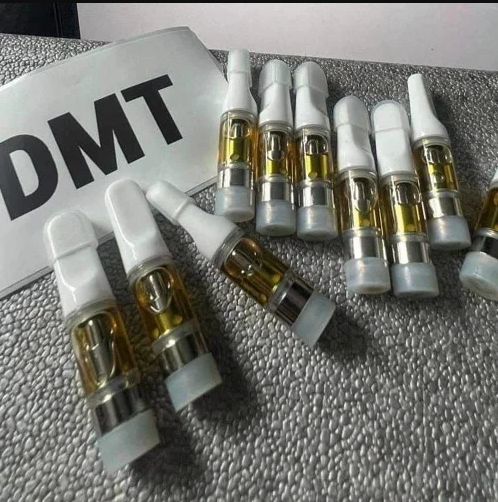
People consume DMT in a few different ways, and the method of use affects how quickly it hits and how long it lasts. The most common modern method is inhaling vaporized DMT. Users often load freebase DMT into a pipe or use a DMT vape pen with a special cartridge (“DMT cart”) designed for the drug. These pre-filled DMT cartridges contain DMT extract in an e-liquid solution, allowing it to be vaporized and inhaled easily. When smoked or vaped, DMT’s effects begin almost instantly – within seconds – because the compound reaches the brain very quickly .
Traditional indigenous use involves drinking ayahuasca, a DMT-containing brew, but oral DMT alone is inactive unless combined with an MAOI to prevent it from being broken down . In rare cases, DMT is also injected or snorted, but inhalation is by far the most common recreational route . The key point is that vaporizing or smoking DMT produces an immediate, extremely intense trip, whereas drinking it in ayahuasca results in a longer, milder experience due to slower absorption.
How long do the effects of DMT last?
One defining feature of DMT is its ultra-short duration of action. If DMT is inhaled (for example, through a vape pen or pipe), the psychedelic effects come on within a few heartbeats and peak about 2–5 minutes after the hit . The whole DMT trip is typically over within 15–30 minutes from start to finish . This rapid onset and fade is why DMT earned the nickname “businessman’s trip” – someone could experience a full psychedelic journey during a short lunch break .
By contrast, if DMT is taken orally in an ayahuasca brew (with MAO inhibitors), the effects take longer to start (30–60 minutes) and can last 4 hours or more . In summary, smoked or vaped DMT usually lasts 5–20 minutes of peak psychoactivity , whereas oral DMT (ayahuasca) lasts a few hours. Regardless of method, the intensity is high, but the brain returns to a normal state surprisingly quickly after a DMT trip ends.
What kind of chemical is DMT (and is it similar to serotonin)?
Chemically, DMT belongs to the tryptamine family of compounds – the same family as the neurotransmitter serotonin and the hormone melatonin. In fact, if you look at DMT’s structure, it is a close structural analog of serotonin (5-HT) and melatonin . This means the DMT molecule has a very similar backbone to these natural brain chemicals.
DMT is sometimes even described as a “serotonergic hallucinogen” because it mimics serotonin’s shape and can bind to serotonin receptors . It’s truly fascinating that such a powerful psychedelic is only a couple of chemical tweaks away from the compounds our brain produces for normal function. Moreover, DMT is a natural compound in its own right – it’s not just a synthetic lab drug.
It occurs in many plants and animals in nature . For example, several Acacia and Psychotria plant species contain DMT in their leaves or bark, and these have been used in shamanic rituals for centuries. There is also evidence that mammals (potentially including humans) produce DMT internally, although in very small amounts . In summary, DMT is a naturally occurring tryptamine psychedelic that is chemically akin to our body’s serotonin and melatonin – which might explain why it has such profound effects on the brain’s chemistry.
How does DMT interact with the brain’s receptors?
DMT’s mind-altering effects stem from the way it interacts with specific receptors in the brain. Primarily, DMT is a potent agonist at serotonin receptors, especially the 5-HT2A receptor subtype . The 5-HT2A receptor is the same key target used by other classic psychedelics like LSD and psilocybin – stimulating these receptors intensely can trigger the cascade of hallucinations and altered perception. By binding to 5-HT2A in frontal brain regions, DMT distorts sensory processing and cognition, leading to the vivid visuals and mind-bending experiences users report.
In addition to 5-HT2A, DMT also activates other serotonin receptors (such as 5-HT1A and 5-HT2C) and even other systems beyond serotonin . Research shows DMT is a bit of a pharmacological “jack of all trades” – for instance, it binds to sigma-1 receptors (which may protect cells from stress) and interacts with trace amine receptors, and it can influence dopamine and other neurotransmitters as well . Interestingly, unlike LSD, DMT does not produce tolerance with repeated use – you could smoke DMT two days in a row and feel the full effects each time .
This lack of tolerance might be due to DMT’s unique receptor profile or how fast it is metabolized. In essence, DMT works by flooding the brain’s neurotransmitter receptors (especially serotonin receptors) with a potent signal, essentially “hijacking” the normal chemical messaging. This causes neurons to fire in unusual patterns – and that neural chaos underlies the intense psychedelic experience.
How does DMT change brain activity and connectivity?
When someone takes DMT, the change in their consciousness is linked to significant changes observed in brain activity. Imaging studies using EEG and fMRI (brain scanning techniques) show that under DMT, the brain enters a highly altered state of organization. Normally, the brain’s activity is organized into distinct networks that handle different functions (vision, hearing, attention, the “default mode” network for self-referential thinking, etc.).
On DMT, these network boundaries seem to fall apart – brain regions that usually work separately start communicating in a more global, interconnected way . Researchers from Imperial College London found that DMT causes a surge in “global functional connectivity,” meaning signals were freely exchanged across normally segregated brain networks .
At the same time, the integrity within each network diminished – for example, the default mode network (which is associated with ego and self) became disintegrated and less distinct. In simple terms, DMT makes the brain operate in a more unified, less compartmentalized fashion, almost like a high-entropy dream state. The brain’s electrical rhythms also change: EEG readings show that ordinary dominant rhythms (like alpha waves) become disrupted, and more anarchic, fast oscillations take over . One researcher described the DMT-influenced brain as “switching to something altogether more anarchic” in its mode of functioning .
This may explain why the experience feels so chaotic yet intensely immersive. Notably, the default mode network (DMN) – which is active during normal waking ego and mind-wandering – gets dramatically reduced or “dissolved” under DMT. This collapse of the DMN correlates with the phenomenon of “ego dissolution,” where users feel like their sense of self has melted away. In summary, DMT temporarily rewires the brain’s communication patterns, creating a state of hyperconnectivity and disorganized, “noisy” brain activity . These neural effects are likely why DMT produces such a transcendental, out-of-this-world state of consciousness.
What are the psychological effects of a DMT trip?
The subjective psychological effects of DMT are often described as some of the most intense among psychedelics. Users report powerful visual and auditory hallucinations – for instance, seeing intricate colorful patterns, bizarre landscapes, or even apparent entities. Many describe the DMT experience as being “shot out of a cannon” into an alternate reality full of hyper-real visions.
Common themes include distortions of time and space (seconds feel like hours, and one’s surroundings become unrecognizable) and a feeling of leaving one’s body behind. Ego dissolution is another hallmark: under DMT, people frequently lose the sense of having a separate self – the boundaries between “I” and the universe blur or disappear. This can lead to what researchers call “mystical-type” experiences or a sense of unity with a greater presence. In fact, many DMT users describe the experience as profound or spiritual. They often report encounters with intelligent beings or “machine elves,” as bizarre as that sounds.
Emotions on DMT can swing from awe and euphoria to fear. Some users feel intense joy, love, or a sense of understanding during the trip, while others might experience moments of anxiety or terror if the visions turn dark. Because perception is so radically altered, the concept of time, space, and identity becomes fluid – minutes in real life can feel like an eternity in the DMT realm, and one might feel they visited distant worlds or dimensions. Importantly, these psychological effects happen quickly and overwhelmingly.
As one Medical News Today summary put it, DMT produces “intense visual and auditory hallucinations, euphoria, and an altered sense of space, body, and time” . People have recounted life-changing insights, while others emerge simply stunned at what they just experienced. In short, a DMT trip can be mind-blowing – characterized by vivid hallucinations, loss of the ego, warped sense of reality, and deeply felt emotional and mystical sensations.
Does DMT have any long-term effects or aftereffects?
One naturally wonders if such a powerful brain event leaves any lasting changes after the immediate effects wear off. Scientifically, it’s still an open question, but here’s what we know so far. DMT does not seem to cause physical brain damage or cognitive deficits in the long term (at least no evidence of neurotoxicity has been seen) . Unlike some drugs, it’s generally considered non-addictive and physiologically safe with moderate use .
However, the psychological aftereffects can be notable. Many users report a lasting shift in perspective or mood after a DMT trip. For example, some feel more open-minded, spiritually aware, or appreciative of life in the days or weeks following. In clinical observations, single doses of DMT have led to short-term improvements in mood and outlook. One recent study found significant reductions in depression scores 1–2 weeks after an intravenous DMT session in healthy volunteers .
There is also early evidence that DMT (or ayahuasca, which contains DMT) might foster longer-term increases in traits like openness or emotional well-being, similar to findings with psilocybin. That said, not all aftereffects are positive for everyone. Sometimes a DMT experience can be psychologically challenging to integrate, especially if it was frightening or profoundly disorienting . A person might feel shaken or emotionally raw for a while.
Lingering anxiety or confusion has been reported in some cases, particularly if the trip brought up difficult personal content. Generally, though, these mental aftereffects fade with time and support. Importantly, we lack long-term longitudinal studies on frequent DMT users, so questions remain about subtle brain changes. DMT does promote neuroplasticity in cell studies (growth of neurons) , but whether repeated use causes any persistent alteration in brain structure or connectivity in humans is unknown.
The consensus is that occasional DMT use doesn’t leave clear long-term brain harm, and might even have enduring positive effects on attitude in some people . However, more research is needed to fully understand any persistent changes – whether beneficial or adverse – from DMT. Until then, any claims of lasting personality change or brain effects are mostly anecdotal or speculative.
What are the risks and side effects of DMT?
Despite its intriguing potential, DMT is not a risk-free substance. Psychologically, the intensity of a DMT trip can be overwhelming. Some users experience extreme fear, panic, or confusion during a bad DMT trip – essentially a terrifying onslaught of hallucinations that they cannot escape for several minutes. This can lead to anxiety or post-trip distress in susceptible individuals. Because DMT can mimic a near-death experience, it can be traumatic if someone isn’t mentally prepared . It’s not unheard of for users to have difficulty integrating what they saw or felt, sometimes resulting in lingering unsettling feelings or flashbacks.
On the physical side, DMT causes a temporary spike in heart rate and blood pressure . Most healthy people can handle this, but for someone with heart conditions or severe hypertension, that spike could be dangerous. Other possible physical side effects during the trip include chest tightness, dizziness, dilated pupils, and agitation . If DMT is taken orally with an MAOI (as in ayahuasca), it often causes nausea and vomiting as well – in Amazonian traditions this purging is considered part of the cleansing, but it’s certainly not pleasant. Another serious risk to highlight is serotonin syndrome.
DMT affects serotonin receptors, so if someone takes DMT while on certain antidepressants (like SSRIs or MAOIs) or other serotonergic drugs, it can dangerously overload the serotonin system . This can lead to confusion, fever, seizures, or worse. There’s also the general risk of unsafe behavior because DMT fully disconnects you from reality – doing it in a dangerous setting (near traffic, on a high balcony, etc.) is obviously a bad idea. That’s why set and setting are critical: being in a safe environment with a sober sitter is advised.
Unlike some drugs, DMT doesn’t seem to cause addiction or craving, and people don’t binge on it (the experience is too intense to do frequently). And notably, DMT has not shown evidence of causing brain toxicity or cognitive decline with occasional use . But because it’s so powerful, mental health professionals caution that those with underlying psychiatric disorders (like schizophrenia or severe anxiety) could have their symptoms exacerbated. In summary, the biggest risks of DMT are acute psychological distress, physical strain on the heart, and dangerous interactions with medications. Used in the wrong context, it can be frightening or hazardous, so caution and respect for the substance are paramount.
Does the brain naturally produce DMT (pineal gland and near-death theories)?
There is a popular theory that our brain might produce DMT internally – possibly in the pineal gland, a small pea-sized organ deep in the brain. This idea was famously proposed by Dr. Rick Strassman in his 2000 book “DMT: The Spirit Molecule,” where he speculated that the pineal gland releases a flood of DMT at extraordinary moments like birth and death . The notion is seductive: it could explain the common elements of near-death experiences (NDEs) – the bright lights, life review, encountering otherworldly realms – as being caused by an endogenous DMT trip.
However, what does the evidence say? Science has not confirmed this hypothesis. Researchers have found trace amounts of DMT in the pineal glands of rats, which shows the enzyme for making DMT exists there . But in humans, no conclusive proof of pineal DMT release has been obtained . Intriguingly, a 2019 study did find that the rat brain contains DMT at levels comparable to other neurotransmitters in certain regions (like the visual cortex and hippocampus) .
They even observed a spike of DMT in the rat brain at the moment of cardiac arrest, fueling speculation that DMT could be involved in the mysterious surge of brain activity at death . Still, experts urge caution in interpretation. As Dr. David Nichols pointed out, the concentrations of endogenous DMT are likely far too low to induce hallucinations under normal conditions . The brain has efficient MAO enzymes that break down DMT quickly , and our tiny pineal gland probably couldn’t synthesize enough DMT at once to overwhelm those enzymes and cause a trip . For perspective, the pineal weighs only ~0.2 grams and mainly produces melatonin – expecting it to pump out 25+ mg of DMT (a typical active dose) is unrealistic .
Moreover, the rat study showed that even after removing the pineal gland, the brain still made DMT elsewhere . So the pineal might not even be the primary source; the lungs and other neurons have the required enzymes too. As for near-death experiences, current evidence suggests they involve a complex surge of brain activity and neurotransmitters as the brain shuts down – DMT could be one player among many, but it’s not proven to be the cause .
In summary, the human brain does contain small amounts of DMT, but whether it’s intentionally released to trigger mystical experiences is unproven. The pineal gland DMT theory remains an intriguing idea without hard proof. As one health review succinctly put it: the pineal releases important hormones like melatonin, but “there’s no conclusive evidence that it releases DMT” in psychoactive amounts . Research is ongoing, but for now, any link between naturally produced DMT and things like dreaming or near-death visions is still speculative.
Does DMT have therapeutic potential in medicine?
In recent years, scientists have begun exploring DMT as a potential therapeutic tool in mental health, following the promising results seen with other psychedelics. The big appeal of DMT in a clinical setting is its short duration. A DMT session (via intravenous dose or vaporized administration) can give a patient a profound psychedelic experience in under an hour including recovery, as opposed to psilocybin or LSD sessions which last half a day.
This could make psychedelic-assisted therapy sessions more practical and cost-effective if DMT proves effective . Early studies are indeed finding positive signals. For example, a small 2024 clinical trial in healthy volunteers showed that a single IV dose of DMT led to significant improvements in depression ratings one week later .
Another preliminary study reported rapid next-day antidepressant effects from DMT in individuals with treatment-resistant depression . These results echo the therapeutic outcomes seen with psilocybin (which can produce lasting relief from depression or anxiety after one or two big experiences). DMT may work in a similar fashion by inducing a powerful “peak experience” or mystical insight that shifts a patient’s mindset and emotional perspective .
Therapists also note that DMT’s ego-dissolving effects could help patients break out of rigid thought patterns, potentially useful in conditions like depression, PTSD, or addiction. Ayahuasca, the DMT-containing brew, has a long history of use in traditional healing ceremonies and has shown promise in modern studies for reducing depression and addiction cravings in some contexts . However, it’s crucial to stress that research on DMT therapy is just beginning. The studies so far have been small and often not placebo-controlled.
By contrast, psilocybin and MDMA are much further along – MDMA is on the cusp of approval for PTSD therapy, and psilocybin has shown lasting benefits for depression and anxiety in multiple trials . DMT’s intense and abrupt nature means the therapeutic setting has to be handled very carefully – the patient essentially rockets into a foreign mental universe, which can be jarring. Integration support after the session is key to translate any insights into lasting change. On the plus side, DMT’s short action might allow flexible dosing via controlled infusion and the ability to bring someone back to baseline quickly if needed .
As of 2025, there are ongoing clinical trials (some using DMT-assisted therapy for depression ), so we should know more soon. In summary, DMT shows potential as a fast-acting psychedelic medicine, especially for conditions like depression. Preliminary evidence suggests it can improve mood and well-being in the immediate aftermath of a supervised session . But until larger studies confirm efficacy and safety, DMT therapy remains experimental. It may one day join the toolkit of psychedelic-assisted therapies, offering a rapid but deep mental reset – yet for now, its therapeutic promise is encouraging but not fully proven.
What do we know (and not know) about DMT’s impact on the brain?
Scientists have learned a great deal about DMT, but many mysteries remain. We know that DMT powerfully alters brain function in the short term: it binds to serotonin receptors and other sites to unleash a cascade of neural activity . Under DMT, the brain shifts into an unusual state of hyperconnection and disorganization, where normal communication patterns are remixed and the usual sense of self is disrupted . This correlates with the subjective experience of vivid hallucinations and ego loss. We also know DMT is generally physically safe in terms of not harming organs or causing addiction, according to current evidence . And DMT’s effects are extremely short-lived – the brain’s normal chemistry returns within minutes after a smoked dose.
On the flip side, we do not yet know exactly why the DMT experience feels the way it does – how do those specific brain changes translate to “meeting machine elves” or feeling one with the universe? The precise neural mechanisms behind the content of the hallucinations are still elusive. We also don’t fully know what lasting changes (if any) occur in the brain after repeated DMT use. There are hints of positive changes like increased neuroplasticity and improved mood, but long-term data are scant. Importantly, while the presence of endogenous DMT in the human body is confirmed, we don’t know the biological role of this natural DMT (if there is one). It’s debated whether DMT has a normal function in the brain or is merely a metabolic byproduct .
The popular idea that DMT released from the pineal gland causes dreams or near-death visions is unsubstantiated by current science . In conclusion, DMT is a remarkable compound that gives researchers a tool to probe consciousness – in a controlled setting it can momentarily flick the brain into a very exotic mode and then back again. We have characterized its pharmacology and acute brain effects quite well. Yet, much remains unknown about the deeper questions: Why do our brains have receptors that make DMT cause such a profound experience? Does the brain use DMT for anything itself? Can the insights from a DMT trip translate into tangible therapeutic outcomes? Ongoing studies aim to answer these.
For now, what’s clear is that DMT profoundly (but briefly) changes how the brain works, leading to an experience often described as otherworldly. It opens a unique window into the workings of human consciousness – a frontier science is still actively exploring. As research progresses, we’ll better understand whether DMT’s brain effects can be harnessed for healing or whether they simply illuminate the extraordinary capabilities latent within our normal brain chemistry.
DMT (N,N-Dimethyltryptamine) is a powerful psychedelic compound often called the “spirit molecule.” It produces a brief but intense visual trip . This guide answers the key question “Where does DMT come from?” We cover its natural sources, presence in animals and humans, lab synthesis, cultural history, legal status, and common myths. By the end, you’ll see that DMT is far from just a “lab drug”—it’s a natural chemical with deep cultural and scientific significance.
Natural plant sources: DMT occurs in many plant species (e.g. Psychotria viridis, Mimosa hostilis) .
Endogenous production: Researchers have found trace DMT in mammals; the body likely makes tiny amounts too .
Synthetic context: Chemists can make DMT in labs under strict control .
Historical use: Indigenous Amazonian cultures have brewed DMT-rich plants (ayahuasca) for rituals for centuries .
What plants naturally contain DMT?
Many plants contain DMT as a natural defense chemical. For example, the Amazonian shrub Psychotria viridis (chacruna) and the root bark of Mimosa hostilis (jurema) are rich in DMT . Shamans brew P. viridis leaves with Banisteriopsis caapi vine to make ayahuasca, which extracts and activates the DMT in the brew . Scientists have identified DMT in dozens of other plant species worldwide (including some Acacia and Virola trees), so it’s quite common in nature.
Researchers have found that animals (including mammals) produce DMT naturally. In 2019, a Michigan team detected DMT throughout a rat’s brain . They even discovered neurons in the cortex and hippocampus that contain the enzymes needed to make DMT . This implies humans likely synthesize tiny amounts of DMT too, though its role is still unknown. Importantly, the idea that the pineal gland floods the brain with DMT at birth or death is not supported by evidence . Some animals do secrete related tryptamines: for example, the Colorado River toad (Bufo alvarius) exudes 5-MeO-DMT from its skin glands (chemically similar but distinct from the plant DMT).
How is DMT produced and regulated?
DMT was first created in a lab in 1931 . Today, scientists routinely synthesize it for research. For example, a 2025 clinical trial used vaporized lab-made DMT to treat depression . However, any unauthorized production or sale of DMT is illegal. In the U.S., DMT is a Schedule I drug (no accepted medical use) , so it cannot be legally bought or sold.
Clinical research: Pure DMT is produced under license for medical studies .
Legal status: DMT is banned for recreational use in most countries (Schedule I in the U.S. ).
What is the cultural and historical background of DMT?
DMT has a long history in Indigenous cultures. South American tribes have used DMT-rich plants in ceremonies and healing rituals for hundreds of years . The classic example is ayahuasca: a sacred Amazonian brew made from Psychotria viridis (source of DMT) and Banisteriopsis caapi, which shamans drink to induce visions . Early European explorers even documented natives using DMT-containing snuffs (such as cohoba) in religious rites . In modern times, psychiatrist Rick Strassman dubbed DMT the “spirit molecule” after studying its powerful effects in clinical trials .
Traditional medicine: Shamans have used DMT brews and snuffs for spiritual healing .
Modern interest: DMT has gained global attention through research and media (e.g. Strassman’s work calling it the “spirit molecule” ).
What are common misconceptions about DMT’s origin?
Several myths circulate about where DMT comes from. One is that DMT is only a “designer” drug created in a lab; in reality, it occurs naturally in hundreds of plants . Another myth is that our pineal gland floods the brain with DMT during birth, death, or dreaming. This is not supported by scientific evidence . Likewise, stories about “psychedelic frogs” often confuse different chemicals: Bufo toads secrete 5-MeO-DMT , which is related to but chemically distinct from N,N-DMT (the plant compound).
Lab-only myth: False – DMT is widespread in nature .
Pineal gland myth: Unproven – no evidence the pineal ever “dumps” psychedelic DMT into the brain .
Frog/toad myth: Bufo toads carry 5-MeO-DMT , not N,N-DMT.
Why is it important to know where DMT comes from?
Understanding DMT’s origins provides valuable context. The nickname “spirit molecule” comes from the fact that DMT links sacred plants with our own brain chemistry . Knowing its sources helps honor traditional practices (like ayahuasca ceremonies) and guides scientific research. For example, Michigan researchers said finding DMT in the brain is “the first step toward studying DMT within the brains of humans” . In short, tracing DMT’s sources ties together nature, culture, and neuroscience, which can help guide safe use and further research.
Final Verdict: Where does DMT come from?
In the end, DMT is not just a lab novelty – it’s a natural compound. The vast majority of DMT people encounter comes from plants (like Psychotria and Mimosa) , and only tiny traces are made internally by animals or humans . Modern labs also synthesize it for research. Knowing this, remember that DMT’s origins lie in nature (and careful chemistry), not in “mystery organs” or sci-fi scenarios.
Sources: Authoritative research and reviews have been cited throughout to support these answers.
SEO Title:Where Does DMT Come From? Plants, Brain & Lab Origins Explained
Meta Description:Where does DMT come from? Discover its natural origins: Amazonian plants (ayahuasca, Mimosa), trace animal/human presence, and lab synthesis. Learn about DMT’s effects, the “spirit molecule” nickname, pineal gland myths, and illegal DMT vape pen sales.
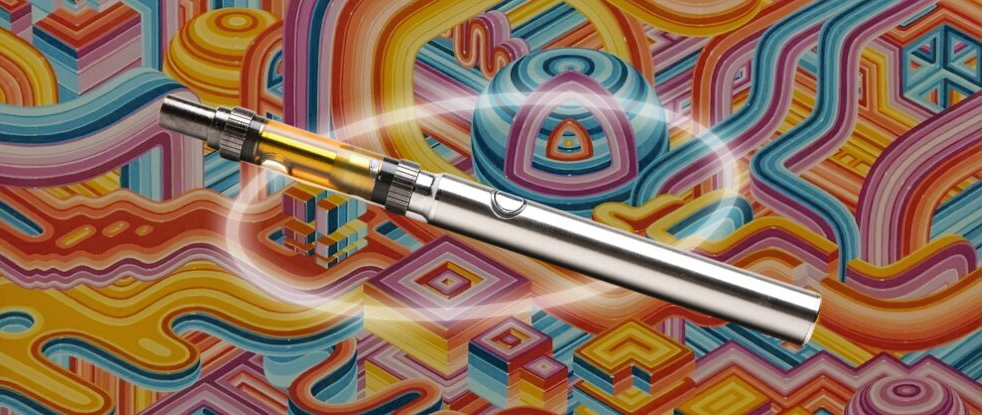
Figure: A DMT vape pen merges cutting-edge vaporizer tech with the potent psychedelic known as DMT. In recent years, “DMT vape pens” have surged in popularity, allowing users to inhale DMT (N, N-Dimethyltryptamine) vapor for an extraordinarily intense but brief psychedelic experience. DMT – often called “the spirit molecule” – is a powerful hallucinogen traditionally consumed via exotic brews like ayahuasca, but it’s now finding a place in vape culture. In this definitive guide, we’ll explore everything you need to know about DMT vape pens: from what DMT is and how DMT vapes work, to the effects, risks, legality, and best practices. By the end, you’ll understand why these devices are trending and how to approach them with knowledge, caution, and respect.
🔬 What is DMT?
DMT Basics:Dimethyltryptamine (DMT) is a powerful psychedelic tryptamine that occurs naturally in many plants and even in animals. Chemically akin to neurotransmitters like serotonin, DMT triggers profound alterations in perception and consciousness by activating serotonin receptors in the brain. Users often experience vivid hallucinations, intense shifts in time and space, and even “ego death” – a sense of losing personal identity. Notably, DMT’s effects onset rapidly and fade quickly. When inhaled (through smoking or vaping), a DMT trip begins within seconds and lasts only about 5–15 minutes of peak hallucinogenic effects. Because of this short duration, 1960s users nicknamed DMT “the businessman’s trip” – one could purportedly visit otherworldly realms over a lunch break.
Natural Sources & History: DMT is found in dozens of psychedelic plants – for example, the leaves of Psychotria viridis and bark of Mimosa hostilis are rich in DMT and are used in the preparation of ayahuasca, a sacred Amazonian brew. Indigenous cultures in the Amazon have consumed DMT for centuries in ritual contexts. Shamans brew ayahuasca by combining DMT-containing plants with vines that contain MAO inhibitors, allowing DMT to be orally active and inducing a visionary trance lasting 4–6 hours. In these cultures, DMT is revered as an entheogen (spirit medicine), used for spiritual insight and healing. Western science “discovered” DMT in the mid-20th century; it was first synthesized in 1931, and by the 1950s, researchers like Stephen Szára reported its LSD-like psychedelic effects. More famously, Dr. Rick Strassman conducted U.S. clinical trials with DMT in the 1990s, dubbing it “the spirit molecule” for its profound, mystical qualities.
DMT vs. Other Psychedelics: DMT is often compared to classic psychedelics like LSD and psilocybin (magic mushrooms), but there are key differences. Duration is the most obvious – an LSD trip can last 8–12 hours, a mushroom trip 4–6 hours, yet a smoked DMT trip peaks within 2–3 minutes and is mostly over in 20–30 minutes. Despite its brevity, DMT is intensely potent: users frequently report more immersive visuals and “breakthrough” experiences (entering a completely other reality, encountering strange entities) with DMT than with LSD or psilocybin. Interestingly, unlike LSD or shrooms, DMT does not build tolerance – repeated use over short periods doesn’t diminish its effect. Also, while psilocybin and DMT share a tryptamine structure, DMT is unique in being endogenously produced in trace amounts in mammals (scientists have detected small amounts in rat and human brains, though its role remains unclear) . In sum, DMT is a rapid, profound, and naturally occurring psychedelic often regarded as one of the most intense psychedelic experiences one can have.
🧪 What is a DMT Vape Pen?
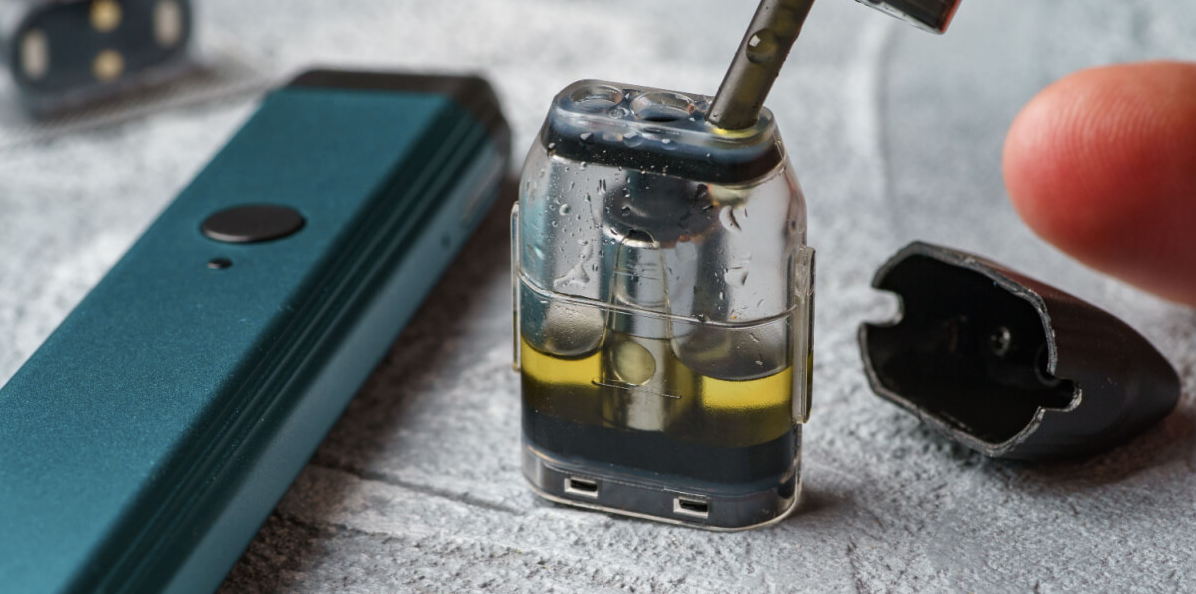
Definition & How It Works: A DMT vape pen is a specialized vaporizer device designed to deliver DMT via inhalation. In simple terms, it’s like a standard e-cigarette or cannabis vape pen, but loaded with DMT instead of nicotine or THC. The pen consists of a battery-powered heating element and a cartridge or chamber containing DMT (usually in liquid form, sometimes as a powder). When you activate the device, the heating element (coil) rapidly vaporizes the DMT, producing a vapor that is inhaled through a mouthpiece. This allows the user to “smoke” DMT without a flame, making administration quick, efficient, and discreet. Essentially, the vape pen is a convenient vehicle: it heats DMT to the point of vaporization (around 160–190 °C) without burning it, releasing potent vapor that causes an immediate psychedelic effect upon inhalation.
Key Components: A typical DMT vape pen has the same basic parts as other vape devices :
Battery: Powers the device and heats the coil (often rechargeable and pen-sized).
Cartridge/Chamber: Holds the DMT-infused liquid (sometimes called DMT vape juice). In pre-filled disposable pens, this is built-in; in reusable models, it’s a refillable cartridge.
Atomizer/Coil: The heating element that warms the liquid to create vapor. Precise temperature control is important – too low and DMT won’t vaporize, too high and it could burn or degrade the compound .
Mouthpiece: The end you inhale from, through which the vapor is drawn into your lungs.
Some DMT vapes are disposable pens (single-use units), while others are refillable kits where you can load your own DMT extract. There are even modified e-cig devices with mesh coils that can vaporize solid DMT powder directly, but the most common approach is to use a liquid solution.
Preparing DMT for Vaping: One cannot simply stick raw plant matter or basic DMT crystals into a vape pen without preparation. DMT used in vape pens is typically the freebase form (a white/yellow crystalline powder), which vaporizes readily at the right temperature. To make a DMT vape juice, the DMT freebase is dissolved into a carrier liquid to create a stable solution for vaporization. Common carriers include the same solvents used in nicotine e-liquids:
Propylene Glycol (PG): A thinning agent that helps keep DMT in solution and facilitates vaporization.
Vegetable Glycerin (VG): Adds vapor smoothness and density, though too much VG can make the liquid too thick.
MCT Oil or Terpenes: Sometimes used in small amounts to improve flavor, stability, or absorption. (Terpenes can also mask the plastic-like taste of DMT vapor.)
The DMT is mixed with these carriers (often a PG/VG mix) until fully dissolved, forming a potent psychoactive e-liquid that can be loaded into a vape cart. The result is a stealthy DMT delivery system – the liquid looks similar to nicotine or cannabis vape oil. When you take a puff, the coil heats the liquid, vaporizing the DMT into an inhalable mist. This method avoids the harsh direct flame of traditional smoking, potentially preserving more DMT content and creating a smoother hit.
Why Vape DMT Instead of Smoking It? Enthusiasts often choose vapes over old-school smoking for several reasons:
Ease & Convenience: A vape pen is portable and simple – no need for a special glass pipe, no messing with lighters or complicated techniques. Just inhale, and DMT’s effects hit you within seconds. The device is discreet and can be carried in a pocket like any vape. There’s also no strong odor; the vapor dissipates quickly.
Dose Control: Vaping allows more controlled dosing of DMT. Instead of burning an entire packed bowl of DMT (which might overwhelm you), you can take measured puffs. Users can start with a small inhale and gauge effects, then decide to take another. This makes it easier to achieve either a mild experience or a full “breakthrough” trip at your own pace. In other words, you dial the intensity up or down by how many hits you take – a level of control hard to get with one-shot smoking.
Less Harsh on Lungs: Vaped DMT vapor is generally less irritating than inhaling hot DMT smoke from a flame. Proper vaporization avoids burning the compound, which means fewer toxic byproducts and a smoother inhale. Many people find vaping DMT causes less coughing compared to the traditional “sandwiching” DMT in a pipe method. Also, unlike ayahuasca, vaping won’t induce nausea and vomiting, since you’re not ingesting the brew.
Rapid Onset: Both smoking and vaping DMT are extremely fast-acting, but a well-made vape can hit very fast – sometimes within 10 seconds, you feel it. There’s no delay in absorption because vapor enters the bloodstream via the lungs immediately (bypassing the gut and liver entirely). For seekers of the quick plunge into DMT space, vapes are as fast as it gets.
Stealth Factor: A DMT vape pen looks like any other vape pen. In public or among outsiders, it doesn’t draw suspicion the way burning crystals in a glass pipe might. This discreteness appeals to those who value privacy (though using DMT in public is not recommended, it’s illegal and overwhelming!).
That said, vaping is not without drawbacks or risks, which we will discuss in detail in the Pros and Cons section. But it’s clear why DMT vape pens have gained a foothold: they simplify the DMT experience dramatically, lowering some barriers to entry (for better or worse).
🚀 How Does a DMT Vape Experience Feel?
In a word: intense. The DMT vape experience is often described as otherworldly and life-changing, despite its short length. Here’s a breakdown of what to expect:
Onset, Peak, and Duration: After taking a hit from a DMT vape pen, effects come on within seconds – often 10–30 seconds is enough for reality to start morphing . There is often a rapid “rush” or launch feeling as the DMT takes hold. The peak of the experience hits hard and fast: within about 2 minutes of inhalation you may reach full intensity . At this point, users are typically fully immersed in the psychedelic state (often eyes closed, detached from their surroundings). The total duration of a DMT vape trip is very short: roughly 5 to 15 minutes of peak hallucinatory effects before you begin descending back to baseline .
In many cases, hallucinations fade after ~15–20 minutes, and within 30–60 minutes you feel mostly normal again (aside from any mental afterglow or stunned amazement at what just happened). This quick rise and fall is a hallmark of DMT. Users often remark, “I was in an entirely different universe for 10 minutes, then suddenly I was back in my living room.”
Sensory and Psychological Effects: At moderate to high doses, DMT vapor launches you into a cascade of vivid sensory hallucinations and mind-bending experiences. Common reports include:
Intense Visuals: Kaleidoscopic, fast-moving visuals behind closed eyes – complex geometric patterns, fractals in brilliant colors, and rapidly transforming scenes. Some see tunnels or enter bizarre landscapes. With a sufficient dose, users may encounter seemingly autonomous entities or beings within these visions.
Ego Death and Dissolution: A high-dose DMT trip often leads to ego dissolution, where your sense of self disintegrates completely. You might forget you’re a human or that you took a drug; you become pure consciousness observing incredible phenomena. This can be ecstatic and freeing, or if resisted, a source of panic.
Altered Time and Space: Time loses meaning – seconds can feel like eons. Many say they “left” their body or this reality entirely during the peak. Some describe entering a “hyperspace” or another dimension. Physical surroundings (if eyes are open) may be unrecognizable, overlaid with hallucinations.
Auditory Hallucinations: Aside from visuals, DMT sometimes produces auditory effects – a loud ringing or “carrier wave” sound, high-pitched tones, buzzing, or even auditory hallucinations like voices or music. A characteristic “crackling” or whooshing sound as you “break through” is commonly reported.
Physical Sensations: Initially, you might feel a rush or vibration through your body as the DMT kicks in. Some experience a sense of weightlessness or flying, or conversely, a heavy pressure. Tingling energy coursing through limbs, and a rapid heart rate are common. Often, people become very still and unaware of their bodies during the peak (to an outside observer, they may appear frozen or lightly convulsing). As you come back, you might notice your heart pounding or sweating from the intensity.
During a breakthrough DMT trip, users often report encountering “the other side” – this can include meeting strange entities or elves, experiencing scenes of extraordinary complexity, or feeling a profound spiritual presence. Words often fail to describe these experiences; many call them ineffable. Emotions can range widely: from euphoric bliss and awe , to fear and confusion if the visions turn dark or overwhelming . Each person’s trip is unique, and even for the same person, it’s often different every time. Importantly, the effects vanish as quickly as they came – within minute,s you may snap back with only a fading memory of the “distant” place you visited.
Microdosing vs. Full Dose “Breakthroughs”: Not everyone who vapes DMT aims for a full-blown, reality-shattering trip. Some users take very small puffs (microdoses) of a DMT vape pen to achieve threshold effects without completely “breaking through.” A microdose of DMT might produce a mild mood lift, slight visual distortions, or body sensations, but you remain largely grounded in reality. People might do this to explore DMT’s headspace gently or for creativity/meditation without the intensity. In contrast, a “breakthrough” dose typically involves taking multiple deep inhales in a short span (often 2–4 hits in under a minute) until you lose normal awareness. A breakthrough means fully entering the DMT realm – the world around you dissolves entirely. Vaping makes it relatively easy to modulate your dose: you can choose to dabble with lighter effects or push for a breakthrough depending on how many hits you take. Many first-timers start with a single small puff to test the waters. Keep in mind, even a cautious dose can surprise you – DMT’s potency is remarkable, and crossing the threshold often happens before you realize it.
Integration: Coming Back to Reality: After the brief storm of a DMT trip, users are often left wide-eyed, with a head full of profound thoughts, questions, or insights. Because DMT experiences are so fast and astonishing, it can be challenging to process them. Integration refers to the practice of reflecting on and incorporating the experience into your normal life. Even though the hallucinogenic effects wear off in minutes, the psychological impact can last much longer – sometimes you might feel shaken, inspired, or baffled for days. It’s wise to give yourself time to come down calmly. Sit for a while afterwards to collect yourself; you may feel a euphoric afterglow or occasionally confusion. Many find it helpful to journal about the trip immediately or later that day, jotting down the visions or lessons before they fade. Meditation or quiet reflection can also help in processing the experience. Some users discuss their DMT insights with a trusted friend or integrate lessons through art and creative expression. Because DMT dreams can slip away like nighttime dreams, integration practices ensure any personal growth or realizations are not lost. Remember: sometimes a DMT trip raises profound existential or spiritual themes – it’s normal to feel a bit disoriented about “reality” after coming back. Grounding activities (like walking in nature or eating a meal) and talking through your thoughts can help you smoothly re-enter daily life. Proper integration is key to getting benefit (and not just bewilderment) from the DMT experience.
📋 Pros and Cons of DMT Vape Pens
Like any method of using psychedelics, DMT vape pens come with advantages and disadvantages. Let’s break down some key pros and cons:
Pros
Discreet and Portable: DMT vape pens are small and inconspicuous, resembling ordinary vapes or pens. You can carry them in your pocket and use them discreetly—they don’t produce a telltale smell or require bulky gear. Their portability lets you choose a controlled setting, rather than being stuck with a complicated setup.
No Complex Setup: Using a DMT vape is straightforward – no need to learn special smoking techniques or prepare a brew. Traditional DMT smoking often requires a glass pipe and careful heating to avoid burning the DMT; by contrast, a vape pen automates the process. No MAOIs or other components are needed (unlike ayahuasca). This simplicity lowers the barrier for entry (though caution: ease of use isn’t always a good thing, as noted in cons).
Rapid Onset & Intensity: For those seeking the quintessential DMT experience, vapes deliver near-instant effects and a full-strength trip in a very short time. Many users see the immediate onset as a benefit compared to slower psychedelics—it reduces anxiety during the come-up. For those seeking deep hallucinations, DMT vape pens offer the fastest route. It’s like a lightning bolt of psychedelic experience, which some find efficient or preferable to a 6-hour journey.
Controlled Dosing: Vape pens allow incremental dosing. You can start with a small hit, assess, and then take more if needed, achieving the desired level of effect more precisely. This controlled approach can reduce the chance of accidentally taking too large a dose (which is easier to do when trying to smoke an entire dose at once). It also enables practices like microdosing or taking threshold doses for milder effects. In short, you set the pace of the experience.
Potentially Smoother Inhalation: Vaping (when done properly) heats DMT optimally, avoiding open combustion. This means potentially less irritation to the lungs than inhaling smoke from burning DMT or plant material. Many users report that vapor is gentler on the throat than the harsh ,hot smoke from a pipe. Additionally, vaporization may reduce toxic byproducts – some argue it’s a cleaner delivery, although long-term health of vapor inhalation is still an open question.
Harm Reduction & Efficiency: Some harm reduction advocates note that vaping can preserve more of the DMT dose (since it’s efficiently converted to vapor rather than some being destroyed by flame). The smaller, metered hits also let users back off if it becomes too intense, potentially avoiding some “bad trips” by pacing the intake. From a purely practical standpoint, one can also store DMT in a vape cart safely over time, whereas freebase powder must be handled and measured each session.
Cons
Short-Lived but Intense: The brevity of a DMT vape trip is a double-edged sword. While short duration is convenient, the experience can be overwhelmingly intense and packed into those few minutes. Some users find the rapid onset and extreme speed of immersion disorienting or frightening – there’s essentially no time to prepare once you inhale. The whirlwind nature can lead to difficulty remembering or processing what happened. In contrast, longer psychedelics allow a gradual entry and more integration during the experience. With DMT vapes, you may go from 0 to 100 in seconds, which is not beginner-friendly and can be potentially traumatic if one isn’t mentally prepared.
Intense & Unpredictable Experiences: DMT is inherently unpredictable – one hit might give you blissful geometries, another might catapult you into confronting frightening hallucinations. Vaping makes it easy to accidentally take a potent dose, which can result in extremely intense trips that are hard to control . A newcomer could be lulled by the casual vape format and underestimate DMT’s power, only to be met with panic or extreme anxiety once the trip starts . Bad trips (though not physically dangerous) can be psychologically harrowing. The ease of taking another puff can also lead some to dive back in repeatedly, which may not always be psychologically healthy.
Potential for Misuse or Overuse: Because DMT vape pens are so convenient and stealthy, there’s a risk of more frequent use or using in less-than-ideal settings. The traditional difficulty of smoking DMT or the reverence of a ceremony inherently limited use frequency. With a pen in your pocket, one might be tempted to take spontaneous hits or treat DMT casually (e.g., at a party or on a whim) – scenarios that can lead to unsafe outcomes. The habit-forming potential of DMT itself is low (it’s not physically addictive) , but psychological habituation is possible. Someone seeking escape might vape DMT too often as a crutch, which can be problematic. Easy access can also lead to slipping a hit to an unwary friend (never do this!) or other irresponsible behavior.
Chemical and Hardware Risks: Using unregulated vape cartridges carries certain health risks. The purity and quality of DMT in a cartridge can vary wildly – on the black market, you might get a cart that contains little DMT or is laced with other chemicals . There’s a risk of harmful additives or residues if the DMT wasn’t properly synthesized (for instance, residual solvents or lye from DIY extraction). Additionally, the long-term health impact of vaporizing DMT with PG/VG isn’t well studied. We do know that in 2019 a wave of lung injuries (EVALI) occurred from illicit THC vapes containing harmful additives; the CDC reported over 2,600 hospitalizations and 60 deaths in that outbreak . While those were largely due to vitamin E acetate adulterants, it highlights that inhaling vaporized chemicals can have serious risks. A poorly made DMT cart could similarly cause lung irritation or injury . Even high-quality carts use propylene glycol, which is considered safe by itself, but we lack research on regularly inhaling it at DMT-dose levels . Also, cheaply made vape hardware can leach heavy metals or burn the oil if misconfigured. So, there is unknown health risk in adopting this new consumption method.
Lung Irritation: Even though vapor is gentler than smoke, it can still be harsh on the respiratory system. Many users experience coughing or a burning sensation in the lungs when inhaling DMT vapor, especially if the ratio of carriers isn’t optimal . Some carriers (like certain terpenes or too much PG) can cause throat irritation. Repeated exposure could potentially cause respiratory issues – anyone with asthma or lung conditions should be extremely cautious.
Dependence on Device: Unlike traditional methods (smoking crystals in a pipe or brewing tea), a vape pen is an electronic device that can malfunction or run out of battery. In a pinch, if your battery dies or cartridge clogs, you can’t access the DMT. While not a huge con, it means reliability is tied to hardware. For example, mid-trip a cheap pen could fail, possibly leaving you in an awkward halfway state. Also, if regulations or law enforcement catch up, obtaining or replacing vape hardware specifically for DMT might become difficult.
Cost and Access: DMT vape pens can be quite expensive on the black market (due to the convenience factor and legal risk). A pre-filled pen might cost several hundred dollars, far more than the equivalent amount of raw DMT would. If one isn’t extracting and making their own, they rely on illicit vendors. This adds to cost and potential legal risk (discussed below).
In summary, DMT vapes offer unprecedented ease and controllability for exploring DMT’s “space,” but they also remove some natural safeguards that the complexity of traditional methods imposed. The result is that one must self-regulate and treat the practice with just as much caution (if not more) than older methods, despite the glossy modern package.
⚖️ Is DMT Legal?
The legal status of DMT is, in most places, very strict. DMT is generally classified as an illegal controlled substance around the world, often in the highest severity category. Here’s an overview:
United States: DMT is a Schedule I controlled substance federally, meaning it’s illegal to manufacture, possess, or distribute for any non-research purposes . Schedule I is the DEA’s most restrictive category (shared with drugs like heroin and LSD), indicating “no accepted medical use” and a high potential for abuse in the eyes of regulators. Being caught with DMT (including in a vape pen) in the U.S. can lead to felony charges, hefty fines, and even prison time. Penalties vary by amount and state, but even a small amount for personal use is typically a serious offense. It’s worth noting that in recent years, a few local jurisdictions have deprioritized enforcement of laws against natural psychedelics: some cities (like Oakland, Denver, Detroit, etc.) and the state of Oregon have passed measures that decriminalize personal use of entheogenic plants, including DMT-containing botanicals. However, this does not make DMT “legal” – it just means it’s the lowest law enforcement priority or subject to a citation rather than jail. Federally and in most states, possession of DMT remains a crime and DMT vape pens are treated the same as any DMT-containing substance under the law.
Global Overview: Internationally, DMT is banned by the 1971 UN Convention on Psychotropic Substances (listed in Schedule I of that treaty) . Most countries mirrored this in their national laws. For example, UK law classes DMT as a Class A drug (highest category), Australia and New Zealand ban it, and so on. Interestingly, Canada schedules DMT in a somewhat lower tier (Schedule III) . According to some sources, DMT is not explicitly listed as prohibited in Canada’s law, but it is covered under the generic tryptamine listing – effectively meaning it is illegal to sell or produce, though possession of small amounts might be treated less severely than Schedule I substances. The same goes for Mexico – DMT isn’t specifically named illegal there, but that doesn’t mean one can legally buy it; Mexican law still outlaws its supply. In practice, even in Canada or Mexico you cannot legally buy a DMT vape pen in a store (some online Canadian “vendors” operate in a grey market claiming legality, but they’re not officially licensed) . Bunk Police notes that in Canada and Mexico it’s “technically legal to own a DMT vape pen” but illegal for companies to sell them . This gray area means a user might not be prosecuted for mere possession in those countries, but any kind of distribution is unlawful. Most other countries (EU nations, Asia, etc.) treat DMT as an illicit drug akin to other psychedelics or even as a narcotic – penalties can be severe, including imprisonment.
Religious and Traditional Use Exceptions: One notable exception to DMT’s illegality lies in the context of ayahuasca and indigenous or religious use. Certain countries (like Peru, Brazil, and Colombia) legally permit the use of ayahuasca in traditional ceremonies. In Brazil, for instance, ayahuasca is protected for religious use by specific churches. In the United States, two Brazilian-origin churches (Santo Daime and União do Vegetal) won legal battles allowing their members to import and brew ayahuasca for sacramental purposes under the Religious Freedom Restoration Act. These exemptions apply only to the ayahuasca tea in a controlled ritual context – they do not make pure DMT legal, and they certainly don’t apply to vape pens. Similarly, indigenous peoples in the Amazon have the legal right (in their countries) to use their traditional plant medicines. But outside of such narrow contexts, DMT use is considered unlawful.
In summary, DMT is illegal almost everywhere for personal or recreational use. Possessing a DMT vape pen is just as illegal as having DMT powder or an ayahuasca brew, under the law. If one were to purchase a DMT vape cart online and have it shipped, they’d be risking trafficking charges if caught. The underground nature of this market is why finding reliable DMT vape vendors is difficult – any open commercial sale is shut down by authorities. Most DMT vapes are sold through clandestine online markets or person-to-person, given the legal risks. Always be aware that if you choose to pursue DMT, you are stepping into an area that is illegal and comes with all associated legal consequences.
🧯 Safety Considerations and Health Risks
Using a DMT vape pen carries significant safety considerations. Both the psychedelic effects and the method of delivery pose potential risks. To stay as safe as possible, consider the following:
Psychedelic Safety (Set and Setting): DMT is one of the most potent psychoactive substances known. It can produce extreme psychological reactions – from heavenly bliss to terror – often in the same session. Adverse mental reactions such as intense anxiety, panic, or paranoia can occur, especially if you are unprepared, in an unsafe environment, or have underlying mental health vulnerabilities. Thus, set and setting are crucial: you should only use DMT when you are in a good mental state (set) – feeling relatively calm, grounded, and positive – and in a safe, comfortable environment (setting) free from interruptions and hazards. If a person with a predisposition to schizophrenia or serious psychiatric disorders takes DMT, it could potentially trigger latent issues or cause undue psychological distress; extreme caution (or better, abstention) is advised for anyone with such risk factors. Even for those without such a history, a bad trip can be traumatizing in the short term. Some users experience what’s known as HPPD (Hallucinogen Persisting Perception Disorder) or flashbacks – essentially lingering visual disturbances or a re-experiencing of aspects of the trip days or weeks later. While rare, heavy or frequent psychedelic use (including DMT) may increase this risk. Moderation and proper integration can mitigate this.
During a DMT trip, because you lose normal sensibilities, there’s a physical safety concern: you should be sitting or lying down in a safe spot. People on DMT usually don’t move much (they’re too absorbed), but some might thrash or stumble if they panic and try to get up. Always remove sharp objects or hazards from the area. It’s strongly recommended to have a sober “trip sitter” present, especially if using a high dose. This person can watch over you, prevent you from physically hurting yourself, and provide comfort if you emerge confused or anxious.
Physical Health Considerations: On a physiological level, DMT causes a temporary spike in blood pressure and heart rate (a natural effect of psychedelics due to adrenaline release) . For most healthy individuals, this isn’t dangerous, but if you have uncontrolled hypertension, a heart condition, or other cardiovascular issues, the sudden jolt from DMT could pose risks. There have been rare reports of seizures with DMT use, particularly if combined with other substances or if a person is seizure-prone. DMT can also dilate pupils and, in some cases, induce mild vestibular effects (dizziness or imbalance upon return). Generally, DMT by itself is not toxic to organs and has a good safety profile when pure – it’s rapidly metabolized by the body (primarily by MAO enzymes) and gone within minutes . There is no known lethal dose for humans; as noted earlier, it’s very unlikely to cause fatal overdose on its own . However, taking a huge dose can put you in an extremely dissociated state where you might not be able to communicate discomfort or pain if it arises, and combining DMT with other drugs can introduce dangers.
Mixing DMT with Other Substances: Great caution must be taken if DMT is combined with anything else. In general poly-drug combinations are not recommended:
Alcohol: Being drunk and then vaping DMT is ill-advised. Alcohol dulls coordination and judgement; if you’re inebriated, you might not prepare a safe setting or might freak out more when the DMT hits. Also, alcohol dehydrates and can increase nausea – while DMT itself doesn’t cause vomiting when vaped, the combination could be hard on the body. Best to be sober (or at most lightly on cannabis, though even that can potentiate anxiety for some) when using DMT.
Cannabis: Some users report that a bit of cannabis can smooth the entry or exit of a DMT trip, but it can also intensify the mind effects or anxiety. It’s very individual. As a rule, do not assume cannabis will calm a DMT trip – it might do the opposite. Use caution.
Antidepressants / Meds:Never combine DMT with MAOIs unless you intentionally want an ayahuasca-like extended experience – and even then, it should be done with extreme care or in a traditional context. An MAOI (like harmaline from caapi vine, or pharmaceutical MAO inhibitors) will prevent the breakdown of DMT, dramatically prolonging and intensifying the trip (potentially turning a 10-minute trip into a 60+ minute one) and increasing risk of serotonin syndrome. Serotonin syndrome is a dangerous condition caused by too much serotonin activity and can be life-threatening; combining DMT (which affects serotonin receptors) with certain antidepressants (especially SSRIs, SNRIs, or MAOIs) or other serotonergic drugs could precipitate this. Symptoms include agitation, high fever, rapid heart rate, sweating, and in severe cases, seizures or unconsciousness. If you are on any medication that alters serotonin or monoamine levels, do not use DMT without medical guidance. At the very least, research potential interactions thoroughly.
Other Psychedelics or Stimulants: Stacking DMT on top of LSD or psilocybin will likely over-amplify the trip (though some highly experienced psychonauts have tried “hippie flipping” such combos, it’s not for the faint-hearted). Using DMT while on stimulants (like amphetamines or MDMA) could put serious strain on your cardiovascular system (both raise heart rate/blood pressure). It also might generate extreme anxiety, as stimulants can add jitters to an already overwhelming DMT experience. In short, mixing DMT with anything else generally increases physical and mental risks significantly.
If someone has inadvertently combined substances or is experiencing severe adverse effects, seek medical help immediately. Fortunately, DMT’s brevity means that by the time help arrives, the person might already be coming down; still, if in doubt, call emergency services, especially if there are concerning symptoms like chest pain, continuous seizures, or unresponsiveness.
Risks of Impure or Synthetic Vape Products: A huge safety variable is the quality of the DMT and the vape cartridge. Since DMT vapes are underground products, you cannot be sure what’s actually in them without testing. There have been anecdotes of “DMT vapes” that turned out to contain 5-MeO-DMT (a different psychedelic from toad venom that is even more powerful and can be physically risky if dosed like DMT). Some could contain no DMT at all, just some harsh chemical giving slight effects, essentially scams. Worst-case, a malicious actor could lace a cartridge with something dangerous. For instance, although unusual, one could imagine a cart cut with fentanyl or other drugs – this would be extremely dangerous, even lethal. At a minimum, impurities from synthesis (e.g., residual sodium hydroxide or naphtha solvent from a common extraction) can irritate the lungs or cause caustic harm if not fully removed. Contaminants like plant oils or particulate matter can burn and produce toxic smoke. There’s also the matter of the cartridge itself: counterfeit or low-quality vape carts have been known to leach heavy metals (lead, etc.) or use unsafe thinning agents. All this means the user must be vigilant: know your source or, ideally, test the product. Reagent test kits (like Ehrlich’s reagent) can confirm the presence of an indole psychedelic like DMT in the vape liquid – if a supposed DMT juice doesn’t react to an Ehrlich test, it’s not DMT. The Bunk Police and other harm reduction groups strongly suggest testing any acquired DMT or DMT vape liquid to ensure it’s genuine and free of certain adulterants.
Beyond chemical risks, be aware of the unknown long-term health effects of regularly vaping DMT. Vaporizing PG/VG with DMT hasn’t been studied; daily use is discouraged not only mentally but also physically. Your lungs are fairly resilient, but repeated exposure to hot vapor can still cause inflammation or bronchitis-like conditions. Take breaks and listen to your body (e.g., if you develop a chronic cough, it’s a sign to pause all vaping).
Mental Health Considerations: DMT can be a profound spiritual medicine, but it’s not a panacea and can actually exacerbate certain mental health issues. If you have a history of severe anxiety, panic disorder, or psychosis, a DMT trip might be destabilizing. Even those without diagnosed issues should approach DMT with respect – its ability to dissolve reality can leave some people with lingering existential anxiety or trouble reorienting. For some, it opens positive doors (e.g., relief from depression or a new perspective on life’s problems), but for others, it might stir up difficult emotions or trauma without proper support. This is why integration and set/setting are emphasized: the goal is to minimize the chance of a bad outcome and maximize the chance of a meaningful, positive experience.
In summary, safety first: use DMT (vaped or otherwise) only if you are well-informed, in good health, and in a safe scenario. Always err on the side of caution with dose, environment, and sourcing. This powerful “spirit molecule” demands respect – treat it as such, and you greatly reduce the risks.
🔍 How to Identify a Real vs. Fake DMT Vape Pen
Given the clandestine nature of DMT, if you’re looking to obtain a DMT vape pen, you may wonder: is this product legit or bunk? The market is rife with counterfeits and scams, so it’s important to vet any DMT vape pen or cartridge before trusting it. Here are some tips to distinguish a real DMT vape pen (one that actually contains DMT in good quality) from a fake or low-quality one:
1. Be Skeptical of Outlandish Claims or Packaging: There are no “official” brands of DMT vapes (since it’s illegal, you won’t see a legitimate company openly selling “DMT carts”). If you see a flashy package claiming things like “1000 mg DMT Vape – Legal!” or any overly commercial branding, be wary. Underground sellers sometimes create colorful packaging to mimic legal vape brands, but this is purely for marketing – it doesn’t guarantee what’s inside. A real DMT cart is usually sold discreetly, often in unmarked vape cartridges or basic packaging. If someone is selling it like it’s the new nicotine vape flavor at a store, something’s off.
2. Price and Source:Too good to be true pricing is a red flag. DMT extraction is labor-intensive, and the risk is high, so DMT vapes are generally expensive. If someone offers a pen for super cheap, it might not actually have much DMT (or any at all). Conversely, a high price doesn’t guarantee quality, but it’s one data point. Consider the reputation of the source: Are you obtaining it from a known community member or just a random website/forum ad? Online communities (like certain Reddit or darknet communities) sometimes have review systems or trusted vendors (though discussing sources openly is usually forbidden on Reddit). Do extensive homework – if you can’t find anyone vouching for this seller, assume the worst. Never send money to random contacts without some credibility; scamming is unfortunately common in the psychedelic market.
3. Appearance of the Liquid: Examine the cartridge liquid closely (if you already have it). Pure DMT freebase is white to light yellow crystals; when dissolved, the solution often has a light gold or amber tint. If the liquid is very dark, cloudy, or has particulate floating in it, that could indicate impurities or improper mixing. A real DMT vape juice should be relatively clear (translucent) and homogeneous. That said, some carts might be mixed with added terpenes or flavorings that color them, so color isn’t the sole determinant. But if it looks murky or separates into layers when left to sit, it might be poor quality or not prepared correctly.
4. Taste and Smell: DMT has a distinctive chemical/plastic taste and smell when vaporized (some say it’s like burning new plastic or mothballs). If you test a tiny puff and it tastes like nothing at all or like something completely different (e.g., overly sweet or fruity with no bitter/chemical undertone), it might be that there’s minimal DMT and mostly just a flavored base. Some legit carts are flavored with terpenes (like “passion fruit” or other terp profiles) to mask the harsh taste, so this is tricky. But even with terpenes, a DMT cart usually has at least a hint of that telltale tryptamine aroma when you smell the mouthpiece or vapor. If you inhale a bit and get zero sensation or any effect after a minute, that’s a bad sign (though don’t jump into a big hit just to “test” – go slow).
5. Effects as a Test: The ultimate proof is in the effects: real DMT will produce noticeable effects almost immediately. If you take a moderate test, inhale (say you’re experienced and know what a small threshold dose should feel like), and you don’t feel any of the characteristic body tingles, shift in headspace, or visual flickers within 30 seconds, either the dose was too small, or the product might be fake/dud. However, be very careful doing this test – you don’t want to overshoot. It’s safer to rely on chemical tests than your subjective feeling if you’re unsure.
6. Reagent Testing: The most reliable method to confirm if a vape cartridge contains DMT is to use drug testing reagents on a sample of the liquid. For DMT (an indole alkaloid), Ehrlich’s reagent is commonly used – it will turn purple if DMT or other indoles (like psilocin, 5-MeO-DMT, etc.) are present. Bunk Police (a harm reduction supplier) recommends using Ehrlich and Hofmann reagents specifically for DMT vape liquids, since some reagents are confounded by the propylene glycol in the juice. If you have access to these kits, you would expel a few drops of the vape liquid and add the reagent – a color change to purple/violet indicates the presence of a tryptamine like DMT. If it stays yellow or only shows the carrier color, the cart might be fake (or only contains non-tryptamine substances). Additionally, some advanced users use TLC (thin-layer chromatography) kits to see if the DMT is pure or mixed with other tryptamines. Testing is highly encouraged for any substance of uncertain origin – it’s a small effort that can save you from ingesting something unexpected.
7. Red Flags in Advertising: If you’re browsing for DMT vapes (again, we do not encourage this, but for educational purposes), watch out for sellers who use incorrect terminology or make obviously false claims. For example, if someone says “our DMT carts are 100% legal” or they confuse DMT with something else (“contains 1.0 mL of 5MeO DMT N, N” – gibberish mixing terms), they might not know what they’re doing or could be trying to scam novices. Legit sellers (in the grey market sense) tend to be low-key and don’t oversell. Another red flag is a seller unwilling to discuss what form of DMT is used or any details of the product when pressed; while they must be cautious (for legality), a complete lack of transparency (or getting angry at questions) could mean they’re shady.
8. Real vs. Fake Effects: Be aware that some unscrupulous individuals might fill carts with synthetic cannabinoid liquids or other research chemicals that produce some effect, hoping to fool buyers. If a cart makes you feel weird for an hour instead of a proper short DMT trip, you might have gotten something like a synthetic cannabinoid (which could feel more like a stoned/delirious state and can be dangerous). DMT’s signature is a short, intense, primarily visual, and psychedelic effect. If what you experience doesn’t match that profile (e.g., it lasts 45+ minutes or more of physical sedation or it’s more like an MDMA roll), you likely got a misrepresented drug. Discontinue use in that case.
In summary, exercise extreme caution in sourcing. The only semi-reliable way to ensure a “real” DMT vape is either to make one yourself from known DMT or to obtain it through a trusted network of experienced users who have tested it. If you have a cart and doubt its contents, use reagent tests. If you can’t test it, consider whether using it is worth the uncertainty. Your safety should come first – consuming an unknown vaporized drug can be more dangerous than not tripping at all.
(For educational purposes only – we do not encourage or endorse buying illicit substances. This information is provided to help readers reduce harm if they choose to explore this subject.)
🧘♂️ Best Practices for Using a DMT Vape Pen
If one decides to use a DMT vape pen, following best practices can greatly improve the experience and safety. Here are guidelines to approach DMT vaping responsibly, maximizing positive outcomes and minimizing risks:
1. Set and Setting: As with any psychedelic, ensure you have the proper mindset and environment:
Mindset (Set): Before vaping DMT, take a moment to center yourself. It helps to be calm, collected, and free of acute stress. Some people meditate or do breathing exercises beforehand to enter a receptive state. Setting a clear intention can also focus the experience – even something simple like “I seek insight” or “I approach with love and curiosity.” While DMT often defies your plans, an intention can guide how you integrate what you experience. Avoid using DMT if you’re extremely anxious, depressed, or agitated in the moment; psychedelics can amplify those feelings. A positive, open mindset is ideal.
Environment (Setting): Choose a safe, quiet, and comfortable space where you won’t be disturbed. Preferably indoors, in a familiar room with a cozy setup (a couch or a bed to lie on). Make sure there’s no dangerous furniture or sharp edges nearby that you could tumble into. Dim lighting or darkness is often preferred (many do it with eyes closed anyway). Having a soothing background element, like gentle music or nature sounds, is optional – some prefer silence, others find soft music can ease the come-up. Ensure privacy and that you have sufficient time to recover; you don’t want a roommate or parent walking in right after you’ve met machine elves, nor an obligation you have to rush off to. Put phones on silent, lock doors, etc., to create a secure bubble for the duration.
Trip Sitter: Especially for your first few times or any high-dose attempt, have a trusted sober person as a sitter. This person should ideally have some understanding of psychedelics. In practice, during a DMT trip, you likely won’t interact with them (you’ll be “away”), but their presence is a safety net. They can hold the vape for you to take second/third hits if you’re attempting a breakthrough (since your motor skills might falter after the first hit). More importantly, they will watch over your body – making sure you don’t do anything dangerous like walk around confused, and they’ll be there to comfort you when you come out if you’re shaken or need to talk. Knowing a trusted friend is watching can also give you peace of mind to let go during the experience .
2. Dosage and Inhalation Technique: Using a DMT vape effectively is a skill:
Start Low: If you are new to DMT or to this particular pen, start with a very small inhale and hold it. You can always do more in another session; there’s no rush to break through on the first try. Each device’s potency can vary, so a “small puff” on one pen might be stronger than expected. Gauge your pen’s strength carefully.
Proper Inhalation: Take a slow, steady draw from the vape rather than a quick, shallow puff. You want to get a good volume of vapor deep in your lungs. After inhaling, hold the vapor in for at least 10–15 seconds (if comfortable). Holding it allows the lungs to absorb most of the DMT; exhaling too quickly may waste some. Most users find they can take a surprisingly large hit (the limiting factor is often the harshness, not volume). If you’re aiming for a breakthrough and can manage it, take one big hit, hold ~15 seconds, exhale, then immediately take the next big hit, and so on until you physically can’t continue. Usually, 2-3 hits within 30 seconds are enough for a strong trip. However, if you feel it building fast and it becomes difficult to coordinate a next hit, it’s okay – put the pen down and just go with the experience. For a mild test dose, one hit is enough.
Lying Down: It’s often best to lie down or recline right after taking the hit(s). Many people close their eyes to fully immerse themselves in the internal visions. If music is playing, focus on it; if not, focus on your breathing as you drift. Basically, surrender to the experience rather than fighting it. Remind yourself if things get intense: it will be over soon. Knowing the short duration can help one ride out any turbulent moments.
3. During the Trip: There’s not a lot of active management you can do once DMT hits (it’s so fast!), but a few pointers:
Breathing: If you feel anxiety rising as the world dissolves, try to take a calming deep breath (assuming you haven’t lost bodily awareness completely). Sometimes the simple thought “relax, breathe” is enough to pivot towards a more positive trip. Many report that any “resistance” amplifies fear, whereas mentally letting go of the experience allows it to flow more smoothly.
Trust and Let Go: Remind yourself that you took a psychedelic and that the strange things you’re seeing are temporary. Seasoned psychonauts often have an internal mantra like “I am safe, this is DMT, go with it.” This can be hard to recall mid-trip if you’re fully in it, but setting that intention before you start can imprint it in your mind.
Physical Stillness: Try not to move around. Ideally, you’re seated or lying down; stay that way until you’re fully back. If you feel the need to adjust posture, do it slowly and carefully. The sitter can help if needed (“hey, lay back, you’re fine”).
4. After the Trip (Integration & Aftercare):
Give Yourself Time: When visuals subside, don’t jump up immediately. Sit or lie quietly for several minutes to regroup. You might feel a rush of euphoria or profound emotion – let it wash over you. Alternatively, you might feel shaken or disoriented – take calming breaths. Some like to sip water afterwards to ground themselves (have some water handy nearby).
Journal or Record: DMT insights and visions are notoriously slippery. As soon as you’re able (within 10–30 minutes of coming down), consider writing down what you remember. Even if it’s fragmentary (“a dancing jester made of light, felt unconditional love”), these notes will help you reflect later. If writing is too hard immediately, you can use a voice recorder to speak your thoughts. Getting it out helps solidify the experience’s meaning and also offloads the mental overwhelm.
Reflect and Meditate: Later that day or the next, spend time reflecting on the experience. What do you feel it taught you, if anything? Did it raise questions or highlight something in your personal life or psyche? Meditation can be particularly helpful after a DMT journey – quiet sitting, letting any remaining feelings surface. Some people find insights continue to unfold days after the trip.
Discuss (if Appropriate): It can be valuable to talk about your DMT trip with a trusted friend or in a community (even an online forum) oriented towards integration. Sometimes verbalizing it helps put puzzle pieces together. Of course, choose the right person – someone who is non-judgmental and ideally familiar with psychedelic experiences. If you had a very difficult experience, consider seeking out an integration counselor or therapist skilled in psychedelic integration; they can help process any trauma or big revelations.
Physical Aftercare: DMT doesn’t typically cause a “hangover” or comedown like other drugs. In fact, many report feeling refreshed or euphoric after the intense climax. Still, be gentle with yourself. Ensure you hydrate and maybe have a light snack, as the adrenaline can leave you feeling a bit spent. Grounding activities like taking a walk outside (once you’re fully sober and steady) or stretching can help reintegrate with normal reality.
Frequency: As a best practice, don’t rush to repeat the experience too frequently. DMT is so powerful that doing it back-to-back can lead to more confusion than insight. Give yourself possibly weeks between significant trips to integrate lessons. The short duration might trick one into thinking it’s easily repeatable (“hey, it’s only 10 minutes, why not every day?”), But many anecdotal reports suggest that frequent high-dose DMT use can lead to a disoriented headspace or escapist pattern. Treat each journey with significance and space.
By following these best practices – mindful preparation, careful dosing, safe setting, and thoughtful integration – you create a container for the DMT experience to be as beneficial and safe as possible. Remember that even though a vape pen makes DMT look like a casual gadget, the experience itself can be as profound as a deep shamanic journey. Approach it with respect, caution, and clear intent.
🌿 Where Do People Get DMT Vape Pens? (Educational Purposes Only)
Disclaimer: The following is for informational purposes only. Acquiring or selling DMT is illegal in most jurisdictions. The reality is that because DMT is a controlled substance, there is no legitimate retail market for DMT vape pens. Despite that, these pens do exist “in the wild.” Here’s generally how and where people obtain them:
Online Darknet Markets: A significant portion of the DMT vape pen trade happens on the dark web. On darknet marketplaces (accessible via Tor browsers), vendors list all manner of illicit goods, including psychedelics. DMT cartridges or disposable pens are sometimes sold there, often shipping from countries where enforcement may be laxer. Prices are high (e.g., $150–$400 per pen is not uncommon ), and there’s always the risk of scams or law enforcement stings. Buyers typically use cryptocurrencies and take steps to anonymize themselves. Of course, ordering illegal drugs online and having them shipped is very risky – customs and postal inspectors do catch packages, which can lead to legal trouble. This is a primary avenue, but one that carries heavy legal risk and uncertainty of product quality.
Grey-Market Websites and Social Media: In some places, like Canada (where enforcement is slightly looser for psychedelics recently), online dispensaries or social media dealers might offer DMT products semi-openly. For instance, a Canadian online site might advertise DMT vape carts alongside other “research chemicals” or microdoses, exploiting the gray area that DMT isn’t explicitly listed or that law enforcement is focused elsewhere. They might operate via Instagram, Telegram, or their own website. Payment is typically via e-transfer or crypto. These are not legal; they simply operate under the radar. Some people do manage to obtain pens this way. But buyer beware – many fly-by-night operations exist, and you could get ripped off or worse, get a dangerous product.
Reddit and Forums: Direct dealing is banned on most reputable forums, but people sometimes find leads on communities like the DMT-Nexus (dmt-nexus.me) or other psychedelic forums where extraction info is shared. The Nexus, for example, doesn’t allow sourcing, but if one engages with the community, they might learn who trustworthy people are or get private offers. Reddit has communities (like r/Psychedelics, etc.), but they explicitly prohibit sourcing requests – asking “where can I buy a DMT vape” on Reddit will get your post removed, and likely no one will publicly answer (it could even be law enforcement looking). However, anecdotal reports say that some have found connections through discussion groups or encrypted messaging groups that spin off from sites like Reddit.
Personal Networks: The safest (though still illegal) way that many people get DMT is via friends or acquaintances in the psychedelic community. For example, someone might know an underground chemist or an avid psychonaut who extracts DMT from plants and shares it with their circle. Those individuals might also create vape carts from their product to distribute among friends. This “friends-of-friends” network can be more reliable in terms of knowing what you’re getting (since there’s trust and often the actual maker can tell you purity, etc.). Many people report that they made their own DMT or got it from a friend rather than buying from a stranger.
DIY (Do It Yourself) – Extraction and Making a Vape: Another path is home extraction of DMT from legal plant sources. Certain plants containing DMT, like Mimosa hostilis root bark, are sold legally in some countries (ostensibly for dye or horticultural purposes). Resourceful psychonauts obtain the raw plant material, then use chemical extraction techniques (e.g., solvents such as naphtha, lye, etc.) to isolate DMT freebase crystals. Guides for this are available on forums (the “Nexus” is famous for it). Once someone has the crystals, they can create their own vape solution by dissolving DMT into propylene glycol or another e-liquid base as described earlier. They either fill empty 510-thread cartridges with this solution or use a wax vaporizer device to vaporize the crystals. This approach requires some chemistry know-how and caution – working with caustic chemicals and solvents is hazardous if one doesn’t take proper safety measures. But many prefer DIY to ensure purity and avoid dealing with unknown sellers. The ethics here are a bit different since one is not funding a dealer, though it’s still illegal to perform the extraction in most places.
Ethics and Legality of Sourcing: It’s worth reflecting that any time you buy DMT (or any illegal drug), you’re engaging with a black market that can be dangerous. You also may be indirectly supporting criminal enterprises or unethical practices. For example, the demand for DMT-containing plant bark has led to unsustainable harvesting in some regions. If purchasing Mimosa hostilis, ethically source if possible (some vendors cultivate it renewably, others strip wild forests). If buying a vape pen, realize you have no recourse if it’s bad – you can’t exactly file a complaint with the BBB or return to a store. Additionally, from a legal standpoint, the act of purchasing or importing a DMT vape pen is illegal everywhere (except perhaps in those very few places that have decriminalized it, and even then, sales aren’t legal). The consequences if caught could be severe – law enforcement might treat it as distribution intent, especially if crossing borders.
In short, people obtain DMT vapes through underground channels: dark web, grey-market online shops, personal connections, or DIY extraction. Each route carries legal risk and potential safety issues. If one is determined to explore this path, the most responsible advice is: do thorough research, test your substances, and don’t rush. And remember, just because something is available doesn’t mean one should partake; always weigh the risks to your health, freedom, and ethics.
(Educational note: We strongly discourage any illegal activities. This overview is provided to shed light on how these products circulate, not to encourage their acquisition.)
📚 DMT Vape Pens vs Traditional DMT Use (Smoked or Ayahuasca)
DMT can be used in various forms, and the vape pen is a modern innovation on an age-old practice. How do DMT vapes compare to more traditional methods like smoking pure DMT in a pipe or drinking ayahuasca? Let’s explore the differences in convenience, experience depth, and cultural context:
Vaping DMT vs. Smoking DMT (Freebase):
Traditionally, after DMT was isolated by modern users, the common method was to smoke the freebase crystals in a glass pipe (often a special pipe called “the machine”) or an oil burner pipe. This requires technique – one must heat the DMT crystals gently so they vaporize without catching fire (burning DMT creates nasty smoke and destroys much of the substance). Smokers often sandwich DMT between layers of herb or ash to diffuse the heat. It can be tricky and, if done improperly, can result in wasted dose. Vape pens simplify this – they are basically doing the same vaporization, but in a controlled way with an electronic heater. The main differences:
Ease:Vape pens are easier to use; there’s no fiddling with lighters at exact distances or special breathing methods. You just press a button (or draw-activate) and inhale. This lowers the skill barrier significantly, allowing even novices to get a decent hit of DMT where they might have failed with a pipe.
Consistency: A well-made DMT vape can provide more consistent dosing. Each puff has a relatively uniform concentration (assuming the liquid is mixed well). In contrast, with a pipe, one hit could be weak and the next one super strong, depending on how the crystals vaporize.
Harshness: Smoking DMT with an open flame often yields harsher vapor/smoke (especially if any burning occurs). Vaping tends to be smoother and less cough-inducing. That said, some die-hards feel that a proper glass pipe technique (with no combustion) is equally smooth; it largely depends on skill.
Portability and Stealth: A vape pen is more discreet than carrying a glass pipe and a bag of crystals. The pipe method often leaves a residual chemical smell in the room and can recrystallize DMT in the pipe (which looks suspicious). A vape’s residue is contained in the cartridge.
Control: One minor difference – with a manual pipe, the user has direct control over heat application (by adjusting lighter distance, etc.), whereas with a vape, you trust the device’s coil and voltage. A quality vape setup is reliable, but cheaper ones might overheat or underperform. Some enthusiasts still prefer the “ritual” of the glass pipe and the sense of control it gives, while others love the ease of the pen.
In terms of experience, vapor is vapor – inhaled DMT works the same regardless of source. A breakthrough can be achieved with either method. The vape doesn’t inherently make the trip shallower or deeper than smoking; it’s more about how efficiently the dose gets into you. One could argue the mindset might differ: using a high-tech pen might make it feel casual, whereas using a special pipe might make one approach it more ceremonially. That’s subjective, though.
DMT Vape vs. Ayahuasca (Oral DMT):
This is a big contrast. Ayahuasca is a traditional brewed tea combining DMT-containing plants with MAOI-containing vines, resulting in an orally active DMT experience that lasts for hours (4–6 hours typically) . Key differences include:
Duration and Intensity: Ayahuasca comes on slowly (over 30-60 minutes) and then sustains a long trip, sometimes full of purging (vomiting, etc.) and waves of introspection. A DMT vape, as discussed, is a rocket that blasts you off and back very quickly. Many people find ayahuasca’s length allows deeper emotional work and more narrative vision sequences – you have time to explore visions, undergo personal revelations, etc., and then remember them because they were stretched out. With a vape, it’s so fast that integration can be harder; many say “it blew my mind, but it’s hard to recall the details – it was like a dream that faded”. Some believers feel that ayahuasca’s extended duration leads to more profound, lasting lessons and that the MAOI component adds an emotional/reflective depth that straight DMT lacks. On the other hand, some argue that a DMT breakthrough is as deep as it gets, just compressed in time – a single 10-minute DMT trip can be life-changing or provide mystical insight on par with ayahuasca’s effects. It might depend on the person and the context (see the next points).
Cultural and Spiritual Context: Ayahuasca is traditionally consumed in a ritual setting with a shaman or guide, icaros (songs) being sung, and a group of participants who prepare mentally and physically (often with dietary restrictions) for the ceremony. This context provides a framework that can shape the experience significantly – there is often an intention of healing or spiritual communion, and a support system (the shaman and facilitators) to help if someone has difficulty. Drinking the bitter brew and enduring purging is itself a commitment and is often considered a cleansing process. In contrast, vaping DMT typically has no inherent ritual; it’s something you can do alone at home or even recreationally in casual settings. Many experienced users emphasize that without the sacred context, a DMT trip from a pen might lack some of the “gravity” or meaning that an ayahuasca ceremony provides. The flip side is that a self-directed approach allows one to create one’s own intentional space. There are folks who incorporate DMT vapes into meditation or ceremonial-like solo practice (setting intentions, creating a sacred space at home, etc.), trying to bridge the gap. But it’s undeniably a different vibe from sitting in the Amazon rainforest with a shaman.
Depth of Experience: There’s a qualitative difference often noted: ayahuasca tends to involve more personal emotional content – e.g., life memories, deep introspective insight into one’s behaviors, sometimes communicating with a “spirit of the vine” that guides one through personal issues. Smoked/vaped DMT, by itself, is often more about abstract or otherworldly visions – alien realms, geometric patterns, entities that don’t necessarily relate to your personal life story. It can feel more like cosmic exploration than personal psychotherapy. (This isn’t a rule – people have had personal insights on vaped DMT and conversely wild cosmic voyages on ayahuasca too.) Some users feel that ayahuasca’s effects integrate into the psyche more, possibly because the experience is longer and involves the body (purging), whereas a DMT flash can be so bizarre it’s compartmentalized as “just a wild trip” and not life-changing. Others disagree, claiming a single DMT blast gave them enduring spiritual understanding. Scientifically, ayahuasca contains not just DMT but also other alkaloids (harmine, harmaline) that may contribute to neurochemical effects and subjective feelings.
Accessibility and Convenience: Here, vape pens obviously win – you don’t need to travel to Peru or find a ceremony, nor vomit, nor spend half a day incapacitated. This greater accessibility is a major reason for their rise in popularity. A working parent or a busy professional might not have time or resources for a two-night ayahuasca retreat, but a DMT pen offers a peek into similar realms in a fraction of the time. In a way, the vape pen has “democratized” DMT – taking it out of a remote jungle and into the palms of curious psychonauts worldwide.
Communal vs Solo: Ayahuasca is typically experienced in a group setting with facilitators, which introduces a community element. An integration circle often follows to share experiences. DMT vaping is typically a solo or small-group activity without formal support. Some people actually prefer the solitary, self-guided approach (“my psyche, my rules”), while others find the lack of guidance can make the experience feel ungrounded.
Cultural/Spiritual Considerations: It’s worth noting from an ethical standpoint that some indigenous practitioners have raised concerns about divorcing DMT use from its cultural context. Ayahuasca, in their traditions, is not just about the molecule DMT – it’s a holistic practice involving song, ritual, and the wisdom of the shamans. DMT vape pens, while effective, epitomize a Western commodification and technologization of what many consider a sacred experience. This doesn’t invalidate personal use, but it does highlight how differently the two approaches are viewed.
In conclusion, DMT vapes vs. ayahuasca is somewhat like comparing a rocket ship to a deep-sea submarine: both take you to alien places, but via different processes. Vaping DMT offers convenience, speed, and intensity, whereas ayahuasca offers depth, duration, and rich context. Neither is strictly “better” – they serve different purposes and audiences. Some psychonauts who have access to both might use a vape for quick visionary journeys or creative inspiration, and attend ayahuasca ceremonies for profound healing and spiritual work. They can complement each other, but one should not be mistaken for the other. If your goal is personal healing, you may find the support structure of a ceremony invaluable. If your goal is exploring consciousness or having a glimpse of the DMT world, a vape might suffice. Respect both for what they are: one, a revered ancestral sacrament; the other, a remarkable modern tool – and ensure you approach each in appropriate ways.
📈 Why Are DMT Vape Pens Trending?
In recent years, DMT vape pens have seen a surge in interest and use. Several factors in society and culture contribute to this trend:
1. The Psychedelic Renaissance: We’re currently in what many call a “psychedelic renaissance.” Substances like psilocybin (mushrooms), LSD, and MDMA are being re-examined in scientific research and gaining mainstream attention for potential therapeutic benefits. Documentaries, books (like Michael Pollan’s How to Change Your Mind), and news articles have proliferated. Amid this broader cultural warming to psychedelics, DMT has gained notoriety as one of the most extreme and mystical psychedelics. Nicknamed “the spirit molecule” and featured in a popular documentary by that name, DMT captivates people’s imaginations. There’s a natural curiosity: if other psychedelics are healing or mind-expanding, what about DMT? Even though DMT is less studied clinically than psilocybin or MDMA, its presence in the conversation has grown. Some decriminalization movements (like in Oakland or Denver, which decriminalized “natural entheogens”) explicitly include DMT-containing plants, which indirectly increases public awareness. Overall, as psychedelics inch toward mainstream, interest in the full spectrum – including the most powerful like DMT – has spiked.
2. Social Media and Trip Reports: Unlike decades past, now people can share their psychedelic experiences globally through Reddit, YouTube, TikTok, and forums. DMT trip reports – from written accounts on r/DMT to animated YouTube storytelling of breakthrough trips – have proliferated. On TikTok, the hashtag #DMT (and related tags like #dmttrip, #entity, etc.) collectively have millions of views, with users describing or even artistically depicting their “DMT entity” encounters. This social media exposure has made DMT more trendy, especially among younger audiences who might stumble on a viral video about someone “meeting aliens on DMT.” The bite-sized extreme nature of DMT stories makes them sensational content. Additionally, influencers or podcasters (e.g., Joe Rogan famously has talked about DMT at length) have popularized it, often musing about its profound effects or the “machine elves.” All this buzz creates a sense that “DMT is something mind-blowing that people do now.” The vape pen, being a convenient form, becomes the method by which many curious individuals attempt to join in on this “trend.”
3. Microdosing and Lifestyle Experimentation: There’s a significant trend of microdosing psychedelics in the wellness and productivity spheres. While LSD and psilocybin are the main ones used for microdosing, some experimenters have also microdosed DMT (e.g., taking tiny inhalations to slightly elevate mood). The general ethos of hacking consciousness and exploring altered states for self-improvement has opened more people to trying even exotic substances. A DMT vape pen fits into this as a tool one could theoretically use in a routine (though DMT microdosing is less documented, the idea is out there). Also, the “try it all” mentality among psychonauts means many who start with microdosing or gentle trips eventually become curious about the most intense experiences – DMT being a prime candidate. As one trend (microdosing) lowers stigma and fear of psychedelics, it can paradoxically funnel some intrepid souls to the opposite end of the spectrum (the mega-dose experiences).
4. Technological Convenience and Novelty: The introduction of vape cartridges for DMT is itself a technological novelty that has spurred interest. Vaping culture from nicotine and cannabis crossed over into psychedelics. People who might never have sourced a glass vapor genie or learned an extraction themselves can now, in theory, just get a pen and go. This lowers the activation energy needed to try DMT. It’s similar to how e-cigarettes made nicotine use more accessible to a new generation who found cigarettes gross – the vape format is perceived as more modern and less scary. So, a curious person hears about DMT, finds the idea of brewing jungle tea intimidating and smoking crystals a bit druggie, but then learns “there are DMT vape pens you just puff.” That ease and familiarity with vaping (especially among younger folks) can drive more experimentation. It turns DMT from something obscure into something that seems trendy and cutting-edge, almost like the latest gadget in drug form.
5. Influence of Psychedelic Art and Music Communities: The festival and electronic music scene has always had an undercurrent of DMT use (artwork at festivals frequently features DMT-inspired visuals). With the rise of visual artists and musicians publicly discussing DMT as a creative influence, more creative types get curious. For example, certain well-known artists have openly described their DMT experiences fueling their art. The more it’s talked about in those subcultures, the more acceptable and “cool” it becomes to try. And when those artists or influencers mention they used a vape (because lugging ayahuasca isn’t exactly feasible on tour), fans take note.
6. Therapeutic and Scientific Curiosity: On the more serious side, there is a budding scientific interest in DMT’s potential for mental health treatment. Some small studies and companies (like in the UK) have been exploring DMT-assisted therapy for depression, leveraging its short duration to possibly achieve rapid breakthroughs in a therapist’s office. While this research is early, media coverage of “scientists using DMT for therapy” lends credibility and intrigue to the substance. People might think: if there’s a chance DMT can help depression or trauma (as some anecdotal reports suggest, and limited studies on rats show antidepressant-like effects ), perhaps trying it could be beneficial or at least insightful. Decriminalization movements also sometimes highlight personal healing stories with DMT. All this contributes to a narrative that DMT is not just some fringe drug, but a potentially important tool, thus more individuals are inclined to experiment with it in an era where mental health exploration is common.
In summary, DMT vape pens are trending at the intersection of cultural fascination (thanks to media and influencers), increased accessibility (thanks to vape tech and broader psychedelic acceptance), and a general zeitgeist of exploring consciousness. It’s a substance that promises the ultimate “mind-blowing” experience, and the modern world has made accessing that experience easier (though still illegal). As with any trend, caution is warranted – not everyone should jump on the bandwagon without understanding what they’re getting into. But there’s no doubt that DMT in vapor form has captured the public’s imagination in a unique way, emblematic of our times where technology meets spiritual seeking.
🙏 Ethical, Cultural, and Spiritual Considerations
With the rise of DMT use outside its traditional contexts, it’s important to address the ethical, cultural, and spiritual issues surrounding DMT vape pens. This potent substance doesn’t exist in a vacuum – it has deep roots in indigenous cultures and raises questions about how we modern users approach it.
Respecting Indigenous Knowledge and Traditions: DMT in the form of ayahuasca has been a sacred sacrament for indigenous peoples of the Amazon for possibly millennia. These communities view ayahuasca as a plant teacher or a gateway to the spirit world, approached with utmost respect, ritual, and preparation. Now, Western users, armed with vape pens, are essentially extracting one component (DMT) from this sacred context and using it casually or for personal exploration. There is an ethical responsibility to at least acknowledge and respect the cultural origins. This could mean educating oneself about ayahuasca traditions, recognizing that what feels like a “cool new experience” to us is actually part of someone’s cultural heritage. In practical terms, respect can be shown by not trivializing the experience (e.g., avoid language that mocks or belittles the spiritual significance it has for others) and by supporting indigenous rights. Some suggest that if one gains profound benefit from DMT, consider “giving back” in some way – perhaps donating to organizations that support Amazonian communities or conserving the rainforest plants. At the very least, do not claim ownership of the experience; remember that much of the knowledge about DMT’s profound effects was gained through indigenous stewardship of these medicines.
DMT as a Sacrament vs. Recreational Drug: This is a key tension. Many Western users approach DMT (especially via vape) as a mind-bending adventure or a personal psycho-spiritual tool, but without a formal framework, it can border on recreational thrill-seeking. Is it okay to use DMT “for fun”? Some would argue that DMT is far too powerful and soul-shaking to be used like a party drug – doing so can lead to adverse psychological reactions, but beyond that, it’s seen by some as disrespectful to the substance. In contrast, within indigenous and neo-shamanic contexts, DMT (via ayahuasca or snuffs) is a sacrament – used for healing, divination, community bonding, and spiritual growth under guidance. There’s a growing community of Western users who also treat DMT as a spiritual ally and approach their vape sessions with ceremony: lighting candles, saying prayers or intentions, perhaps even incorporating music or chants to mirror an ayahuasca ceremony in miniature. While not everyone will do this, it’s worth considering one’s attitude: If you approach DMT frivolously (e.g., “let’s get wrecked and see cool visuals”), you might still have a wild experience, but you could be missing a deeper dimension. And from a perspective of cultural sensitivity, consistently framing DMT as just a crazy hallucination ride might contribute to a trivialization of something many consider holy.
Cultural Appropriation and Commodification: There’s an ongoing discussion about how Westerners adopt indigenous plant medicines. Some say that as long as it’s done respectfully and with permission, it can be positive (like globalizing healing practices). Others point out that when Western demand skyrockets, it can exploit resources and marginalize the very cultures that originated the practice. With ayahuasca tourism, for instance, there have been issues of “fake shamans” selling superficial experiences to tourists, or environmental strain from harvesting vines. DMT vape pens could be seen as the ultimate commodification – taking a sacred ritual, stripping away all cultural elements, and packaging the essence in a mass-producible consumer gadget. This raises questions: Are we reducing a profound experience to a quick convenience? Are we contributing to a mindset that everything (even spiritual insight) should be instant and on-demand? It’s a personal call to answer these, but it’s healthy to be aware of them. One might mitigate ethical concerns by ensuring the DMT was sourced in a sustainable way (e.g., from synthesized or legally cultivated sources, not poached from indigenous land) and by not turning one’s use into an egoic bragging right. Humility is key – remember that many of the concepts Western users marvel at (ego death, interconnectedness, entity communication) have long been part of indigenous understanding, often framed in their own cosmologies.
Responsibility in the Psychedelic Space: With great power comes great responsibility. DMT can induce experiences akin to religious or mystical experiences spontaneously. This can lead some individuals to develop strong beliefs or revelations. There is a responsibility to integrate these experiences wisely and not become dogmatic or proselytize recklessly. For example, some might come out of a DMT trip utterly convinced of certain metaphysical ideas (like “we’re in a simulation” or “machine elves told me the future”). While these can be fascinating, pushing them on others as absolute truth can be problematic. It’s important to stay grounded and perhaps keep a bit of healthy skepticism – was that an absolute cosmic truth or a vision shaped by my psyche? Encourage open-minded exploration but also critical thinking.
Additionally, if you introduce others to DMT (say you have a vape pen and are considering letting a friend try), you have an ethical responsibility to ensure they’re properly prepared and informed. Never pressure someone into it; DMT is not something to do on a dare or for a cheap thrill. Make sure they understand the intensity and have a proper set/setting, ideally with you or someone sober to watch them. Never secretly dose someone or spring a DMT vape on an unsuspecting person (one horror scenario is someone passing a vape pen at a party and not telling the taker it’s loaded with DMT – this could seriously traumatize someone). Consent and full knowledge are a must.
Finally, consider the spiritual insight one gains – how will you use it in your life? If DMT gives you a glimpse of what feels like a higher state of consciousness or profound unity, perhaps the ethical move is to apply those lessons positively: be kinder, more compassionate, take care of the environment, etc., rather than just chasing the next high. Many say that these substances “teach” or “give gifts” – the responsibility is on us to honor those by how we live afterwards.
In essence, approaching DMT (even via a modern vape) with a sense of respect, humility, and awareness of its cultural roots will likely enrich the experience and keep one on an ethical path. We should strive not to be mere “drug consumers” but conscientious participants in a tradition of human interaction with the psychedelic mystery, learning from those who came before and caring for those who will come after.
❓ Frequently Asked Questions (FAQs)
Q1: Can you overdose on DMT?
A:Physically, a lethal overdose of DMT is extremely unlikely. Unlike opioids or alcohol, DMT does not cause respiratory depression or organ failure at any typical dose. Taking a very large hit of DMT will intensify the psychedelic effects but generally won’t threaten life in terms of toxicity. However, what can happen is an overdose of experience – meaning you might have an overwhelmingly intense or terrifying trip (a “bad trip”). In such a case, you could become very agitated, paranoid, or panicked, which indirectly could lead to injury (for instance, if you jump up in terror and run into something). So while the compound itself isn’t going to stop your heart or breathing at typical doses, using too much DMT can be psychologically traumatic. Also, take caution: combining DMT with other substances—especially MAOIs or certain medications—can trigger dangerous reactions like serotonin syndrome or seizures. These effects result more from drug interactions than from a DMT overdose itself. In summary, DMT alone doesn’t cause a life-threatening overdose in the way many drugs do. That said, always start with low doses to gauge sensitivity. Respect the compound; even if it won’t kill you, the mind can feel like it’s shattering, which is not pleasant. If someone does take too much and freaks out, help them stay safe until it passes (and it will pass quickly since DMT’s effects fade in 15-30 minutes typically). No lasting physical harm is expected from a one-time DMT “overdose,” but the psychological imprint could be significant, so dose carefully.
Q2: Is DMT addictive?
A:No, DMT is not considered physically addictive. It does not produce craving or withdrawal symptoms in the way substances like opioids, nicotine, or alcohol do. Studies and user experiences indicate no evidence of physiological dependence on DMT. The body also builds no tolerance to DMT’s effects – you could theoretically use it two days in a row with full potency (whereas if you do LSD two days in a row, the second day is much weaker). This lack of tolerance might suggest an even lower potential for classic addiction (since addictive drugs often involve increasing doses). Psychologically, DMT tends not to be habit-forming for most people. In fact, because the experience is so overwhelming, many users feel in no hurry to repeat it; some might do it only a handful of times in their life to get the message they needed. That said, any pleasurable or profound activity can have a psychological draw. A minority of folks could become psychologically attached to DMT, using it frequently as an escape or chasing the spiritual high. This is more akin to a behavioral addiction – not the drug hooking them biochemically, but them seeking the experience repeatedly. Even in those cases, it’s self-limiting: DMT often has a way of “showing you what you need, not necessarily what you want,” and using it too often can result in difficult experiences that sort of dissuade overuse. Furthermore, because of the intense self-examination it provokes, frequent use might force one to confront the reasons they’re using it, often breaking the pattern. So in summary, DMT has a low addiction potential and is generally not habit-forming. It’s more of a profound occasional journey than a daily fix. However, as with anything, use it responsibly – if you find yourself wanting to hit the DMT pen every day to escape reality, that’s a red flag to examine what you’re escaping from.
Q3: Can I travel with a DMT vape pen?
A:No – traveling with a DMT vape pen is highly risky and illegal. Do not attempt to bring a DMT cartridge or pen through airports or across international borders. Airports use sophisticated security, and while a DMT cart might look like a nicotine or THC vape, if it’s detected or tested, you could face severe legal consequences. Remember, DMT is a controlled substance (Schedule I in the US and illegal virtually everywhere). Getting caught with it, especially crossing borders, can lead to arrest, criminal charges, and potentially prison time in a foreign country. It’s just not worth it. Some people think, “Oh, it’s just a little vape, they won’t notice” – but TSA/security are on alert for vape cartridges due to cannabis oil smuggling. While TSA in the US is more focused on weapons than drugs, if they find substances, they hand you over to law enforcement. Internationally, punishments can be extremely harsh (some countries have penalties up to life in prison for drug smuggling, regardless of the substance). Even domestically, carrying it in a car or on your person where it’s illegal is a bad idea; if you get pulled over and searched, it’s trouble. If you are moving or traveling and have a DMT pen at home, the safest bet is to leave it behind (or better yet, dispose of it responsibly) rather than carry it around. In short, treat a DMT pen like what it is: an illegal drug, which you wouldn’t openly carry through a checkpoint. The only conceivable scenario to travel “safely” with a DMT pen is if you were going from one place to another where it’s decriminalized and you somehow are certain you won’t be searched – but that’s a big gamble. Don’t risk your freedom; if you want to use DMT, do it at home or in a safe setting, then leave it at home when going anywhere that might involve checks.
Q4: How long does DMT stay in your system?
A:Not very long – DMT is rapidly metabolized by the body. The acute effects are over within 15-30 minutes when vaped, and the compound itself is broken down and excreted quite quickly, too. For most purposes, DMT will clear from your blood within a few hours. Specifically, the blood plasma half-life of DMT is only a few minutes, and within about 2 hours, DMT is essentially undetectable in the bloodstream. In urine, because the body eliminates the metabolites, one study indicated DMT might be detectable for around 24 hours in urine , though standard drug tests rarely check for DMT (more on that in the next question). Saliva tests could potentially detect it for maybe 12 hours after use . However, there’s a big caveat: these detection windows are based on specialized testing in lab settings. Standard drug screens (like employment drug tests) do not include DMT, so it’s usually a non-issue unless a test is specifically looking for it. If someone is concerned about a medical exam or something, DMT’s metabolites (like indoleacetic acid) flush out quickly. The only place DMT might linger is in hair follicles. Like many substances, DMT (or more accurately, its trace incorporation) can be detectable in hair strands for up to 90 days. Hair tests are uncommon unless you’re in certain monitoring programs or legal cases, and even then, testing for DMT specifically would be unusual. Also note: if you take ayahuasca, the harmala alkaloids last longer in the body than DMT does, but even those clear in a couple of days. So, if the question is basically “how long until I’m completely clean of DMT after using it,” the answer is within a day (for bodily fluids). If you’re wondering how long a drug test might detect it, most tests won’t even check for it. And even if they do, it usually clears from your system within a day (excluding hair). To stay safe, always give yourself at least 24 hours in case of any testing or lingering effects.
Q5: Does vaping DMT show up on drug tests?
A:It’s highly unlikely to be tested for or detected in standard drug tests. Routine drug screens, like those for employment or probation, typically test for a panel of common drugs: opioids, THC, cocaine, amphetamines, benzodiazepines, etc. DMT is not part of the standard 5-panel or 10-panel drug test. In fact, most organizations doing drug testing don’t bother with LSD, DMT, or other lesser-used hallucinogens because it’s rare and more expensive to test for them. So if you vape DMT, the typical urine test won’t even look for the metabolites. Moreover, as mentioned, DMT is out of the system pretty fast. Specialized tests (like hair follicle exams or advanced toxicology screenings) can detect DMT or its metabolites, but authorities typically use them only in forensic investigations or highly comprehensive drug monitoring programs. For example, if you were in a clinical trial or a study, they might test for everything, including DMT. But for a job, a drug test, or a standard probation test? No, DMT use would almost never be flagged. Additionally, consider that DMT is endogenous in trace amounts in humans – labs would have to measure above certain thresholds to call it a positive. One scenario of concern: if you are in the military or some place with extensive random testing, they mostly still target those common drugs of abuse. DMT would be a very odd choice to screen for. In sum, vaping DMT will not cause a positive result on common drug tests (for example, it won’t trigger a false positive for other drugs either; its metabolites are distinct). And by the time a standard test is taken, likely no DMT is left in urine anyway (within 24 hours). The only exception would be if someone specifically orders a test for DMT, which is very rare outside of a lab or court setting. So for practical purposes, if someone vapes DMT, they can be fairly confident it won’t show up on any drug test they’re likely to encounter.
(Note: Neither I nor this guide condones trying to beat drug tests or engaging in illegal drug use. The above is informational.)
📖 Final Thoughts
DMT vape pens represent a fascinating fusion of ancient psychoactive wisdom and modern technological convenience. We’ve learned that DMT, “the spirit molecule,” is an extraordinarily potent psychedelic that can now be vaporized and inhaled with relative ease. This development has opened the door for more people to explore DMT’s mind-expanding realms – but it also comes with significant responsibilities. Before you even think of taking that leap with a DMT vape pen, remember the key takeaways:
Educate and Prepare: Know what DMT is, how it works, and respect its power. Preparation in terms of mindset and environment (set & setting) is crucial. This is not a casual high; it’s often a profound psychological event.
Safety First: From ensuring your cartridge actually contains DMT (and nothing nasty) to having a sober sitter when needed, always prioritize harm reduction. Physically, DMT won’t harm you in normal doses, but mentally it can be intense – have safeguards in place. Keep dosages moderate until you’re experienced, and never use a DMT vape in an unsafe or uncontrolled setting.
Legal Caution: DMT is illegal in most places. Owning or using a DMT vape pen carries legal risk. Be mindful of this and make informed choices. No enlightening trip is worth a jail trip.
Integration and Meaning: The real value of DMT (or any psychedelic) lies in what you bring back to everyday life. Take the time to integrate your experiences. Sometimes the insights are clear, other times they’re wrapped in wild visuals that make sense only later. Journaling, meditation, or talking with others can help convert a wild trip into practical understanding or personal growth. Don’t chase endless DMT flashes without integrating – it can become a distractive loop. Instead, treat each journey as a learning opportunity.
Respect and Intention: Approach DMT with humility and respect – both for the substance itself and the cultures that discovered its use. Whether you frame it spiritually or not, gratitude and reverence can go a long way in guiding positive experiences. And having an intention (even if simply curiosity or self-healing) can anchor your journey.
In wrapping up, it’s worth emphasizing that DMT is often described as a “teacher”. Some say it’s like a direct line to something larger than ourselves; others view it as a mirror into the subconscious. However you interpret it, treat it as you would a wise but formidable teacher – with respect, and only when you’re ready to learn. Not everyone needs to or should try DMT, and that’s okay. If you do choose to, go in as prepared as possible, follow the best practices outlined, and maintain a mindset of humbled exploration, not thrill-seeking.
Lastly, harm reduction is paramount. If you’re intrigued by DMT vape pens but still unsure, don’t be afraid to take more time to research or talk to experienced folks. The psychedelic community often emphasizes that “the trip will always be there, there’s no need to rush.” Ensure you feel as comfortable and informed as possible before you start. And if you decide this journey isn’t for you – that’s perfectly fine too. Psychedelics are a deeply personal choice.
May your path, whatever you choose, be one of growth, insight, and positive transformation. And if you do embark on the voyage with the spirit molecule in vapor form, may you do so safely, respectfully, and with an open heart and mind. Safe travels in hyperspace!
🌐 External References and Resources
MAPS – Information on DMT: The Multidisciplinary Association for Psychedelic Studies (MAPS) has research and resources on various psychedelics. A relevant read is the DMT & Psychedelic Research section on their site or papers like Neuropharmacology of N,N-Dimethyltryptamine (Brain Research Bulletin, 2016) for a scientific overview .
NIH / National Library of Medicine: For a scientific perspective, see articles on PubMed such as Barker, S.A. (2018). “N, N-Dimethyltryptamine (DMT), an Endogenous Hallucinogen” (Frontiers in Neuroscience) – a review of DMT’s presence in the body and research. It provides insight into past, present, and future research on DMT.
Alcohol and Drug Foundation (ADF) – DMT Fact Sheet: The ADF (Australia) provides a clear, concise fact sheet on DMT: its effects, risks, and legal status in Australia and beyond. Good for quick reference on the basics of DMT (adf.org.au).
Erowid’s DMT Vault: Erowid.org is a long-standing repository of user reports and info on psychoactive substances. The DMT Vault contains extraction guides, experience reports, dosage info, and more. Particularly useful for understanding a range of real-world DMT experiences and safety tips from users.
R/PsychedelicInformation (Reddit): A harm reduction-oriented Reddit community where you can find information and discussions on psychedelics, including DMT. It’s a good place to ask questions and read others’ experiences in a moderated, safety-focused environment (without sourcing). Always use Reddit cautiously and stick to info, not sales.
“DMT: The Spirit Molecule” – Documentary and Book: This documentary (available on various platforms) and the book by Dr. Rick Strassman delve into the clinical studies of DMT and philosophical questions around it. They feature interviews with experts and individuals who describe their DMT trips, providing context and credibility to some of the mystical claims. It’s an enlightening watch/read for anyone seriously interested in DMT’s potential significance.
DoubleBlind Magazine – Psychedelics: DoubleBlind is a contemporary magazine covering psychedelic culture and science. Look for their articles on DMT or vaping (e.g., an article discussing the safety of vaping psychedelics, which was referenced regarding lung health ). They present balanced, well-researched pieces accessible to lay readers.
The DMT-Nexus (Forum): For the scientifically and DIY inclined, the DMT-Nexus forum is a treasure trove. It’s where folks discuss safe extraction methods, advanced topics like pharmahuasca (oral DMT combos), and share knowledge on best practices. Note: one must abide by their rules and not ask for sources.
Each of these resources can further deepen your understanding of DMT, from the molecular level up to the cultural/spiritual level. Always keep learning – the journey with a substance like DMT doesn’t end when the vapor clears. Stay informed, stay safe, and if you choose to explore, do so with wisdom and respect. Furthermore, if others are invited to try DMT (for example, if a vape pen is available and a friend is considered for a trial), an ethical responsibility is held to ensure that they are adequately prepared and informed.
Choose Bitcoin and enter the total of your order you wish to pay for.
Coinmama will display a live quote including fees.
Enter Wallet Address
Paste the Bitcoin address below.
Choose Payment Method
Select Credit/Debit Card (fastest method).
You’ll be redirected to securely enter card info (card number, CVV, expiry, etc.).
For bank transfers, Coinmama provides instructions—not ideal for speed.
Review and Confirm
Confirm BTC amount, wallet address, fees, and total price.
Security Verification
Some users are asked for a selfie with a note (e.g., “Coinmama, [Date]”).
Complete any additional verification if prompted.
3D Secure Challenge
Your bank may ask for a one-time password or approval.
Complete this to authorize the transaction.
Payment and Delivery
Once authorized, Coinmama processes and sends BTC directly to the address you provided.
Delivery typically takes 1–2 minutes, depending on blockchain traffic.
Confirmations
Wait for 1–3 blockchain confirmations (usually 10–30 minutes).
Once confirmed, we’ll mark your invoice as paid and proceed with packaging your order.
Quick Reference YouTube Tutorials – Coinmama:
Video: How to Buy Bitcoin on Coinmama (2025) – A tutorial for the current Coinmama interface, showing account setup, verification, and purchasing BTC with a card to an external wallet.
Pay with Bitcoin at checkout and get an instant 10% discount on your order!

BTC 10% Discount coupon code: BTC10PCENT ( enter in cart page)
Overview
Strike is a digital wallet app designed for easy Bitcoin transactions and money transfers. Created by Zap, Inc. (founded by Jack Mallers), Strike gained popularity for leveraging the Bitcoin Lightning Network to send money instantly with low fees. The Strike app allows users to buy Bitcoin, send Bitcoin on-chain or via Lightning, and even pay Lightning invoices. For our purposes (paying via Bitcoin on-chain), Strike works much like Cash App: you can link your bank, buy Bitcoin in the app, then withdraw it to an external address. Strike is available in a growing number of countries – originally U.S., Argentina, and El Salvador, and as of 2023 expanded to 65+ countries including much of Europe, UK, Canada, and others . (Note: In the US, Strike is available in most states except New York due to regulatory reasons.) If Strike is supported in your country, it’s a fast and beginner-friendly option. (Official site:Strike – you can find download links and sign-up info here.)
Prerequisites
✅ What You Need Before You Begin
Strike App & Account
Download Strike (iOS or Android) and sign up.
Provide name, email, phone, and create a username.
Complete KYC verification (upload ID and possibly selfie).
This unlocks buying/sending Bitcoin features.
Linked Bank Account or Debit Card
U.S. users can link bank via Plaid or manual entry.
Required to deposit USD and fund BTC purchases.
Credit cards are not supported.
BTC Withdrawals Enabled
Strike supports both on-chain and Lightning BTC withdrawals.
Withdrawals require verified ID.
Our BTC Checkout Address
Copy our bitcoin wallet address below.
You’ll need this when sending BTC out of Strike.
🪙 How to Buy Bitcoin on Strike
Open Strike, Link Bank & Add Funds
Go to Add Funds or Payment Methods in Strike.
Connect your bank and deposit USD amount for your order.
Some purchases can pull directly from bank without preloading.
Buy Bitcoin
Navigate to the Bitcoin tab or Buy button.
Enter amount in USD
Strike displays BTC amount, low fees (~0.5–1%).
Confirm the Purchase
Tap Buy or Confirm.
BTC is added to your Strike balance instantly.
Balance can be viewed in either USD or BTC.
How to Send Bitcoin from Strike to an External Wallet
✅ Types of Bitcoin Transfers in Strike
Strike supports two types of Bitcoin transfers:
On-chain (to a Bitcoin address)
Lightning (to a Lightning invoice or username)
Our checkout uses on-chain, so choose that option.
🧾 Steps to Send Bitcoin via Strike
1. Copy the Bitcoin Address
Get the Bitcoin payment address below.
2. Open Strike’s Send Function
Open the Strike app and use the “Send” or “Pay” feature
Switch to Bitcoin sending mode (toggle to BTC if needed)
Look for the “Bitcoin Address” option, not Lightning or username
3. Paste the Address
Paste the copied Bitcoin address into the send field
Strike should recognize it as an on-chain BTC address
If asked “Lightning or Bitcoin?”, choose Bitcoin address
4. Enter the Bitcoin Amount
Specify the BTC amount you want to send
Manually enter the exact amount for your order
Example: $50 might equal ~0.0012 BTC
5. Review Network Fees
Lightning fees are near-zero
On-chain sends incur a miner fee only — Strike doesn’t add surcharges
Example: If miner fee is 0.00001 BTC, you’ll see that before confirming
6. Confirm the Send
Double-check the BTC address and amount
Tap Confirm Send
You might need to enter a PIN or use Touch ID
7. Wait for Confirmation
Strike will broadcast the BTC transaction
Confirmation time: ~10–20 minutes depending on the network
You can see the transaction ID/status in Strike’s history
Pay with Bitcoin at checkout and get an instant 10% discount on your order!

BTC 10% Discount coupon code: BTC10PCENT ( enter in cart page)
Below is Our Bitcoin Wallet address, Click to copy
Overview
PayPal is one of the most widely-used online payment platforms, and it now offers the ability to buy, hold, and send Bitcoin in select regions. Currently, PayPal’s cryptocurrency services are available to customers in the United States (and U.S. territories) and a few other regions (e.g., it launched in the UK but was temporarily paused in 2023 ; check if it’s re-enabled in your country). Assuming you are a U.S. user, you can use your existing PayPal account to buy Bitcoin quickly. PayPal acts as a custodian for the Bitcoin you buy (you see a crypto balance in your account), and they allow withdrawals to external wallets. This makes it convenient: you might already trust PayPal and have a payment method linked there. The process is straightforward and integrated in the PayPal app/website under the “Crypto” section.
(Official site:PayPal Crypto – info on using crypto with PayPal.)
Prerequisites
🛒 What You Need to Buy and Send Bitcoin with PayPal
Eligible PayPal Account
Must be a personal account in a region that supports crypto (e.g., United States).
Your account must be in good standing with no restrictions.
You must accept PayPal’s Cryptocurrency Terms and Conditions when accessing crypto for the first time.
Identity must be verified — PayPal usually uses existing info on file.
You may be asked for extra info (e.g., last 4 digits of SSN) if verification isn’t already complete.
Linked Payment Method
Accepted: Bank account, debit card, or your PayPal balance.
Some accounts may allow credit cards, but it’s not common for crypto.
Using a bank or debit card is highly recommended for smoother transactions.
Link payment methods in the “Wallet” section before starting.
Sufficient Funds Available
Decide how much Bitcoin you want to buy.
PayPal allows even small crypto purchases (as low as $1).
Be aware: PayPal charges a small transaction fee based on the amount.
Make sure your bank account or PayPal balance covers the total cost.
External Bitcoin Wallet Address
To pay for your order, copy and paste the Bitcoin address provided below.
You don’t need your own BTC wallet unless you plan to store Bitcoin personally.
Always copy & paste the wallet address — never type it manually.
Double-check the first 2 and last 2 characters of the address before sending.
Step-by-Step: How to Buy Bitcoin on PayPal
🧾 How to Buy Bitcoin on PayPal
Log in to PayPal
Open the PayPal app or visit the PayPal website.
On mobile: go to the Crypto section (home screen or under “Finances”).
On desktop: click on Cryptocurrency from the main menu.
Select Bitcoin (BTC)
PayPal offers several cryptocurrencies (BTC, ETH, LTC, BCH).
Tap or click on Bitcoin (BTC) to view its current price.
Click “Buy”
Tap the Buy button for Bitcoin.
Enter the purchase amount in USD (e.g., $100).
Continue to the next step.
Select Your Funding Source
Choose a payment method: bank account, debit card, or PayPal balance.
Example: “Wells Fargo ****1234” or PayPal balance.
To add a new method, go to Wallet (must be pre-linked before buying).
Review the Purchase Details
PayPal displays a confirmation screen:
BTC conversion rate
Purchase amount
Fee (e.g., $2.49)
Total BTC you’ll receive
Confirm the Purchase
If all looks good, click Buy Now or Confirm.
PayPal processes the transaction in a few seconds.
You’ll receive a notification/email confirming the purchase.
Bitcoin Appears in Your Account
BTC will show up in your PayPal Crypto Wallet.
PayPal acts as a custodian, holding the BTC until you send it.
You’ll now see your BTC balance and price chart in the app.
How to Send Bitcoin from PayPal to an External Wallet
Enable Crypto Transfers (First-Time Users Only)
PayPal allows BTC withdrawals to external wallets (enabled in 2022 for U.S. users).
If it’s your first time, you may need to verify identity or set up 2FA (two-factor authentication).
Navigate to Your Bitcoin Wallet
Log in to PayPal and open the Crypto section.
Tap on Bitcoin to see your balance and options: Buy, Sell, Send, Receive.
Initiate the Transfer
Click or tap the Send or Transfer button.
In-app: look for an arrow icon. On web: select Send Bitcoin.
Follow any prompts (e.g., ID check or 2FA setup) for security.
Paste the Destination Address
Paste the BTC wallet address from below.
On mobile, you may scan a QR code if available.
Double-check the first 2 and last 2 characters of the address. Never type it manually, always copy and paste.
Enter the Amount to Send
Enter the amount of BTC to send in USD (e.g., $10) or Btc (e.g., 0.0012345 BTC).
Fees are shown separately, not deducted from this amount.
Review Transfer Details and Fees
Review the address, amount, and fees:
PayPal charges ~1% withdrawal fee, plus the blockchain network fee.
Confirm all details carefully.
Confirm and Send
Tap Confirm or Send Now.
Complete 2-Step Verification (e.g., code via SMS or email) to authorize the withdrawal.
Transfer in Progress
PayPal shows a processing status.
You’ll receive an email with transaction summary
Status will update from Pending to Completed shortly after.
Pay with Bitcoin at checkout and get an instant 10% discount on your order!

BTC 10% Discount coupon code: BTC10PCENT ( enter in cart page)
Below is Our Bitcoin Wallet address, Click to copy
Overview
MoonPay is a service that allows you to buy cryptocurrency with a credit/debit card, bank transfer, or other methods in many countries worldwide. It’s often embedded in other apps and wallets, but you can use MoonPay directly via their website or app as well. MoonPay is available globally in over 100 countries (availability may vary, but most of Europe, North America, and many Asian and Latin American countries are supported). It’s a popular “fiat-to-crypto onramp” – meaning it converts your regular money (USD, EUR, etc.) into Bitcoin and delivers it to your crypto wallet. Unlike some exchanges, MoonPay doesn’t hold your Bitcoin for you long-term; instead, it typically sends the BTC directly to a wallet address you provide during the purchase.
(Official site:MoonPay – you can sign up or access the service here.)
Pay with Bitcoin at checkout and get an instant 10% discount on your order!

BTC 10% Discount coupon code: BTC10PCENT ( enter in cart page)
Overview
Cash App is a popular mobile payment app (available in the US and UK) that not only lets you send money to friends, but also buy and sell Bitcoin right in the app . It’s known for its simple interface – perfect for beginners. To use Cash App for Bitcoin, you’ll need to be in the United States (most features are U.S.-only) or the UK, and have the Cash App installed on your smartphone.
(Official site:Cash App – you can download the app from there.)
BTC 10% Discount coupon code: BTC10PCENT ( enter in cart page)
Prerequisites
Before you can buy Bitcoin on Cash App, make sure you have:
A Cash App account: Download the app and sign up. You’ll need to verify your identity in the app (usually providing your name, date of birth, etc., and possibly additional ID if prompted) to enable Bitcoin features. This is a one-time KYC (Know Your Customer) process required by regulations.
A linked debit card or bank account: Cash App uses your Cash App balance or linked bank/debit card to fund Bitcoin purchases. Add a bank or card in the app if you haven’t already. (Credit cards cannot be used to buy crypto on Cash App.)
A small amount of money in Cash App: You can start with as little as $1 to buy Bitcoin on Cash App, loaded or available via your bank will make the process smoother. There are no specific minimums beyond $1.
Updated app & Bitcoin enabled: Ensure your Cash App is updated to the latest version. In some cases, you might need to explicitly enable the Bitcoin feature in Cash App and agree to their Bitcoin terms. This typically happens automatically once you verify identity and tap the Bitcoin tab.
Step-by-Step: How to Buy Bitcoin on Cash App
Open Cash App and go to the Bitcoin section: Launch Cash App and tap the Investing tab (the icon resembling a rising curve or stock chart at the bottom). Then select Bitcoin.
Tap “Buy BTC”: In the Bitcoin section, press the Buy button.
Enter the amount of Bitcoin to purchase: You can enter the amount in USD (for example, $50). Put in the amount of Bitcoins you want to buy for your order and tap Next.
Confirm the purchase details: Cash App will show you an order summary, including any small spread or fee, tap Confirm Buy. You may be prompted to enter your Cash App PIN or use Touch ID/Face ID to authorize.
Purchase complete: After confirmation, Cash App will process the transaction. Within seconds, the Bitcoin will be added to your Cash App’s Bitcoin wallet (you can see your BTC balance in the app).
That’s it – you now own Bitcoin on Cash App! 🎉
How to Send Bitcoin from Cash App to an External Wallet
So you’ve bought some BTC on Cash App. Now you need to send it to an external wallet address – for example, our site’s Bitcoin address to pay for your order. Follow these steps to withdraw/send Bitcoin:
Important:Never type a wallet address manually. Always copy & paste the address or use the QR code scanner, and double-check the first 2 and last 2 characters of the address to verify it’s correct.
Copy our Bitcoin payment address: Copy our Wallet address by clicking the copy button next to the address below, the entire wallet address will be copied to your clipboard and ready to be pasted where you want to send bitcoins from.
Open Cash App’s Bitcoin withdrawal option: In Cash App, navigate to the Bitcoin section (same place you bought the BTC). Look for a Send or Withdraw Bitcoin button. (On some versions, you tap the Airplane (➡️) icon or Send icon in the Bitcoin tab.) Tap Send Bitcoin.
Paste the wallet address: Cash App will ask for a destination Bitcoin address. Paste the address you copied into the address field. Cash App may also allow you to scan a QR code – if you’re on a mobile device and our site shows a QR code, you can tap a small QR scanner icon in Cash App and scan the code above to automatically import the address. This can be easier and avoids any copy/paste issues.
Enter the amount of Bitcoin to send: Specify how much BTC you want to send. If you’re paying for a purchase, this would be the exact amount required for the order.
Review the transfer details: Cash App will show a summary, including the destination address and the amount of Bitcoin. Ensure everything looks correct.
Confirm and send: Now, confirm the transaction (tap Send or Confirm and enter your PIN/Touch ID if prompted). Cash App will broadcast the Bitcoin transaction.
Wait for confirmation: Within Cash App, the withdrawal will show as pending until it’s confirmed on the blockchain. This can take from a few minutes up to an hour depending on Bitcoin network traffic. Typically, it’s around ~10-20 minutes for the first confirmation.
Finish checkout and enjoy your discount: Once the Bitcoin transaction has enough confirmations (usually at least one confirmation is sufficient for our system), we will recognize the payment. Return to our site (or stay on the checkout page) – your order will update as paid. Congratulations, you’ve now paid with Bitcoin! You’ll automatically get 10% off your order total for using BTC.
Discount Reminder: Paying with Bitcoin via Cash App gives you an instant 10% discount on our site. 🎁 So before making your BTC payment, Use the 10% Discount Coupon code (Coupon Code: BTC10PCENT) On your cart page.
Pay with Bitcoin at checkout and get an instant 10% discount on your order!
BTC 10% Discount coupon code: BTC10PCENT ( enter in cart page)
Buying Bitcoin for the first time might feel intimidating, but it’s actually simple with the right guidance. This friendly guide will walk you through how to buy Bitcoin on popular platforms and how to send it to an external wallet (like our checkout address) step by step. No technical jargon – just clear instructions. Plus, remember you’ll save 10% instantly when you pay with Bitcoin on our site!
Quick note:Always use copy-and-paste (or your device’s copy button) for wallet addresses – never try to type them out. Crypto transactions are irreversible, so double-check every address you send to! We’ll remind you of this golden rule throughout the guide.
Platforms Covered
We’ll cover buying and sending Bitcoin using the following services (feel free to jump to the one you prefer):
Cash App – Mobile payment app (U.S. & UK) with built-in Bitcoin support.
MoonPay – A global crypto purchasing service (buy with credit/debit card).
PayPal – Well-known payment platform now offering Bitcoin in select regions.
Strike – A digital wallet app for Bitcoin payments (available in many countries).
Paybis – An international crypto exchange for quick card purchases.
Coinmama – A longstanding broker to buy Bitcoin directly to your wallet.
Bitcoin Well – A Canada/US-based service that sends Bitcoin straight to your wallet.
Each section will include:
Overview: What the platform is and where it’s available.
Prerequisites: What you’ll need before buying (ID verification, payment method, etc.).
How to Buy Bitcoin: Fool-proof numbered steps to purchase Bitcoin on that platform.
How to Send to an External Wallet: Steps to withdraw/send your Bitcoin to another wallet (like our checkout address). Important wallet safety tips will be highlighted here.
Quick Reference Video Tutorials: 1-2 YouTube video links in case you want to see the process in action.
Don’t forget: For each platform, we’ll offer you 10% discount when you pay with Bitcoin!
Let’s get started with the first platform.
CASH-APP
Cash App is a popular mobile payment app (available in the US and UK) that not only lets you send money to friends, but also buy and sell Bitcoin right in the app . It’s known for its simple interface – perfect for beginners. To use Cash App for Bitcoin, you’ll need to be in the United States (most features are U.S.-only) or the UK, and have the Cash App installed on your smartphone.
(Official site:Cash App – you can download the app from there.)
BTC 10% Discount coupon code: BTC10PCENT ( enter in cart page)
Prerequisites
Before you can buy Bitcoin on Cash App, make sure you have:
A Cash App account: Download the app and sign up. You’ll need to verify your identity in the app (usually providing your name, date of birth, etc., and possibly additional ID if prompted) to enable Bitcoin features. This is a one-time KYC (Know Your Customer) process required by regulations.
A linked debit card or bank account: Cash App uses your Cash App balance or linked bank/debit card to fund Bitcoin purchases. Add a bank or card in the app if you haven’t already. (Credit cards cannot be used to buy crypto on Cash App.)
A small amount of money in Cash App: You can start with as little as $1 to buy Bitcoin on Cash App, loaded or available via your bank will make the process smoother. There are no specific minimums beyond $1.
Updated app & Bitcoin enabled: Ensure your Cash App is updated to the latest version. In some cases, you might need to explicitly enable the Bitcoin feature in Cash App and agree to their Bitcoin terms. This typically happens automatically once you verify identity and tap the Bitcoin tab.
Step-by-Step: How to Buy Bitcoin on Cash App
Open Cash App and go to the Bitcoin section: Launch Cash App and tap the Investing tab (the icon resembling a rising curve or stock chart at the bottom). Then select Bitcoin.
Tap “Buy BTC”: In the Bitcoin section, press the Buy button.
Enter the amount of Bitcoin to purchase: You can enter the amount in USD (for example, $50). Put in the amount of Bitcoins you want to buy for your order and tap Next.
Confirm the purchase details: Cash App will show you an order summary, including any small spread or fee, tap Confirm Buy. You may be prompted to enter your Cash App PIN or use Touch ID/Face ID to authorize.
Purchase complete: After confirmation, Cash App will process the transaction. Within seconds, the Bitcoin will be added to your Cash App’s Bitcoin wallet (you can see your BTC balance in the app).
That’s it – you now own Bitcoin on Cash App! 🎉
How to Send Bitcoin from Cash App to an External Wallet
So you’ve bought some BTC on Cash App. Now you need to send it to an external wallet address – for example, our site’s Bitcoin address to pay for your order. Follow these steps to withdraw/send Bitcoin:
Important: Bitcoin transfers cannot be canceled or reversed – if you send to the wrong address, the funds will be lost forever. Never type an address manually. Always copy & paste the address or use the QR code scanner, and double-check the first 2 and last 2 characters of the address to verify it’s correct.
Copy our Bitcoin payment address: Copy our Wallet address by clicking the copy button next to the address below, the entire wallet address will be copied to your clipboard and ready to be pasted where you want to send bitcoins from.
Open Cash App’s Bitcoin withdrawal option: In Cash App, navigate to the Bitcoin section (same place you bought the BTC). Look for a Send or Withdraw Bitcoin button. (On some versions, you tap the Airplane (➡️) icon or Send icon in the Bitcoin tab.) Tap Send Bitcoin.
Paste the wallet address: Cash App will ask for a destination Bitcoin address. Paste the address you copied into the address field. Cash App may also allow you to scan a QR code – if you’re on a mobile device and our site shows a QR code, you can tap a small QR scanner icon in Cash App and scan the code above to automatically import the address. This can be easier and avoids any copy/paste issues.
Enter the amount of Bitcoin to send: Specify how much BTC you want to send. If you’re paying for a purchase, this would be the exact amount required for the order.
Review the transfer details: Cash App will show a summary, including the destination address and the amount of Bitcoin. Ensure everything looks correct.
Confirm and send: Now, confirm the transaction (tap Send or Confirm and enter your PIN/Touch ID if prompted). Cash App will broadcast the Bitcoin transaction.
Wait for confirmation: Within Cash App, the withdrawal will show as pending until it’s confirmed on the blockchain. This can take from a few minutes up to an hour depending on Bitcoin network traffic. Typically, it’s around ~10-20 minutes for the first confirmation.
Finish checkout and enjoy your discount: Once the Bitcoin transaction has enough confirmations (usually at least one confirmation is sufficient for our system), we will recognize the payment. Return to our site (or stay on the checkout page) – your order will update as paid. Congratulations, you’ve now paid with Bitcoin! You’ll automatically get 10% off your order total for using BTC.
Discount Reminder: Paying with Bitcoin via Cash App gives you an instant 10% discount on our site. 🎁 So before making your BTC payment, Use the 10% Discount Coupon code (Coupon Code: BTC10PCENT) On your cart page.
MoonPay is a service that allows you to buy cryptocurrency with a credit/debit card, bank transfer, or other methods in many countries worldwide. It’s often embedded in other apps and wallets, but you can use MoonPay directly via their website or app as well.
(Official site:MoonPay – you can sign up or access the service here.)
PayPal is one of the most widely-used online payment platforms, and it now offers the ability to buy, hold, and send Bitcoin in select regions. Currently, PayPal’s cryptocurrency services are available to customers in the United States (and U.S. territories) and a few other regions (e.g., it launched in the UK but was temporarily paused in 2023 ; check if it’s re-enabled in your country). Assuming you are a U.S. user, you can use your existing PayPal account to buy Bitcoin quickly. PayPal acts as a custodian for the Bitcoin you buy (you see a crypto balance in your account), and they allow withdrawals to external wallets. This makes it convenient: you might already trust PayPal and have a payment method linked there. The process is straightforward and integrated in the PayPal app/website under the “Crypto” section.
(Official site:PayPal Crypto – info on using crypto with PayPal.)
Prerequisites
🛒 What You Need to Buy and Send Bitcoin with PayPal
Eligible PayPal Account
Must be a personal account in a region that supports crypto (e.g., United States).
Your account must be in good standing with no restrictions.
You must accept PayPal’s Cryptocurrency Terms and Conditions when accessing crypto for the first time.
Identity must be verified — PayPal usually uses existing info on file.
You may be asked for extra info (e.g., last 4 digits of SSN) if verification isn’t already complete.
Linked Payment Method
Accepted: Bank account, debit card, or your PayPal balance.
Some accounts may allow credit cards, but it’s not common for crypto.
Using a bank or debit card is highly recommended for smoother transactions.
Link payment methods in the “Wallet” section before starting.
Sufficient Funds Available
Decide how much Bitcoin you want to buy.
PayPal allows even small crypto purchases (as low as $1).
Be aware: PayPal charges a small transaction fee based on the amount.
Make sure your bank account or PayPal balance covers the total cost.
External Bitcoin Wallet Address
To pay for your order, copy and paste the Bitcoin address provided below.
You don’t need your own BTC wallet unless you plan to store Bitcoin personally.
Always copy & paste the wallet address — never type it manually.
Double-check the first 2 and last 2 characters of the address before sending.
Step-by-Step: How to Buy Bitcoin on PayPal
🧾 How to Buy Bitcoin on PayPal
Log in to PayPal
Open the PayPal app or visit the PayPal website.
On mobile: go to the Crypto section (home screen or under “Finances”).
On desktop: click on Cryptocurrency from the main menu.
Select Bitcoin (BTC)
PayPal offers several cryptocurrencies (BTC, ETH, LTC, BCH).
Tap or click on Bitcoin (BTC) to view its current price.
Click “Buy”
Tap the Buy button for Bitcoin.
Enter the purchase amount in USD (e.g., $100).
Continue to the next step.
Select Your Funding Source
Choose a payment method: bank account, debit card, or PayPal balance.
Example: “Wells Fargo ****1234” or PayPal balance.
To add a new method, go to Wallet (must be pre-linked before buying).
Review the Purchase Details
PayPal displays a confirmation screen:
BTC conversion rate
Purchase amount
Fee (e.g., $2.49)
Total BTC you’ll receive
Confirm the Purchase
If all looks good, click Buy Now or Confirm.
PayPal processes the transaction in a few seconds.
You’ll receive a notification/email confirming the purchase.
Bitcoin Appears in Your Account
BTC will show up in your PayPal Crypto Wallet.
PayPal acts as a custodian, holding the BTC until you send it.
You’ll now see your BTC balance and price chart in the app.
How to Send Bitcoin from PayPal to an External Wallet
Enable Crypto Transfers (First-Time Users Only)
PayPal allows BTC withdrawals to external wallets (enabled in 2022 for U.S. users).
If it’s your first time, you may need to verify identity or set up 2FA (two-factor authentication).
Navigate to Your Bitcoin Wallet
Log in to PayPal and open the Crypto section.
Tap on Bitcoin to see your balance and options: Buy, Sell, Send, Receive.
Initiate the Transfer
Click or tap the Send or Transfer button.
In-app: look for an arrow icon. On web: select Send Bitcoin.
Follow any prompts (e.g., ID check or 2FA setup) for security.
Paste the Destination Address
Paste the BTC wallet address from below.
On mobile, you may scan a QR code if available.
Double-check the first 2 and last 2 characters of the address. Never type it manually, always copy and paste.
Enter the Amount to Send
Enter the amount of BTC to send in USD (e.g., $10) or Btc (e.g., 0.0012345 BTC).
Fees are shown separately, not deducted from this amount.
Review Transfer Details and Fees
Review the address, amount, and fees:
PayPal charges ~1% withdrawal fee, plus the blockchain network fee.
Confirm all details carefully.
Confirm and Send
Tap Confirm or Send Now.
Complete 2-Step Verification (e.g., code via SMS or email) to authorize the withdrawal.
Transfer in Progress
PayPal shows a processing status.
You’ll receive an email with transaction summary
Status will update from Pending to Completed shortly after.
Strike is a digital wallet app designed for easy Bitcoin transactions and money transfers. Created by Zap, Inc. (founded by Jack Mallers), Strike gained popularity for leveraging the Bitcoin Lightning Network to send money instantly with low fees. The Strike app allows users to buy Bitcoin, send Bitcoin on-chain or via Lightning, and even pay Lightning invoices. For our purposes (paying via Bitcoin on-chain), Strike works much like Cash App: you can link your bank, buy Bitcoin in the app, then withdraw it to an external address. Strike is available in a growing number of countries – originally U.S., Argentina, and El Salvador, and as of 2023 expanded to 65+ countries including much of Europe, UK, Canada, and others . (Note: In the US, Strike is available in most states except New York due to regulatory reasons.) If Strike is supported in your country, it’s a fast and beginner-friendly option.
(Official site:Strike – you can find download links and sign-up info here.)
Prerequisites
✅ What You Need Before You Begin
Strike App & Account
Download Strike (iOS or Android) and sign up.
Provide name, email, phone, and create a username.
Complete KYC verification (upload ID and possibly selfie).
This unlocks buying/sending Bitcoin features.
Linked Bank Account or Debit Card
U.S. users can link bank via Plaid or manual entry.
Required to deposit USD and fund BTC purchases.
Credit cards are not supported.
BTC Withdrawals Enabled
Strike supports both on-chain and Lightning BTC withdrawals.
Withdrawals require verified ID.
Our BTC Checkout Address
Copy our bitcoin wallet address below.
You’ll need this when sending BTC out of Strike.
🪙 How to Buy Bitcoin on Strike
Open Strike, Link Bank & Add Funds
Go to Add Funds or Payment Methods in Strike.
Connect your bank and deposit USD amount for your order.
Some purchases can pull directly from bank without preloading.
Buy Bitcoin
Navigate to the Bitcoin tab or Buy button.
Enter amount in USD
Strike displays BTC amount, low fees (~0.5–1%).
Confirm the Purchase
Tap Buy or Confirm.
BTC is added to your Strike balance instantly.
Balance can be viewed in either USD or BTC.
How to Send Bitcoin from Strike to an External Wallet
✅ Types of Bitcoin Transfers in Strike
Strike supports two types of Bitcoin transfers:
On-chain (to a Bitcoin address)
Lightning (to a Lightning invoice or username)
Our checkout uses on-chain, so choose that option.
🧾 Steps to Send Bitcoin via Strike
1. Copy the Bitcoin Address
Get the Bitcoin payment address below.
2. Open Strike’s Send Function
Open the Strike app and use the “Send” or “Pay” feature
Switch to Bitcoin sending mode (toggle to BTC if needed)
Look for the “Bitcoin Address” option, not Lightning or username
3. Paste the Address
Paste the copied Bitcoin address into the send field
Strike should recognize it as an on-chain BTC address
If asked “Lightning or Bitcoin?”, choose Bitcoin address
4. Enter the Bitcoin Amount
Specify the BTC amount you want to send
Manually enter the exact amount for your order
Example: $50 might equal ~0.0012 BTC
5. Review Network Fees
Lightning fees are near-zero
On-chain sends incur a miner fee only — Strike doesn’t add surcharges
Example: If miner fee is 0.00001 BTC, you’ll see that before confirming
6. Confirm the Send
Double-check the BTC address and amount
Tap Confirm Send
You might need to enter a PIN or use Touch ID
7. Wait for Confirmation
Strike will broadcast the BTC transaction
Confirmation time: ~10–20 minutes depending on the network
You can see the transaction ID/status in Strike’s history
Choose Bitcoin and enter the total of your order you wish to pay for.
Coinmama will display a live quote including fees.
Enter Wallet Address
Paste the Bitcoin address below.
Choose Payment Method
Select Credit/Debit Card (fastest method).
You’ll be redirected to securely enter card info (card number, CVV, expiry, etc.).
For bank transfers, Coinmama provides instructions—not ideal for speed.
Review and Confirm
Confirm BTC amount, wallet address, fees, and total price.
Security Verification
Some users are asked for a selfie with a note (e.g., “Coinmama, [Date]”).
Complete any additional verification if prompted.
3D Secure Challenge
Your bank may ask for a one-time password or approval.
Complete this to authorize the transaction.
Payment and Delivery
Once authorized, Coinmama processes and sends BTC directly to the address you provided.
Delivery typically takes 1–2 minutes, depending on blockchain traffic.
Confirmations
Wait for 1–3 blockchain confirmations (usually 10–30 minutes).
Once confirmed, we’ll mark your invoice as paid and proceed with packaging your order.
Quick Reference YouTube Tutorials – Coinmama:
Video: How to Buy Bitcoin on Coinmama (2025) – A tutorial for the current Coinmama interface, showing account setup, verification, and purchasing BTC with a card to an external wallet.
Q: Do I need to buy a whole Bitcoin to pay with it?
A: No, you definitely do not need to buy an entire Bitcoin! Bitcoin is highly divisible – you can purchase tiny fractions of a Bitcoin. In fact, one Bitcoin can be split into 100 million units (called satoshis). All the platforms above allow very small purchases. For example, on Paybis you can buy as little as $5 worth of Bitcoin , and on Cash App or Venmo even $1. So if your order costs, say, $50, you can buy exactly $50 (or slightly more to cover fees) in BTC. Don’t be intimidated by Bitcoin’s full price; you can acquire just what you need for your purchase. (In summary: no, you don’t have to buy 1 BTC; you can buy 0.01 BTC, 0.001 BTC, or any amount you require.)
Q: How long does a Bitcoin payment take to go through?
A: Bitcoin transaction times can vary, but generally it takes around 10 minutes to an hour for a payment to be confirmed on the blockchain. When you send Bitcoin to our wallet, it has to be included in a block and then we usually wait for a confirmation or two. In normal conditions, the first confirmation often arrives in ~10 minutes. However, if the Bitcoin network is very busy (congested) or if a low fee was used, it could take longer (up to an hour or more) . The apps we discussed (Cash App, Venmo, PayPal, etc.) typically use adequate fees to get your transaction confirmed within a few blocks. Our system will process your order as soon as it sees the payment confirmed. In short, expect anywhere from a few minutes to about 30 minutes on average for your Bitcoin payment to be fully confirmed. We’ll keep you posted on the checkout page during the process.
Q: What if I send Bitcoin to the wrong address by mistake?
A: Sending Bitcoin to the wrong address is a serious mistake – transactions are irreversible, and unfortunately, there is no way for us (or anyone) to retrieve coins sent to an incorrect address . That’s why we emphasize double-checking the address every time. If, for example, you typo one character of the address, the Bitcoin network will either send it to a different address (which likely has an owner who now controls those coins) or the address might be invalid (in which case the transaction won’t go through). But if it does go through to someone else’s address, those funds are effectively lost unless the owner of that address somehow contacts you (which is usually not possible since addresses are pseudonymous). The bottom line: always use copy-and-paste, and verify the first 2 and last 2 characters of the wallet address . All the platforms in our guide will show you the address you’re sending to for confirmation – take a second to confirm it. If you do make a mistake, you can try contacting the support of the platform you used immediately, but in most cases, they cannot reverse a blockchain transfer. We really don’t want that to happen, so be cautious and you’ll be fine.
Q: Why should I pay with Bitcoin instead of a credit card on your site?
A: Paying with Bitcoin offers a couple of key advantages. First, we offer an instant 10% discount for Bitcoin payments – that’s a significant savings on your purchase that you wouldn’t get with a card or PayPal. This discount is our way of passing along the lower processing costs: Bitcoin transactions avoid the credit card fees and restrictions, so we can afford to give you a better deal. Second, Bitcoin can be more secure and private – there’s no need to enter sensitive card details on our site, and you won’t have to worry about bank declines or holds (this can be especially useful if you’re purchasing items that sometimes trigger card issuer concerns). Finally, some customers simply prefer crypto for the experience and the decentralization aspect – you’re in control of the payment from your end. In short: the 10% savings is the biggest reason, essentially giving you a sale price automatically. Plus, if you already hold some Bitcoin, it’s a convenient way to spend it. We encourage it because it’s win-win: you save money and we receive a form of payment that’s efficient for us.
Q: Is it safe to use these platforms to buy Bitcoin?
A: Yes, all the platforms we outlined (Cash App, MoonPay, Venmo, PayPal, Strike, Paybis, Coinmama, Bitcoin Well) are reputable and have security measures in place. They are used by millions of people. That said, “safe” also depends on you following best practices. Make sure you enable two-factor authentication on your accounts when possible, use strong passwords, and only download official apps. When buying Bitcoin, the biggest safety factor is your vigilance in copying addresses correctly and keeping your account credentials secure. Also, after buying, if any Bitcoin is held in a platform’s internal wallet (like Venmo or PayPal before you send it out), know that those are custodial accounts – they’re safe generally, but you don’t control the private keys. We mitigated that by immediately moving BTC to your own (our) wallet in the purchase flows. All these services comply with regulations and have robust security teams, so the process of purchasing is secure. If you ever have doubts, you can start with a very small test purchase (like $10 of BTC) to get comfortable. Overall, these platforms are safe to use, and by using the guidelines and steps we’ve provided, you’re adding extra layers of safety to your transactions.
By now, you should feel empowered to buy Bitcoin using any of these platforms and enjoy a smooth checkout with your 10% discount. Paying with Bitcoin is not only rewarding but also straightforward once you’ve done it the first time. If you have any more questions or need help during the process, our customer support is here to assist. Happy Bitcoin buying, and thank you for choosing to pay with crypto!

 Cart is empty